Clutter is the enemy of productivity. Whether you are managing a busy warehouse, organizing a retail backroom, or trying to park your car in a garage filled with tools, the problem is always space. You cannot manufacture more floor space, but you can optimize what you have. This is where heavy duty adjustable shelving comes into play.
Unlike standard plastic units or lightweight wooden bookcases, heavy duty adjustable shelving is built for serious work. It is designed to hold heavy loads, resist damage, and adapt to your changing inventory.
If you are tired of sagging shelves and wasted vertical space, this storage solution is the answer. In this article, we will break down why these systems are essential, how to choose the right one, and how to maintain them for years of service.
What Defines Heavy Duty Adjustable Shelving?
Not all shelves are created equal. The term "heavy duty" is often thrown around, but in the storage industry, it means something specific. Heavy duty adjustable shelving is typically constructed from industrial-grade steel.
These units are engineered to support significant weight. We are not talking about holding a few paperback books. We are talking about holding engine blocks, boxes of nails, gallons of paint, or dense archives.
A true heavy duty adjustable shelving unit will usually have a capacity of at least 500 pounds per shelf level. Some industrial models can support up to 2,000 pounds per level. The "adjustable" part means the horizontal beams can be moved up or down, usually in 1.5-inch or 2-inch increments.
The Power of Versatility and Adaptability
The primary advantage of heavy duty adjustable shelving is its ability to change. Fixed shelving forces you to stack items inefficiently. If you have a shelf gap of 24 inches but your boxes are only 10 inches high, you are wasting 14 inches of air.
With heavy duty adjustable shelving, you can tighten that gap. You can lower the shelf above to fit the boxes perfectly. This allows you to add more shelves to a single unit, drastically increasing your storage density.
This versatility is vital for businesses. Your inventory changes. One month you might store large automotive parts; the next month you might store small boxes of screws. A heavy duty adjustable shelving system adapts to your stock, not the other way around.
Ideal Applications for Garages and Workshops
Homeowners often turn to heavy duty adjustable shelving when they realize hardware store plastic shelves aren't enough. A garage is a harsh environment. Temperatures fluctuate, and humidity can be high.
Steel shelving resists these conditions better than wood, which can warp or rot. For workshop owners, these shelves are critical. You can place heavy power tools, table saws, and cases of oil on them without fear of collapse.
Using heavy duty adjustable shelving in a garage also improves safety. By getting heavy items off the floor and onto stable shelves, you reduce tripping hazards. You also protect your expensive tools from water damage if the garage floor gets wet.
Increasing Efficiency in Warehouse Environments
In a commercial setting, time is money. Heavy duty adjustable shelving improves picking times. When products are organized and accessible, workers spend less time searching.
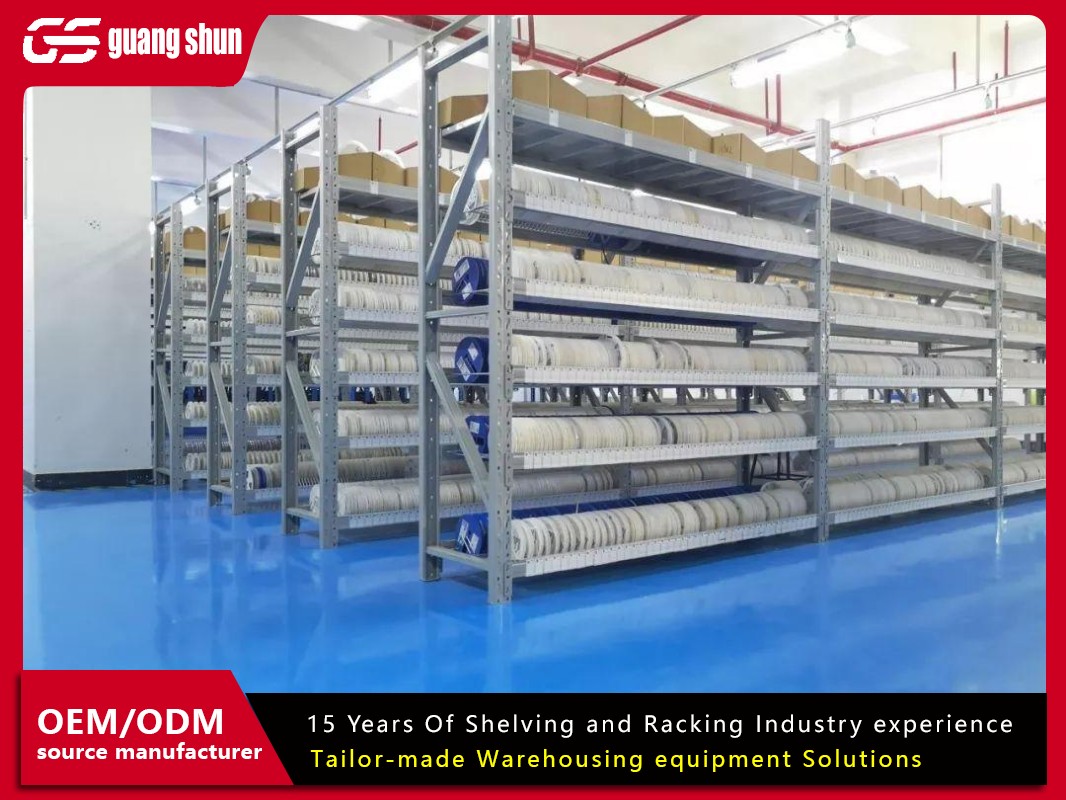
These systems are often known as "longspan" shelving in warehouses. They bridge the gap between standard shelving and massive pallet racking. They are perfect for hand-loaded goods that are too heavy for standard shelves but don't require a forklift.
Because heavy duty adjustable shelving is open, visibility is high. Warehouse managers can easily do stock checks. The open design also allows for better airflow and light penetration, making the workspace brighter and cleaner.
Understanding Material Options: Steel vs. Wire
When shopping for heavy duty adjustable shelving, you will encounter different decking options. The frame is almost always steel, but the surface you place items on varies.
Steel Decking: This is the strongest option. It is smooth, durable, and easy to clean. If you are storing oily parts or liquids, steel decking is the best choice because leaks won't soak in.
Wire Mesh: Wire decking promotes airflow and allows sprinkler water to pass through. This is often a requirement in strict fire-code areas. However, small items can fall through the gaps.
Particle Board: This is a cost-effective option often found in rivet shelving. It is strong but susceptible to moisture. If your heavy duty adjustable shelving is going into a damp basement, avoid raw particle board or seal it first.
Boltless Design vs. Bolted Assembly
Modern heavy duty adjustable shelving often features a boltless design. This is sometimes called "rivet shelving." It uses a keyhole system where rivets on the beams slide into slots on the uprights.
The benefit here is speed. You can assemble a large unit in ten minutes using only a rubber mallet. There are no tiny nuts and bolts to lose.
Bolted shelving still exists and is very rigid, but it takes much longer to assemble. For most users, boltless heavy duty adjustable shelving offers the perfect balance of strength and convenience. If you need to move the shelf later, disassembling a boltless unit is just as fast.
Safety and Stability Considerations
Just because it is "heavy duty" doesn't mean it is invincible. You must respect the weight limits. Every heavy duty adjustable shelving unit has a rated capacity. This is usually a "Uniform Distributed Load" (UDL).
UDL means the weight must be spread out evenly. Do not place a 500-pound anvil in the exact center of a shelf rated for 500 pounds. It might bow. Place it near the uprights or spread the weight.
Anchoring is another safety factor. Tall, narrow shelves can tip over. It is highly recommended to bolt your heavy duty adjustable shelving to the floor or wall, especially in earthquake-prone areas or active warehouses where bumps occur.
How to Measure Your Space Correctly
Before ordering heavy duty adjustable shelving, get your tape measure out. You need to measure width, depth, and height.
Height: Go as high as you can to maximize space, but leave room for ceiling sprinklers and lights. Also, consider reachability. Do you have a ladder?
Depth: This is where people make mistakes. Deep shelves (like 36 inches) sound great, but if you store small items, they get lost in the back. Shallow shelves (12 to 18 inches) are better for small parts. Deep shelves are for big boxes.
Width: Ensure the heavy duty adjustable shelving fits your wall. Leave a few inches of clearance for assembly. It is hard to hammer a beam into place if the unit is wedged tight between two walls.
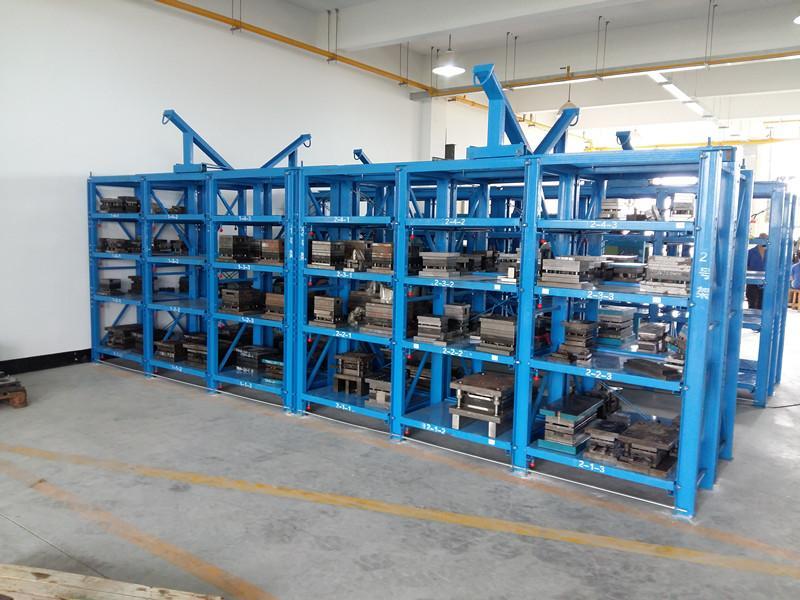
Customizing with Accessories
You can upgrade your heavy duty adjustable shelving to fit specific needs. Manufacturers offer bins, dividers, and label holders.
Plastic bins are excellent for loose parts like nuts and bolts. They sit neatly on the shelves. Dividers keep long items like pipes or conduit from rolling around.
Adding wheels is another popular modification. Some heavy duty adjustable shelving kits come with casters. This turns a static shelf into a mobile cart. However, be aware that adding wheels usually lowers the total weight capacity of the unit significantly.
Durability and Rust Prevention
Industrial shelving is an investment. You want it to last. Most quality heavy duty adjustable shelving comes with a powder-coated finish.
Powder coating is harder and more durable than standard paint. It resists chips and scratches. This is important because exposed steel rusts.
If you scratch your shelving, touch it up with paint. If you are using the shelving in a walk-in cooler, greenhouse, or outdoors, look for galvanized heavy duty adjustable shelving. Galvanized steel has a zinc coating that chemically prevents rust, even in wet conditions.
The Cost-Benefit Analysis
You might be tempted to buy cheap plastic shelving to save money. This is often a false economy. Plastic shelves sag over time. They become brittle in the cold. They crack under heavy loads.
Heavy duty adjustable shelving costs more upfront, but it lasts for decades. It retains its resale value. If you close your warehouse or move houses, you can sell these units.
Furthermore, the space saved by using a proper heavy duty adjustable shelving system saves money on rent. If you can fit 30% more inventory in your current room, you delay the need to rent a larger facility.
Organizing for Workflow
Having the shelf is step one. Organizing it is step two. Place your heaviest items on the bottom levels of the heavy duty adjustable shelving. This lowers the center of gravity and makes the unit more stable.
Place fast-moving items at waist height. This is the "golden zone" for ergonomics. Workers shouldn't have to bend down or reach up for items they need ten times a day.
Place light, rarely used items on the very top. Label every shelf. A heavy duty adjustable shelving unit is only efficient if you know what is on it.
Common Installation Mistakes
The most common mistake is setting the bottom shelf too high. The bottom shelf provides structural stability. It should be close to the floor (within 6 inches).
Another mistake is not leveling the unit. If your floor is uneven, the heavy duty adjustable shelving will twist. This puts stress on the rivets and reduces capacity. Use metal shims under the feet to ensure the uprights are vertical.
Finally, ensure the beams are fully seated. When assembling boltless heavy duty adjustable shelving, give the beam a solid whack with the mallet. If the rivet isn't at the bottom of the keyhole, the shelf is not locked.
Space is a valuable commodity. Whether you are running a business or running a household, efficient storage reduces stress and improves workflow. Heavy duty adjustable shelving offers the strength, flexibility, and durability required for real-world storage challenges.
It moves your items off the floor, protects them from damage, and utilizes the vertical space that is often wasted. By choosing the right material, size, and configuration, you can transform a chaotic room into a model of organization.
Invest in quality steel. Anchor your units. Organize thoughtfully. With heavy duty adjustable shelving, you are building a foundation for a more organized future.
Frequently Asked Questions (FAQ)
Q1: What is the weight limit for standard heavy duty adjustable shelving?
A1: The capacity depends on the specific model and manufacturer. Generally, a unit is considered "heavy duty" if it can support at least 300 to 500 pounds per shelf level. Industrial-grade heavy duty adjustable shelving can often hold up to 2,000 pounds per level. Always check the "Uniformly Distributed Load" (UDL) rating before purchasing.
Q2: Can I adjust the shelf heights after the unit is assembled?
A2: Yes, that is the main benefit of heavy duty adjustable shelving. Most systems allow you to unclip or unbolt the beams and move them up or down. Usually, the uprights have slots every 1.5 inches. You may need a rubber mallet to tap the beams loose if they have settled under weight.
Q3: Do I need special tools to assemble these shelves?
A3: For most modern boltless or rivet-style heavy duty adjustable shelving, the only tool you need is a heavy rubber mallet. You simply tap the beams into the upright slots. If you are buying a traditional bolted unit, you will need a wrench and a screwdriver. A tape measure is also helpful to ensure your shelf spacing is even.
Q4: Can heavy duty adjustable shelving be used outdoors?
A4: Standard powder-coated steel shelving is designed for indoor use. If exposed to rain and snow, it will eventually rust. For outdoor use or high-humidity areas, you should specifically look for galvanized heavy duty adjustable shelving, which has a protective zinc coating designed to withstand the elements.
Q5: Is it necessary to anchor the shelving to the floor or wall?
A5: While many heavy duty adjustable shelving units are freestanding, anchoring is highly recommended for safety. If you are storing heavy items high up, or if the unit is tall and narrow (shallow depth), it can tip over if bumped. Anchoring to a wall or bolting to the concrete floor adds significant stability and prevents accidents.