Every kitchen reaches a point where cabinets are overflowing, and counter space disappears. For home cooks with extensive equipment or bustling commercial kitchens, standard shelving simply won't hold up. They bend under the weight of cast iron pots, wobble with bulky small appliances, and become a frustrating liability.
This is where investing in proper heavy duty kitchen shelves becomes non-negotiable. It's about more than just storage; it's about creating a safe, organized, and highly functional workspace that can handle real weight and daily demands.
Whether you're outfitting a restaurant pantry, a home bakery, or just need to tame a collection of heavy cookware, this overview will help you understand the options, materials, and key features to look for.
Why Standard Shelving Fails in the Kitchen
Most off-the-shelf shelving units are designed for lightweight, decorative items. In a active kitchen, they face unique stresses that lead to failure.
Constant weight is the primary enemy. Collections of dinner plates, stacked pots, sacks of flour, or small appliances like stand mixers can easily exceed 50-100 pounds per shelf. Particleboard or thin metal will sag or buckle over time.
The environment itself is harsh. Fluctuations in heat and humidity from cooking, steam, and cleaning can warp wood and cause corrosion on poorly finished metals. Grease and moisture are constant factors.
Furthermore, activity level is high. Shelves are bumped, pots are dragged off, and items are frequently rearranged. This demands a sturdy, stable structure that won't shake or tip. Heavy duty kitchen storage is built to withstand this exact treatment.
Key Materials for True Heavy-Duty Performance
The material is the foundation of any heavy duty shelving unit. Here’s a breakdown of the most common and effective options for kitchen use.
Sturdy Steel Shelving
This is the gold standard for maximum weight capacity and industrial durability. Commercial-grade steel shelves, often with a zinc-plated or epoxy-coated finish, resist rust, corrosion, and stains.
These units typically feature a welded or bolt-together design with thick gauge steel posts and reinforced shelves. They can handle hundreds of pounds per level, making them ideal for storing crates, bulk ingredients, or large commercial equipment.
The open-wire design of many steel shelves promotes excellent air circulation, which is beneficial in pantries for produce or in areas where dampness can be an issue.
Reinforced Solid Wood Shelves
For a warmer aesthetic that still offers serious strength, look to hardwoods. Heavy duty wood shelves are not your typical pine boards.
Shelves made from hardwoods like maple, oak, or walnut, especially when constructed with proper joinery and thick dimensions (1.5 inches or more), are incredibly strong. The key is a robust support system, such as substantial brackets mounted directly into wall studs.
Proper sealing with a food-safe, moisture-resistant finish is crucial to protect against kitchen humidity and spills. This style is perfect for displaying durable cookware or storing dishes in a heavy-use home kitchen.
Industrial Pipe and Wood
This popular hybrid style combines the raw strength of iron pipe with the solid surface of wood shelves. The result is a highly customizable and extremely rugged system.
The plumbing pipe (usually black iron) acts as the vertical uprights and horizontal supports, creating a framework that can support immense weight. The wooden shelves, typically thick cut hardwood, rest securely within this metal frame.
The appeal lies in its adjustability and industrial charm. You can design a unit to fit an exact space, and the shelf height can be reconfigured as needs change. It’s a premier choice for a heavy duty kitchen rack with a distinctive look.
Critical Design Features to Evaluate
Beyond material, specific design elements determine whether a shelf is genuinely heavy duty or just claims to be.
Load Capacity and Support
Always look for a manufacturer’s rated weight capacity per shelf. True heavy-duty units will clearly state this. Support comes from the design: thicker shelves, closer vertical support spacing, and robust brackets or leg systems.
For wall-mounted heavy duty kitchen shelves, the bracket style is vital. Look for triangular gusset braces, long mounting plates with multiple screw holes, and brackets made from solid steel. The wall attachment—into studs with appropriate hardware—is just as important as the shelf itself.
Adjustability and Configuration
Fixed shelves can be a limitation. Quality heavy duty shelving units often offer adjustable shelf heights. This allows you to accommodate tall items like blenders or stock pots on one shelf and shorter items on another, maximizing vertical space.
Consider whether you need a freestanding unit, a wall-mounted system, or a combination. Freestanding units offer flexibility and don’t require wall mounting. Wall-mounted systems save floor space and can be installed over counters or in tight areas.
Surface and Safety
The shelf surface should be easy to clean and resistant to damage. Coated steel wire is excellent for airflow and wiping down. Solid wood should be properly sealed. Some units offer solid metal or laminate shelves for a completely smooth, cleanable surface.
Safety features include anti-tip devices for tall freestanding units, rounded edges to prevent injury, and secure fasteners that won’t vibrate loose. Stability is paramount when storing heavy, expensive items.
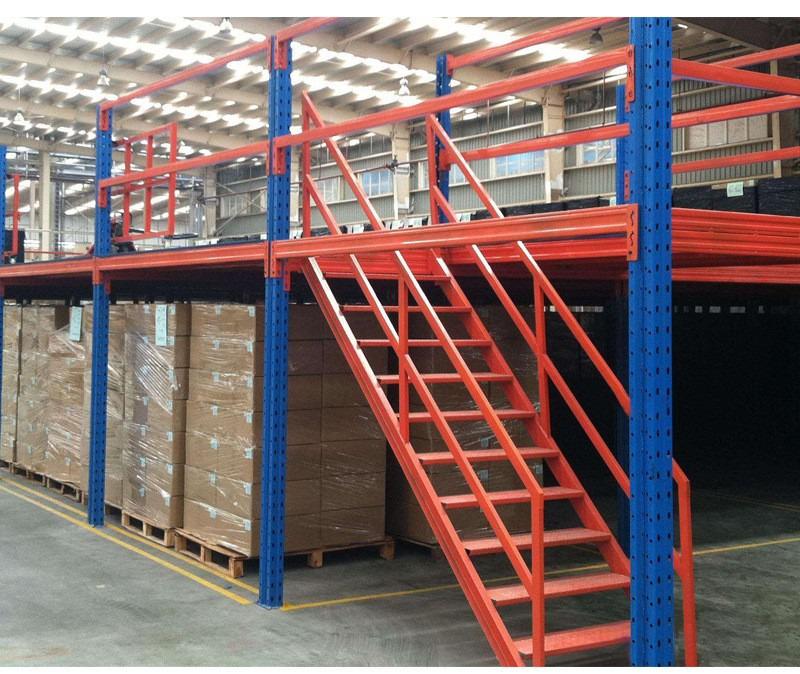
Ideal Applications for Heavy Duty Kitchen Shelves
These shelves aren't just for extremes; they solve common problems in various settings.
In Commercial Kitchens & Restaurant Pantries
Here, heavy duty kitchen shelves are essential infrastructure. They store cases of canned goods, bulk bags of dry ingredients, large mixing bowls, and specialty equipment. Durability, easy sanitation, and maximum weight capacity are the driving requirements. Steel shelving is most common.
For Serious Home Chefs and Large Families
A home enthusiast with a collection of enameled cast iron, small appliances, and bulk-buy staples needs residential-grade heavy duty kitchen storage. Reinforced wood shelves or smaller-gauge steel units can organize pots, pans, and serving dishes beautifully while withstanding daily use.
Pantry and Bulk Food Storage
A dedicated pantry for stocking up requires shelves that won't sag under the weight of multiple water bottles, cans, or home-preserved jars. Adjustable, deep heavy duty shelving units create an organized stockpile system.
Utility and Appliance Garages
Create a dedicated station for a stand mixer, food processor, air fryer, and other heavy countertop appliances. A sturdy shelf or trolley keeps them accessible but off the main counter, clearing crucial workspace.
Installation Tips for Lasting Stability
Proper installation is what makes a heavy duty kitchen rack safe and functional.
For wall-mounted systems, you must locate and anchor into wall studs. Using standard drywall anchors for heavy loads is a recipe for failure. Use long, thick screws or lag bolts designed for the shelf's weight rating.
Freestanding units should be placed on a level floor. If the floor is uneven, use adjustable levelling feet (if the unit has them) or shims to prevent rocking. Always distribute weight evenly, placing the heaviest items on the bottom shelves to maintain a low centre of gravity and prevent tipping.
Periodically check and tighten any bolts or connectors, as the natural vibrations of a busy kitchen can loosen them over time.
Frequently Asked Questions (FAQs)
Q1: What weight capacity should I look for in heavy duty kitchen shelves?
A1: For truly heavy duty kitchen shelves, look for a rated capacity of at least 100-150 pounds per shelf for home use. For commercial applications or storing extremely heavy items like commercial equipment or cast iron collections, seek capacities of 250 pounds per shelf or higher. Always check the manufacturer's specifications.
Q2: Can heavy duty shelves be mounted on drywall alone?
A2: Never mount weight-bearing, heavy duty kitchen shelves solely into drywall. Drywall anchors are insufficient for serious loads. The mounting brackets must be securely screwed directly into the wooden wall studs. The studs provide the necessary structural support to hold the weight safely.
Q3: What’s better for a kitchen pantry: wire shelves or solid shelves?
A3: It depends on your storage items. Heavy duty wire shelving offers excellent air circulation, is easy to clean, and lets you see items below. Solid heavy duty shelving units (wood, laminate, solid metal) provide a continuous surface for very small items and can feel more substantial. For bulk food storage, both work well; wire is often preferred for its airflow.
Q4: How do I prevent my heavy duty wood shelves from warping in the kitchen?
A4: Use shelves made from kiln-dried hardwood (like oak or maple) that are at least 1.5 inches thick. Apply a high-quality, moisture-resistant sealant on all sides and edges, including the bottom. Ensure they are supported by strong brackets placed no more than 24 inches apart, and avoid placing them directly above steam-producing appliances like dishwashers or kettles.
Q5: Are industrial pipe shelves truly strong enough for a kitchen?
A5: Yes, when properly constructed, industrial pipe shelving is one of the strongest options available. The black iron pipe is immensely sturdy, and when combined with thick hardwood planks and floor flanges securely attached to studs, the system can support several hundred pounds. It is a top-tier choice for a custom heavy duty kitchen rack.