If your warehouse or industrial storage area is filled with boxes, parts, and supplies that are too heavy for standard shelving, you have a problem. Flimsy shelves sag, become unsafe, and ultimately fail. This is where investing in proper heavy duty warehouse shelving becomes a critical business decision.
This type of shelving is the backbone of organized industrial storage. It’s designed to handle substantial weight, withstand tough environments, and provide reliable access to inventory for years. But with different types available, choosing the right system can be confusing.
This article breaks down what heavy duty warehouse shelving is, the main options, and key factors to consider for your operation.
What Defines Heavy Duty Warehouse Shelving?
Heavy duty warehouse shelving refers to storage systems engineered for significant loads, typically starting at around 500 lbs per shelf and going up to several thousand pounds per unit. It is constructed from thick, cold-rolled or structural steel, not lighter gauge materials.
The design prioritizes strength and durability over anything else. You’ll find reinforced posts, heavy-gauge beams or decks, and robust connections. These systems are built to support palletized loads, heavy machinery parts, bulky tools, and dense inventory without deflection or risk of collapse.
It’s the go-to solution for manufacturing plants, automotive workshops, wholesale distributors, and any environment where storage needs are demanding. Unlike lighter retail shelving, this is industrial shelving meant for real work.
Common Types of Heavy Duty Shelving Systems
Not all heavy duty shelving is the same. The right choice depends on your items, access needs, and layout.
Boltless Shelving (Clip Shelving)
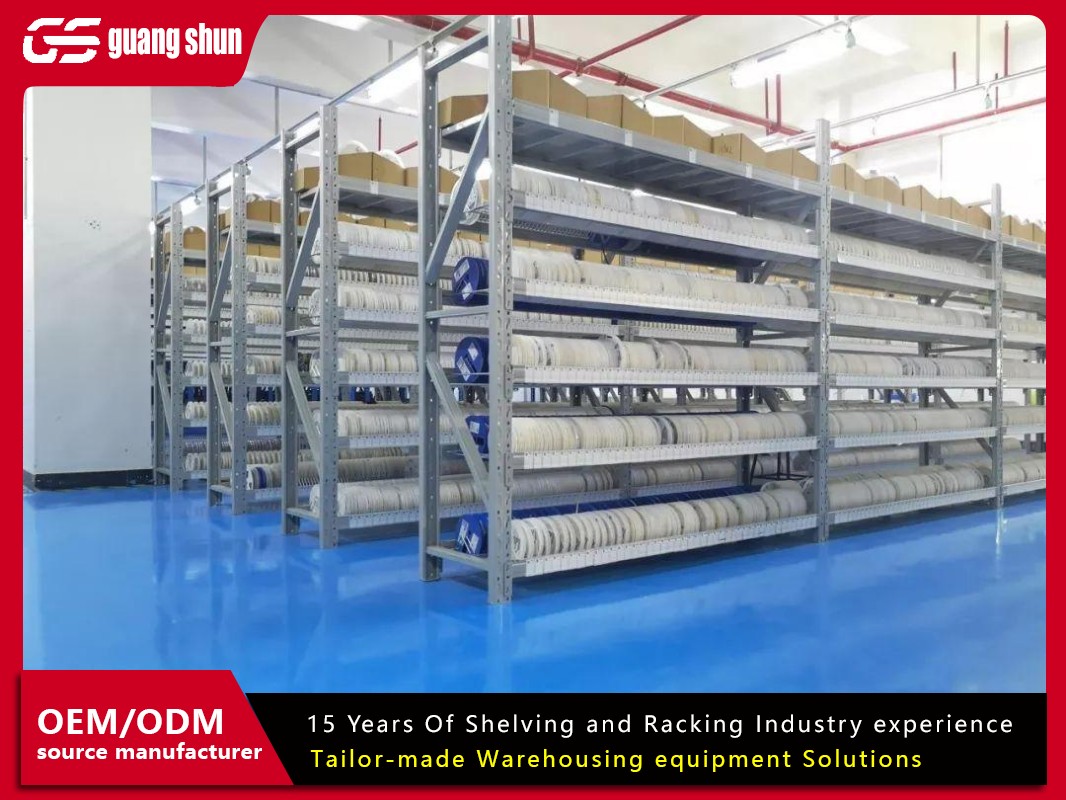
This is the most common and versatile type of industrial shelving. Beams with integrated clips snap into upright frames with precision-punched holes. No tools are required for assembly or adjustment.
It’s known for its flexibility and clean look. You can easily reconfigure shelf heights as inventory needs change. Boltless shelving is ideal for a wide range of boxed, palletized, or bulky items.
Structural Steel Shelving
This is the strongest type of heavy duty shelving. It uses hot-rolled structural C-channel or L-beam frames and braces, bolted together for maximum rigidity. The shelves are often heavy-gauge steel decks or particle board on structural supports.
It’s designed for extreme loads, often used for engine blocks, metal stock, or heavy drums. Structural shelving is less easily reconfigured than boltless but offers unparalleled strength for permanent, high-weight applications.
Cantilever Shelving
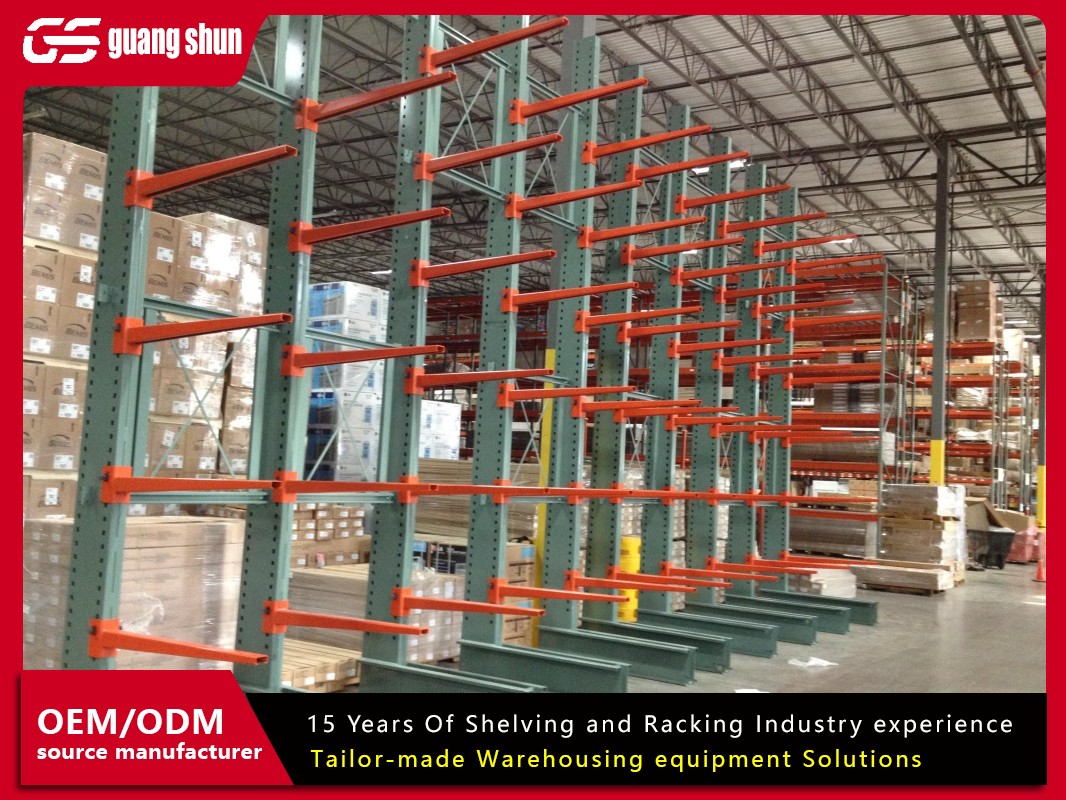
This system features a central vertical column with arms that extend outward to support long, bulky items. There are no front posts to obstruct access.
It is the perfect storage solution for lumber, piping, bar stock, furniture, or rolls of material. The open design allows items to be loaded and unloaded from the side with forklifts or by hand.
Wire Shelving
While sometimes lighter, heavy duty wire shelving uses thick-gauge wire welded into grids. It offers excellent visibility and airflow, which is crucial for cleanliness or drying.
In its strongest forms, it supports significant weight and is popular in food processing, pharmaceutical storage, and parts rooms where sanitation and dust control are priorities.
Pallet Racking vs. Heavy Duty Shelving
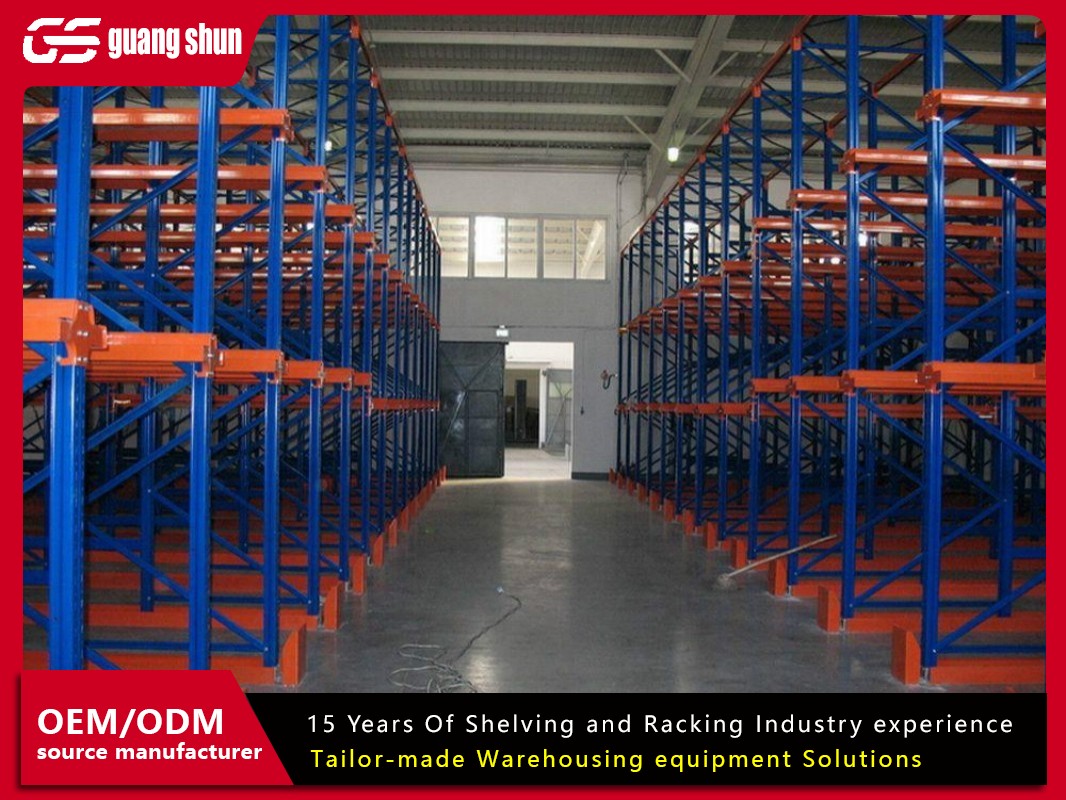
This is an important distinction. Pallet racking is designed specifically for storing unitized loads on pallets, often with forklift access. Heavy duty shelving is generally for smaller, individual items or boxes that may be accessed by hand or with smaller equipment. Some shelving can handle pallets, but racking is optimized for it.
Key Benefits of Investing in a Robust System
Choosing the right heavy duty shelving system delivers immediate and long-term advantages for your facility.
The primary benefit is superior strength and safety. Properly rated shelving eliminates the danger of collapse under load. This protects both your valuable inventory and, more importantly, your employees from workplace accidents.
You gain maximized storage density and organization. These systems allow you to store items vertically, using your warehouse’s cubic space efficiently. Organized shelves mean less time searching for items and fewer errors in order picking or kit assembly.
Durability and long-term value are major factors. A well-made steel shelving unit will last for decades with minimal maintenance. The initial investment pays off over time, avoiding the recurring cost of replacing cheaper, failing units.
Improved workflow and accessibility is another key outcome. With everything stored logically and accessed easily, your operations run smoother. Workers spend less time moving and searching, and more time on productive tasks.
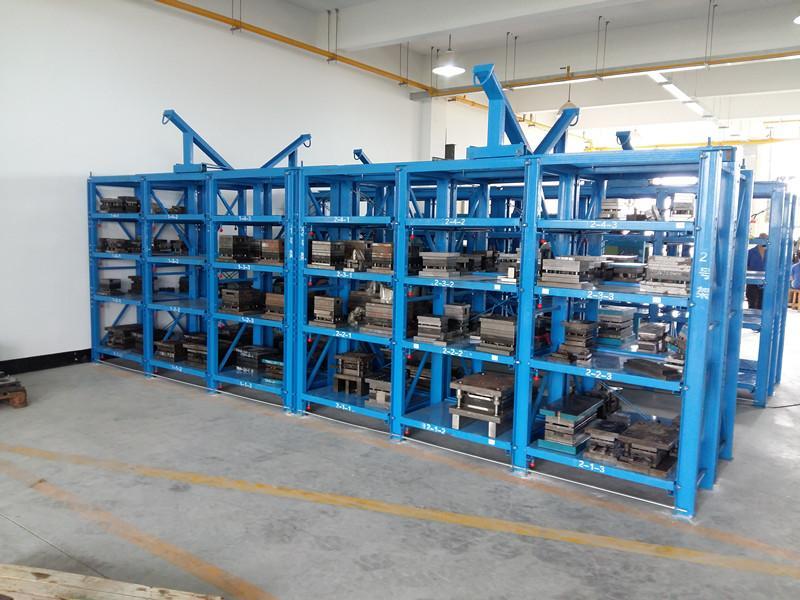
Critical Factors When Selecting Your Shelving
Making the right choice requires a practical assessment of your needs. Don't just guess the capacity you need.
Start with accurate load capacity calculations. Determine the total weight per shelf and the concentrated load (the heaviest single item or point load). Always choose shelving with a rated capacity exceeding your maximum expected load. A safety margin is non-negotiable.
Measure your items and space meticulously. Note the dimensions of your largest and most common items. Then, measure your available floor space and ceiling clear height. This will dictate the shelf depth, bay width, and how many tiers you can safely install.
Consider the material and environment. Standard epoxy powder-coat finishes are good for most warehouses. For cold storage, damp environments, or corrosive settings (like chemical storage), you may need galvanized or stainless steel shelving to prevent rust.
Think about access and layout. How will items be placed on and retrieved from the shelves? By hand, with ladders, or with material handling equipment like order pickers? This influences aisle width and whether you need closed or open shelving designs.
Installation and Safety Best Practices
Even the best heavy duty warehouse shelving can be dangerous if installed or used incorrectly.
Professional installation is highly recommended, especially for large systems or structural shelving. Installers ensure the assembly is plumb, level, and securely anchored to the floor where necessary. This is critical for stability, particularly for tall units.
Load distribution is key. Place the heaviest items on the lower shelves. Always distribute weight evenly across the shelf surface. Never place a massive point load in the center of a long shelf span, as this can cause bending or failure.
Adhere to the manufacturer's guidelines. Do not mix components from different manufacturers or systems. Never remove structural bracing or modify the shelving. Use shelf clips or locks as intended to prevent beams from being accidentally dislodged.
Implement regular inspections. Make it part of your routine to check for damage like bent beams or posts, loose connections, or signs of overload. Any damaged component should be replaced immediately.
Frequently Asked Questions (FAQs)
Q1: What is the typical weight capacity for heavy duty shelving?
A1: Capacities vary widely by type and model. Light industrial shelving may start at 500 lbs per shelf. True heavy duty warehouse shelving often ranges from 1,000 to 4,000 lbs per shelf. Structural systems can exceed 10,000 lbs per bay. Always verify the manufacturer's rated uniform and point-load capacities.
Q2: Can I assemble boltless shelving myself, or do I need a professional?
A2: For smaller units, competent in-house staff can often assemble boltless shelving by carefully following the manual. For large, multi-bay runs or very tall systems (over 15 feet), professional installation is strongly advised to ensure perfect alignment, stability, and safety.
Q3: How do I know if I need cantilever shelving versus standard boltless shelving?
A3: The choice is about the items you store. Use standard boltless shelving for boxes, bins, and items that fit within a rectangular bay. Choose cantilever shelving for long, bulky items like lumber, metal bars, or tubing where unobstructed side access is necessary.
Q4: Is it safe to place pallets directly on heavy duty shelving?
A4: Some heavy duty shelving systems are specifically rated for palletized loads. You must check the manufacturer's specifications. The shelf beams must be able to support the pallet's concentrated points of contact and the dynamic load of a forklift placing/removing it. Not all systems are designed for this.
Q5: How can I prevent dust accumulation on open wire shelving?
A5: While wire shelves promote airflow, they do allow dust through. For small parts, use bins with lids. For general storage, regular cleaning is the solution. If dust is a major contamination concern, consider solid steel deck shelving with sealed seams, which provides a physical barrier.