Every warehouse manager, shop foreman, or business owner reaches a point where flimsy storage becomes a liability. Shelves sag, stability is questionable, and the fear of a collapse is real. This is when the search for a true heavy duty shelving unit begins. It's not about finding a place to put a few boxes; it's about investing in the foundational structure that keeps your inventory safe, your operations efficient, and your employees protected.
This article cuts through the marketing terms to explain what makes a shelving unit genuinely "heavy duty," where to use it, and how to ensure you're buying a solution, not just another problem.
What Makes a Shelving Unit "Heavy Duty"?
The term gets used loosely, but a genuine heavy duty shelving unit is defined by its structural capacity and construction. It's engineered to bear significant, concentrated weight per shelf level without deflection or risk of failure.
Key differentiators include thick-gauge steel uprights (often 12-gauge or lower), reinforced beam-to-frame connections using bolts, rivets, or robust teardrop-style locks, and the use of solid decking materials like steel plate or structural-grade plywood. If a unit is advertised as "easy, tool-free assembly," it's likely not in this category. True strength comes from purpose-engineered, securely fastened connections.
Common Types of Heavy Duty Shelving Units
Not every heavy load is the same. The type of industrial shelving unit you need depends on what you're storing and how you access it.
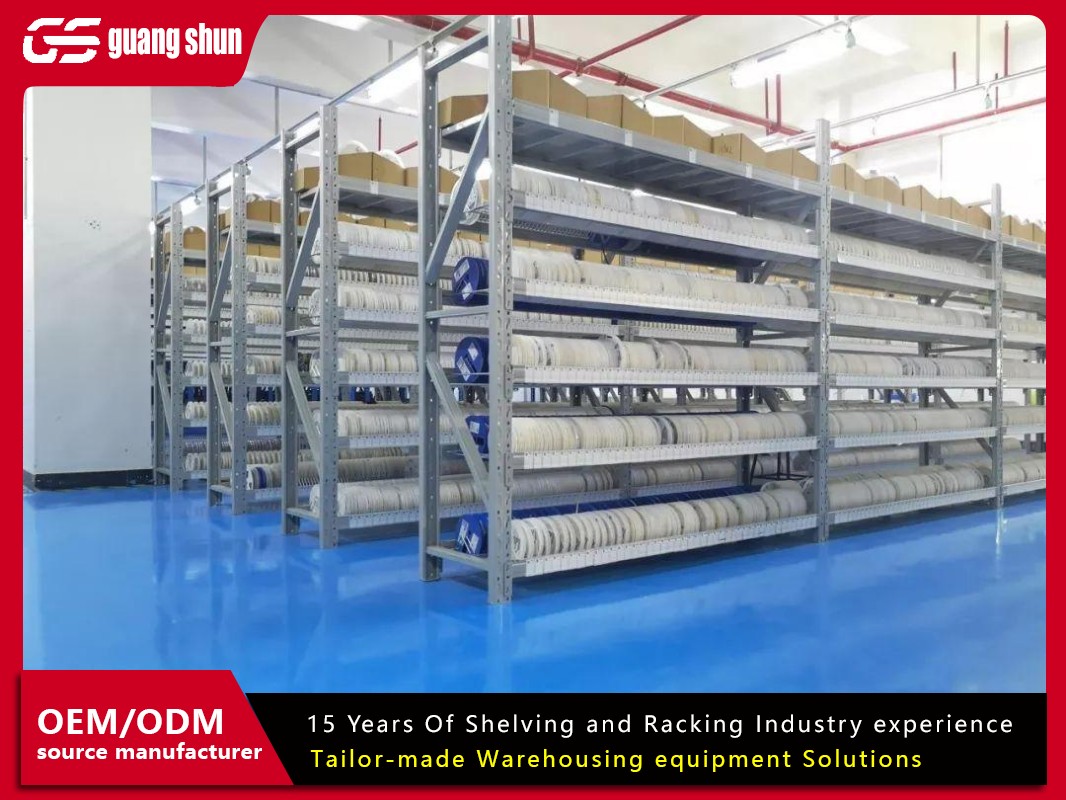
- Bolted or Riveted Shelving: This is the classic workhorse. Frames and beams are connected with bolts or rivets for a permanent, rigid structure. Shelves can hold thousands of pounds and are often decked with wire mesh or plywood. This is the go-to heavy duty shelving unit for tools, parts, and dense boxed inventory.
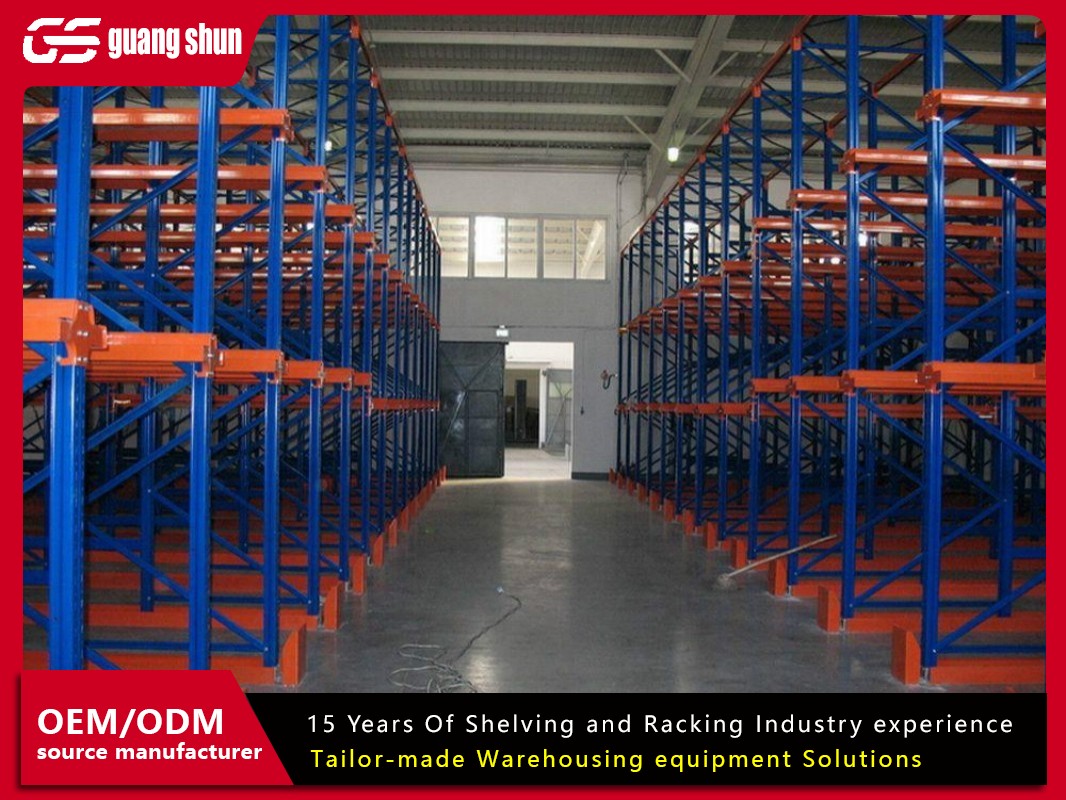
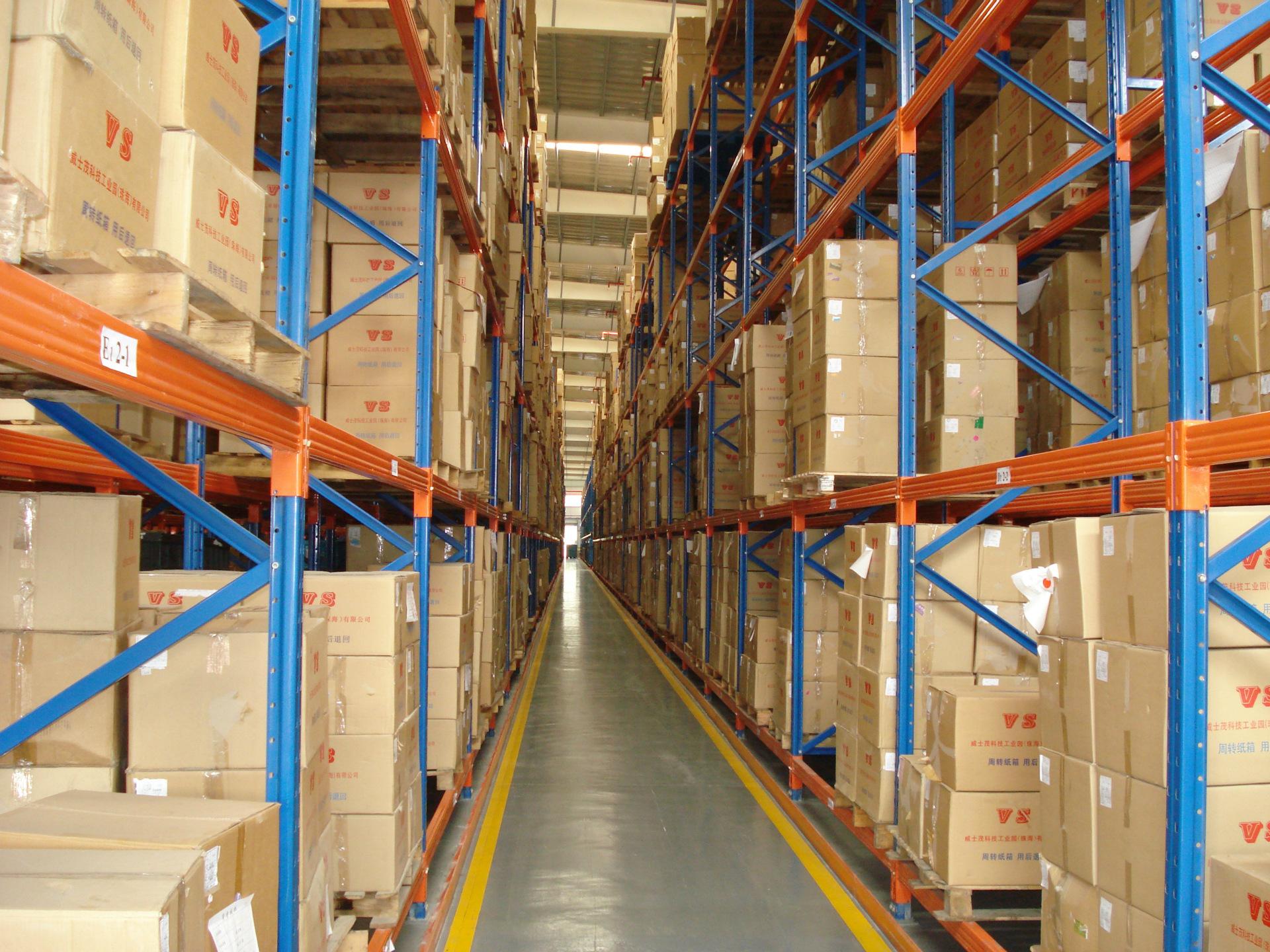
- Pallet Racking: While often called "racking," each bay is essentially a massive heavy duty storage unit designed for forklift access. Horizontal beams support unitized loads on pallets, making it ideal for bulk storage.
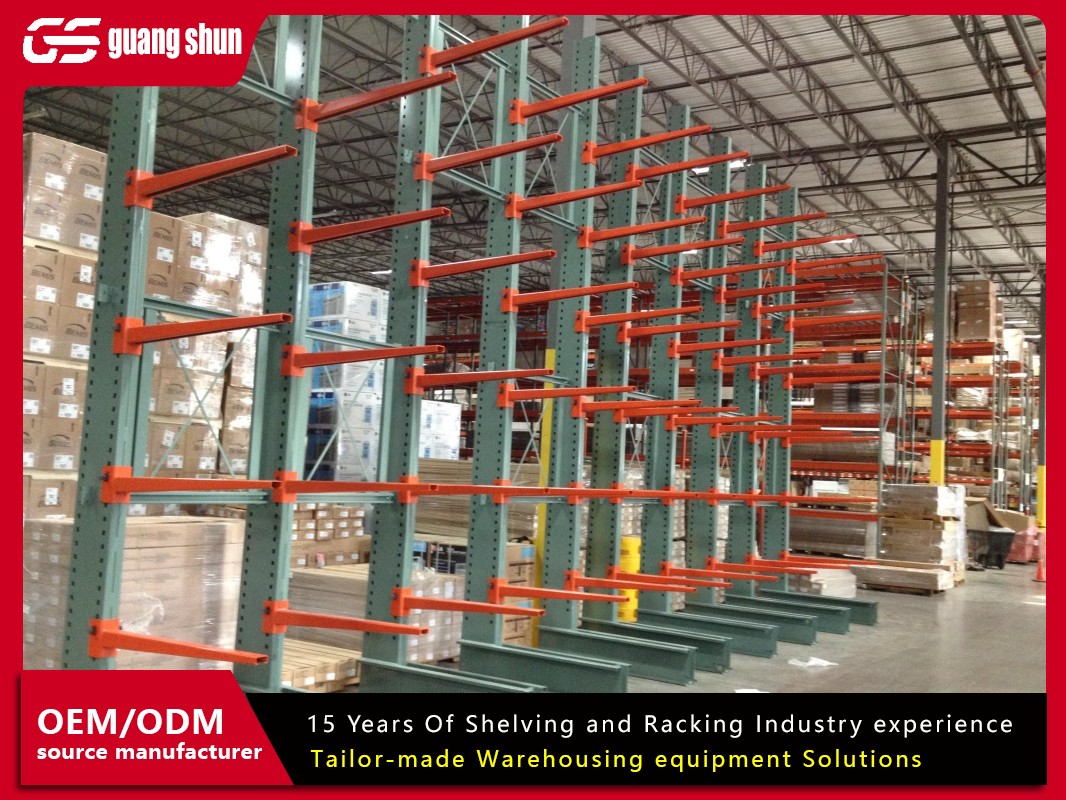
- Cantilever Racking: This specialized heavy duty shelving unit uses arms extending from a central column, perfect for long, cumbersome items like lumber, piping, or furniture. It provides complete front and side access.
- Mezzanines: For the ultimate in space expansion, a mezzanine is a heavy duty shelving unit on a grand scale. It creates a second or third level within your facility, with the shelving structure itself forming the supportive floor framework.
Primary Applications: Where These Units Are Non-Negotiable
A true heavy duty steel shelving unit isn't for retail stockrooms. It's for environments where failure is not an option.
- Warehousing & Distribution: Storing palletized goods, spare parts, and shipping materials.
- Manufacturing & Workshops: Holding raw materials, work-in-progress, heavy machinery parts, and tooling.
- Automotive & Aerospace: Organizing engines, transmissions, and large, dense components.
- Cold Storage & Freezer Facilities: Requiring galvanized or protected units that maintain integrity in harsh, humid conditions.
- Archival & Bulk Document Storage: Where the combined weight of paper or media boxes is immense.
A Step-by-Step Selection Guide
Choosing the right unit requires more than guessing. Follow this practical process.
- Calculate Your Actual Load. This is critical. Weigh a typical pallet or tote. Multiply by how many will be on one shelf. Always add a significant safety margin (e.g., 20-25%). The load capacity per shelf is the most important spec.
- Measure Your Space and Access. Note ceiling height, column obstructions, and door sizes. Determine aisle width based on your equipment—hand cart, pallet jack, or forklift.
- Select the Decking Material. Particle board is cost-effective for boxes. Wire mesh allows light and air circulation and is safer for fire codes. Solid steel plate is for the heaviest, point-loaded items.
- Consider Adjustability. Do your storage needs change? Look for units with beams that can be relocated easily to reconfigure shelf heights without disassembly.
- Plan for the Environment. Standard epoxy paint is fine for dry warehouses. For dampness or washdowns, specify a heavy duty shelving unit with a powder-coated or hot-dipped galvanized finish.
Breaking Down Cost and Value
The price of a heavy duty shelving unit is driven by its materials, capacity, and finish. A bolt-together unit with a 2,000 lb/shelf rating will cost more than a lighter-duty alternative, but vastly less than a pallet rack bay.
View this as a capital investment, not an expense. The real cost of a cheaper, inadequate unit includes potential product damage, workplace injury, operational downtime, and replacement within a few years.
Consider total project cost: the shelving units themselves, decking, freight, and installation. Some complex systems require professional installation, while many bolted units can be assembled by a competent in-house team.
Technical and Construction Insights
Quality is in the details. Examine the steel gauge of the uprights—a lower number means thicker steel (e.g., 12-gauge is thicker than 14-gauge). Look at the connection system. Bolt-through connections offer supreme rigidity.
The finish should be evenly applied, without thin spots or bubbles, to prevent rust. For decking, check the wire weld points on mesh or the thickness rating of particle board.
A reputable supplier will provide clear, third-party-rated load capacity charts, not just estimates. They should also offer engineering data for seismic zones if required.
Finding and Vetting a Supplier
Look for a supplier that specializes in industrial and commercial storage, not one that sells primarily to consumers. They should ask detailed questions about your application from the start.
A good partner offers layout services, helping you maximize your cube. They should provide clear quotes that itemize units, beams, decking, and accessories.
Ask about warranties on both materials and finish. Check if they have in-house engineers to answer technical questions. Finally, read independent reviews or ask for referrals from businesses with similar needs.
Installation and Long-Term Safety
Improper assembly is the weak link. Always follow the manufacturer's instructions meticulously. Use the correct tools, ideally a torque wrench for bolted units, to ensure connections are properly tightened.
The unit must be level and securely anchored to the floor, especially for taller configurations. Once installed, never exceed the stated load capacity. Distribute weight evenly across the shelf.
Implement a regular inspection routine. Look for signs of impact damage from equipment, corrosion, or any bent or distorted components. Train staff to report any issues immediately.
Frequently Asked Questions (FAQs)
Q1: How is a "heavy duty shelving unit" different from an "industrial shelving unit"?
A1: The terms overlap, but "heavy duty" specifically emphasizes the high weight-bearing capacity per individual shelf. "Industrial" describes the intended environment and build quality. All heavy duty units are industrial, but not all industrial units are rated for extreme heavy-duty loads.
Q2: Can I mix and match beams and uprights from different brands to save money?
A2: Absolutely not. A heavy duty shelving unit is an engineered system. Components from different manufacturers are not tested or designed to work together. Mixing brands voids warranties and creates a serious safety hazard due to potential fit and capacity mismatches.
Q3: My floor is uneven. Can I still install a heavy duty unit?
A3: It must be leveled for safety and integrity. Shim plates designed for this purpose can be used under the uprights to compensate for minor floor irregularities. For significant slopes or unevenness, consult with your supplier or an engineer first.
Q4: How do I safely dispose of or resell an old heavy duty shelving unit?
A4: To resell, market it honestly with its original load capacity specs and note any damage. For disposal, disassemble it carefully. The steel is highly recyclable. Contact a local scrap metal recycler; they will often pick it up.
Q5: What is the typical lead time for receiving heavy duty shelving after ordering?
A5: For standard configurations and finishes, lead times can range from 2-6 weeks, depending on manufacturer stock and order complexity. Custom powder-coated colors or special dimensions will take longer. Always confirm lead times with your supplier before finalizing plans