Every home, garage, workshop, and business has stuff that needs to be stored. But not all storage is created equal. Wobbly shelves and bent brackets are more than an annoyance; they are a safety hazard and a waste of money.
This is where strong shelving units come in. They are the silent, reliable workhorses that transform chaos into order. They hold your heaviest tools, your bulkiest bins, and your most prized possessions with unwavering confidence.
Finding truly durable shelving, however, requires knowing what to look for. This article breaks down the essential features, materials, and considerations for choosing heavy-duty shelving that won’t let you down.
What Makes a Shelving Unit Truly "Strong"?
The term "strong" can be vague. For shelving, strength is a combination of several engineering and material factors. It's not just about holding weight, but doing so safely and consistently over years.
A genuinely strong storage solution resists bending, sagging, and shaking. It maintains its integrity under maximum load. The strength comes from the synergy of its core components: the upright frames, the shelves themselves, and the connectors that hold it all together.
Ignoring these factors leads to premature failure. Understanding them is the key to a smart, long-term investment.
The Core Materials: Metal vs. Reinforced Polymer
The choice of material is the most significant determinant of a unit's ultimate strength and best use case.
Steel Shelving: The Gold Standard
Steel is the dominant material for industrial-strength shelving. Its high strength-to-weight ratio is unmatched for heavy loads.
- Cold-Rolled Steel: This is the top choice for heavy-duty shelving units. The cold-rolling process creates a denser, stronger, and more precise material. It often has a smoother finish and higher resistance to corrosion.
- Gauge Thickness: The lower the gauge number, the thicker and stronger the steel. Look for frames and shelves made from 12-gauge to 18-gauge steel for serious storage. Lighter-duty units may use 20-gauge or higher.
- Finish: A high-quality powder-coated or epoxy finish does more than look good. It prevents rust and corrosion, essential for garages, basements, or commercial environments.
Reinforced Polymer Shelving: Tough and Versatile
Modern engineered polymers have come a long way. High-quality resin shelving can be exceptionally strong and is ideal for specific environments.
- Moisture and Chemical Resistance: These durable shelves will not rust, corrode, or degrade in damp, humid, or wash-down areas. They are perfect for pantries, breweries, greenhouses, or storage near pool equipment.
- Strength Profile: The best units use ribbed designs and thick, glass-reinforced polymers to prevent flexing. They excel at handling evenly distributed, boxed, or binned loads rather than extreme point loads.
Key Engineering Features for Maximum Strength
Material alone isn't enough. The design and build quality are what turn good materials into a reliable shelving system.
Frame and Upright Design
The vertical frames bear the brunt of the load. Their design is critical.
- Beam-and-Post vs. Bolted: The classic industrial shelving design uses thick upright posts with beams that slot into them. This design often allows for adjustable shelf heights and incredible load capacity.
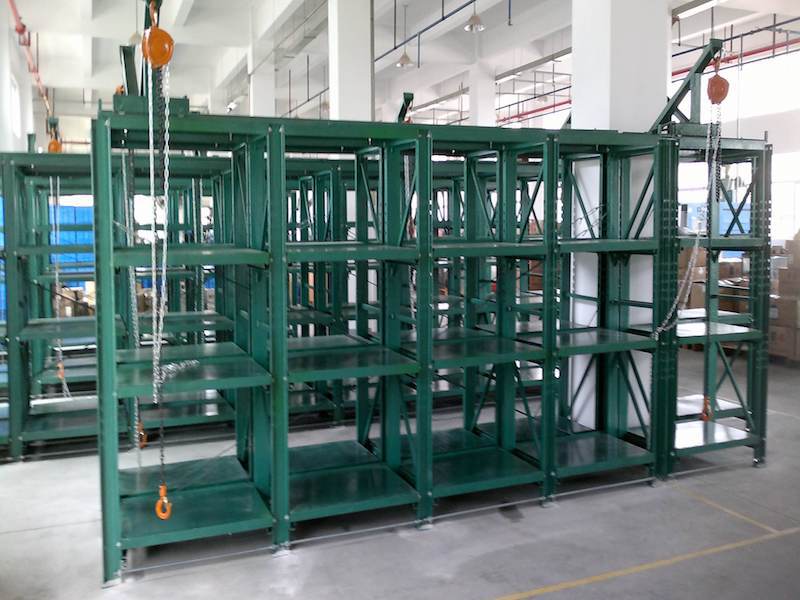
- Bracing: Diagonal or horizontal cross-braces between uprights are a hallmark of extra sturdy shelves. This bracing eliminates side-to-side sway, creating a rock-solid structure.
Shelf Deck Construction
The shelf is the platform that directly holds your items. How it's built prevents sagging.
- Wire Grid vs. Solid Deck: Wire grid shelves are great for ventilation and light weight. For maximum strength and support for small items, a solid steel deck or heavy-duty particle board is superior.
- Lip or Edge: A small rolled front lip on a steel shelf adds significant rigidity. It prevents the shelf from bowing forward under weight.
Load Capacity: Understanding Static vs. Dynamic
Always check the manufacturer's weight rating.
- Static Load Capacity: This is the total weight the entire unit can hold when fully assembled and stationary.
- Dynamic Load Capacity: This is the weight an individual shelf can hold. A true strong shelving unit will have a high dynamic rating per shelf (e.g., 500 lbs. per shelf) and a very high static rating for the whole unit.
- Safety Margin: Reputable manufacturers build in a safety margin, but never exceed the stated ratings. Distribute weight evenly and place the heaviest items on the bottom shelves.
Choosing the Right Strong Shelving for Your Space
With the fundamentals in mind, you can match the unit to your specific need.
For the Garage and Workshop
This environment demands the toughest shelves. You need garage shelving that can hold automotive parts, power tools, and heavy equipment.
- Recommendation: Look for heavy-duty steel shelving with a bolt-free, riveted or bolted construction. Adjustable shelving is key to accommodate items of various sizes. A corrosion-resistant finish is a must.
For Industrial and Commercial Use
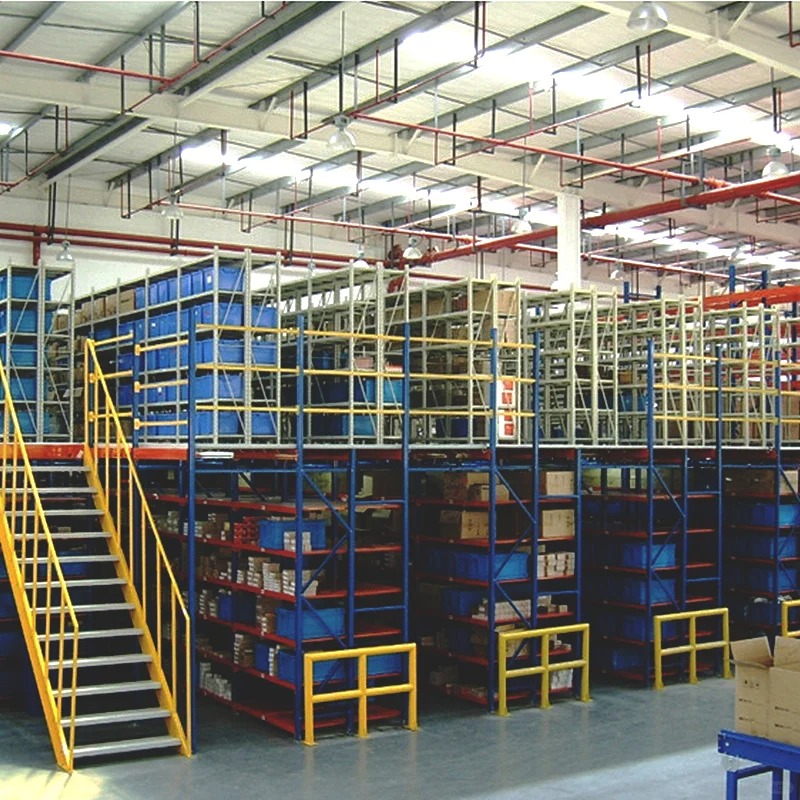
In a warehouse, stockroom, or workshop, efficiency and safety are paramount. Industrial shelving units are built for this.
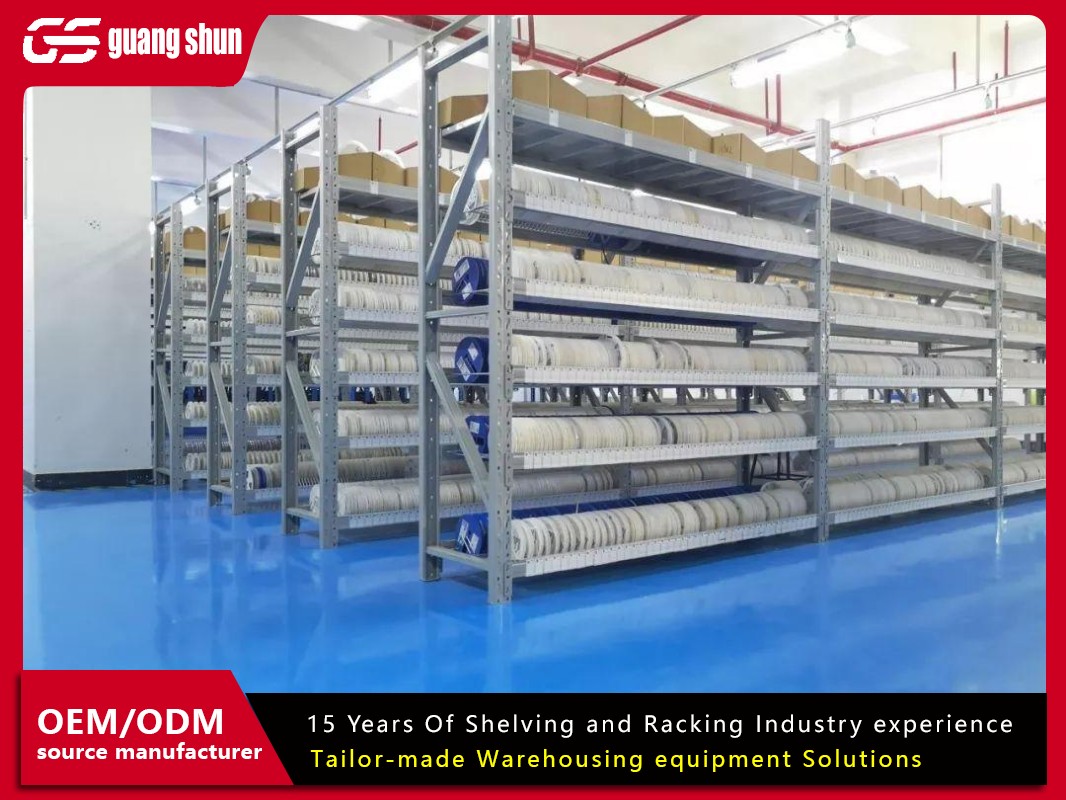
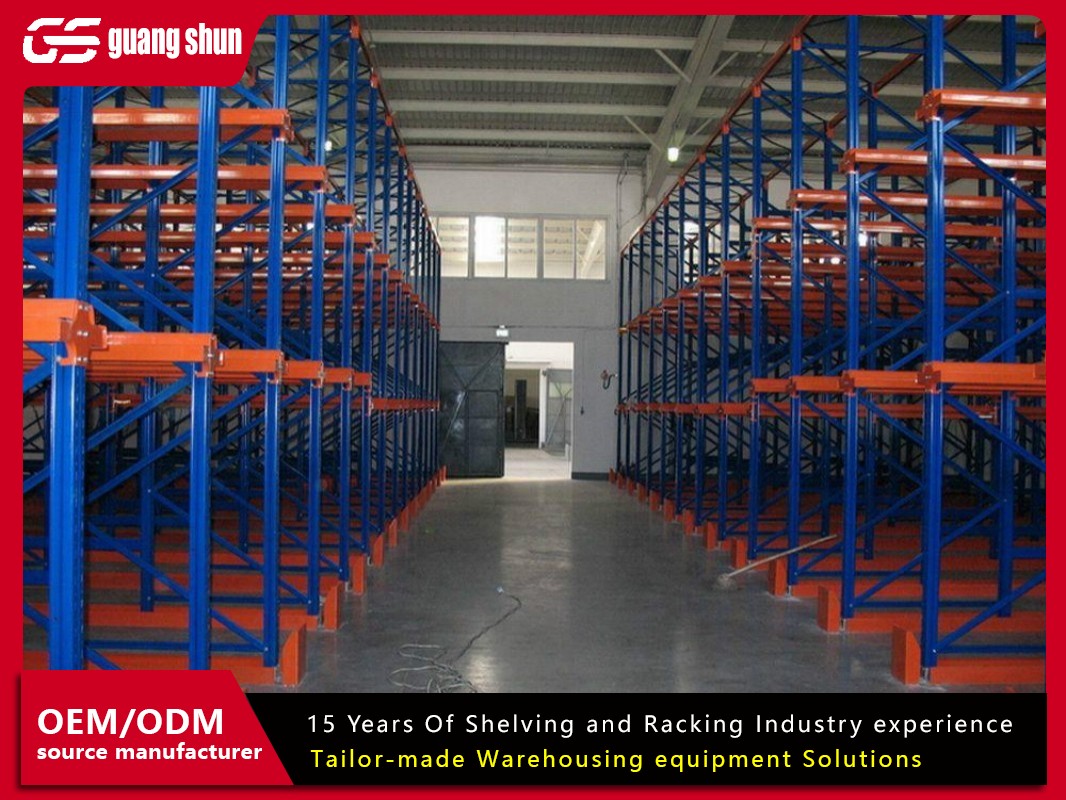
- Recommendation: Professional-grade boltless shelving or pallet racking. These systems prioritize speed of assembly, reconfigurability, and incredible load-bearing capacity, often in the thousands of pounds.
For Heavy-Duty Home Storage
From a packed pantry to a basement full of home-canned goods or holiday decorations, you need sturdy storage shelves.
- Recommendation: A mix of high-quality steel units for the basement/garage and reinforced polymer units for the pantry or laundry room. Look for clean designs and finishes that work in a home environment.
Assembly and Maintenance: Keeping Your Shelves Strong
A unit is only as strong as its assembly.
- Follow Instructions: Use all provided hardware. Do not skip steps.
- Level the Unit: Always assemble on a level floor and use a spirit level during assembly. An unlevel unit places uneven stress on the frame.
- Secure to the Wall: For any tall unit, especially those holding heavy items, anchoring it to wall studs is a non-negotiable safety step. It prevents tipping.
- Regular Checks: Periodically check for loose bolts or connectors. For steel shelves, touch up any chips in the finish to prevent rust.
A well-chosen, properly assembled strong shelving unit is a permanent solution to storage problems. It provides peace of mind, knowing that your belongings are secure, organized, and easily accessible for years to come.
Frequently Asked Questions (FAQ) About Strong Shelving Units
Q1: What is the most important factor to look for in strong shelving units?
A1: The single most important factor is the dynamic load capacity per shelf. This tells you how much weight each individual shelf can safely hold. Always choose a unit whose per-shelf rating exceeds your heaviest expected load, and remember to distribute weight evenly.
Q2: Are boltless shelving units as strong as bolted ones?
A2: High-quality boltless shelving units can be extremely strong. Their strength comes from thick-gauge steel and a clever interlocking design that distributes weight directly down the uprights. For many heavy-duty applications, they are equally strong and offer the advantage of much faster, tool-free assembly and reconfiguration.
Q3: How can I prevent my strong shelving units from tipping over?
A3: Always anchor freestanding units to the wall, especially those over 36 inches tall or used for heavy storage. Use the provided anti-tip brackets or furniture straps, and secure them directly into wall studs. Placing the heaviest items on the bottom shelves also lowers the center of gravity and increases stability.
Q4: What’s better for a damp basement: steel or plastic shelving?
A4: For chronically damp or flood-prone areas, reinforced polymer (plastic) shelving is often the better choice. It will not rust or corrode. If you prefer steel, you must seek out units with a high-quality, corrosion-resistant powder-coated or epoxy finish, and you should still avoid direct, prolonged water contact.
Q5: Can I mix and match shelf sizes or add to my unit later?
A5: This depends entirely on the system. Many industrial shelving units are designed to be modular, allowing you to add sections, height extensions, and different shelf depths. With other systems, especially certain boltless designs, you may be limited to the specific components sold for that model line. Always check the manufacturer's specifications for compatibility before purchasing add-ons.