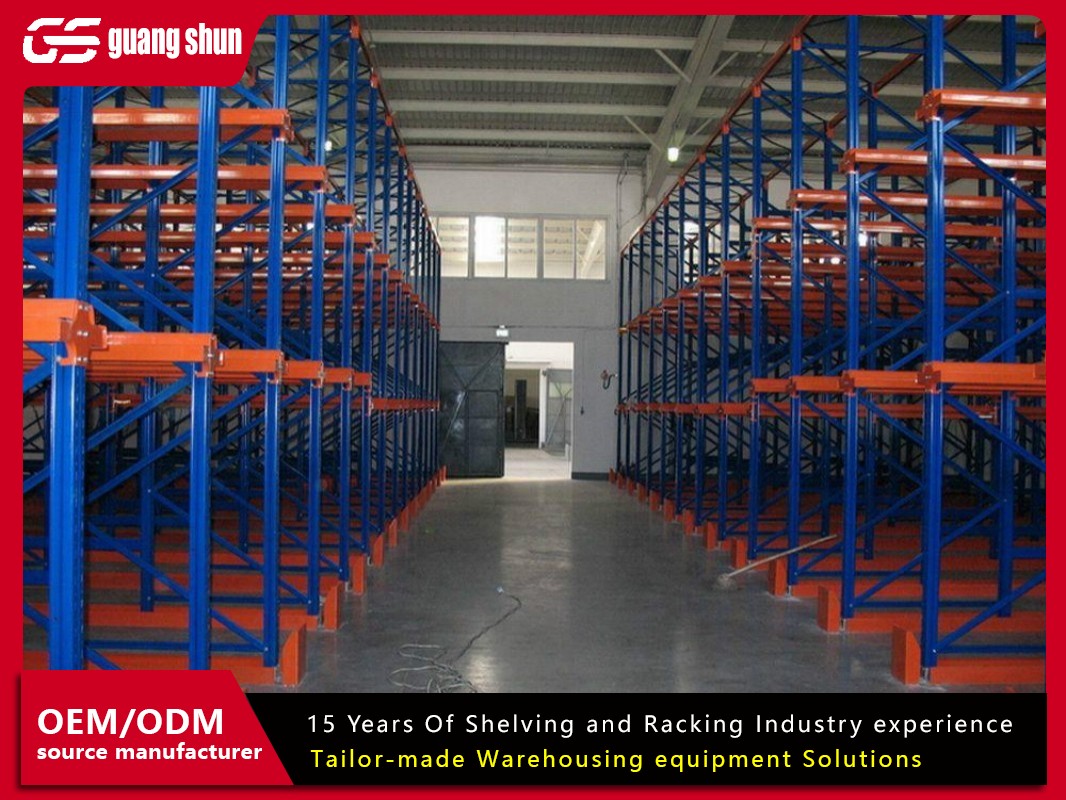
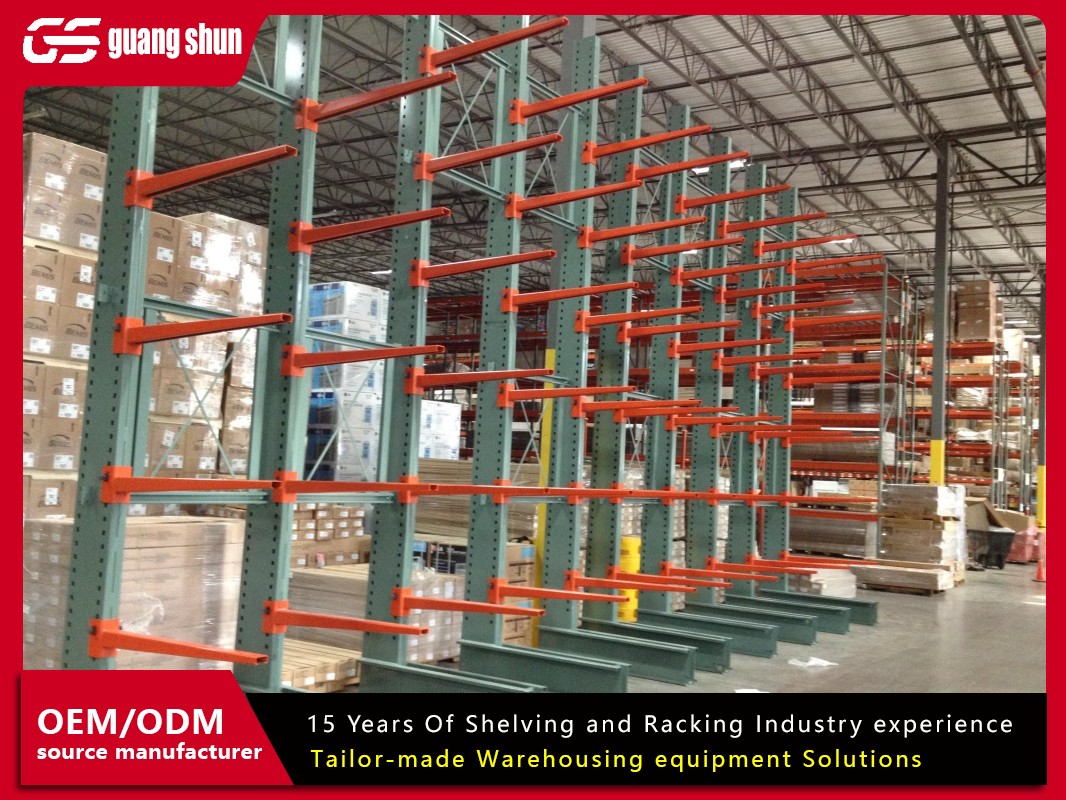
Every square foot of your floor space costs money. Whether you manage a sprawling distribution center, a busy automotive shop, or a cluttered home garage, the way you utilize vertical space defines your efficiency. Throwing items in a corner or using flimsy plastic racks is a recipe for disaster. The solution for professionals who value safety and organization is investing in high-quality heavy duty shelves.
These storage units are not just metal stands. They are engineered systems designed to hold massive weight loads without buckling. When you upgrade to heavy duty shelves, you stop worrying about structural failure and start focusing on inventory management. This article breaks down everything you need to know about selecting, installing, and maintaining these industrial assets.
Why Standard Shelving Fails
Most people start with standard residential shelving. These are often made of thin plastic or light-gauge aluminum. They look fine when empty. However, as soon as you load them with automotive parts, cans of paint, or dense boxes of documents, you see the problem. The decks bow, the legs splay, and the entire structure becomes unstable.
Heavy duty shelves are built differently. They utilize industrial-grade steel and reinforced beams. They are designed to handle static loads that would crush a standard unit. If you are storing items that weigh more than 50 pounds per box, standard options are simply unsafe. You need the structural integrity that only heavy duty shelves can provide.
Understanding Load Capacity
The most critical spec to look for when buying heavy duty shelves is the UDL, or Uniformly Distributed Load. This rating tells you how much weight a single shelf level can hold if the weight is spread out evenly.
True heavy duty shelves will offer capacities ranging from 500 pounds to over 2,000 pounds per level. It is vital to calculate your heaviest potential load before purchasing. Always overestimate. If you think you need to hold 400 pounds, buy heavy duty shelves rated for 800 pounds. This safety margin ensures the steel never approaches its breaking point.
The Versatility of Longspan Shelving
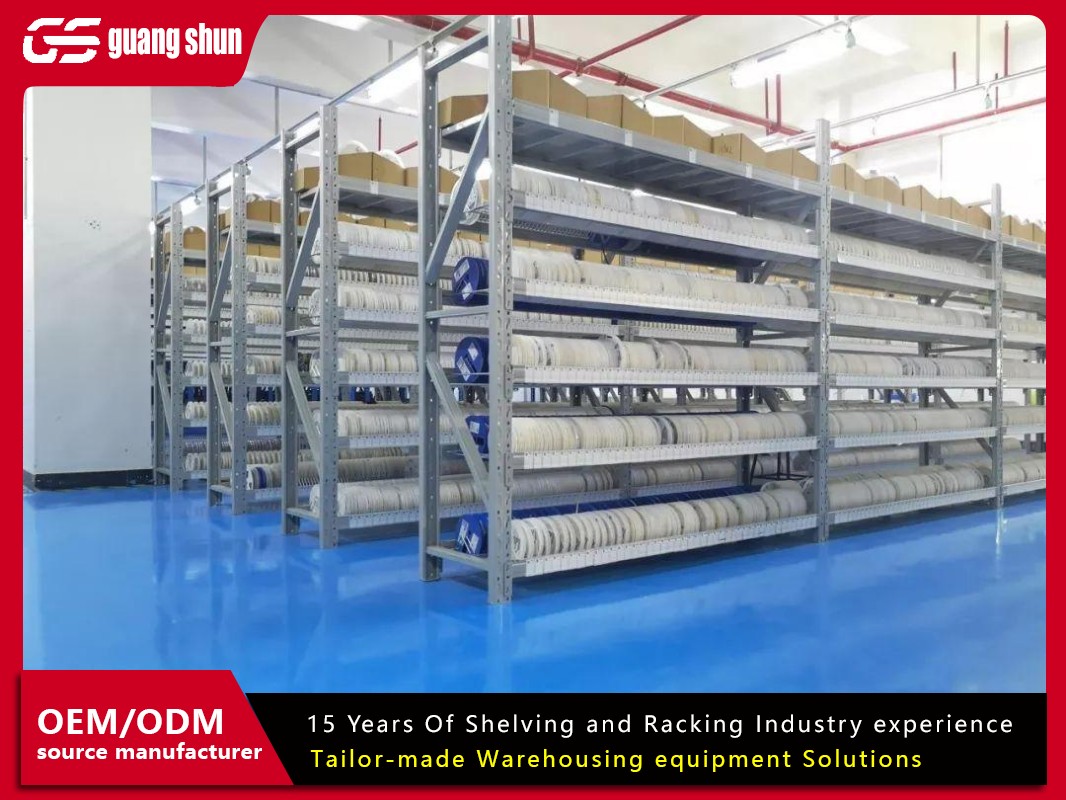
One of the most popular variations of heavy duty shelves is longspan shelving. Unlike pallet racking, which is designed for forklifts, longspan shelves are designed for hand-loaded goods. They span longer distances between uprights, giving you wide, uninterrupted storage space.
These heavy duty shelves are perfect for irregularly shaped items. You can store long pipes, oversized equipment cases, or wide bins without vertical posts getting in the way. Longspan systems are modular, meaning you can add bays as your storage needs grow, making them a flexible investment for expanding businesses.
Material Matters: Steel Construction
The core of any heavy duty shelves system is the steel. You should look for gauge thickness. The lower the gauge number, the thicker the steel. Industrial shelves often use 14-gauge or 16-gauge steel for the uprights and beams.
Finish is also important. Raw steel rusts. The best heavy duty shelves feature a powder-coated finish. This is a dry powder that is applied electrostatically and then cured under heat. It creates a hard skin that is much tougher than conventional paint. It resists chips, scratches, and corrosion, ensuring your shelves last for decades even in damp warehouses.
Decking Options: Wire Mesh vs. Particle Board
When selecting heavy duty shelves, you usually have a choice regarding the decking material. This is the surface the product actually sits on. The two main contenders are wire mesh and particle board (or timber).
Wire mesh is generally superior for industrial environments. It allows light to pass through to lower levels. More importantly, it allows water from fire sprinklers to reach the bottom shelves in an emergency. Many fire codes now require wire decking on heavy duty shelves. Particle board is cheaper and provides a smooth surface for small parts, but it can sag over time if exposed to humidity.
Boltless Rivet Shelving Explained
For many facility managers, assembly time is a major concern. You do not want to spend days turning wrenches. This is where boltless rivet heavy duty shelves shine. These systems use a clever design where rivets on the beams slide into keyhole slots on the upright posts.
You typically only need a rubber mallet to assemble them. Gravity and the weight of the load lock the rivets into place. The heavier the load, the tighter the joint becomes. Boltless heavy duty shelves are incredibly stable and can be reconfigured quickly if your inventory sizes change.
Organizing the Garage
While we often discuss warehouses, heavy duty shelves are the gold standard for residential garage organization. The average homeowner has tools, seasonal decorations, and sports equipment that are heavy and bulky.
Installing a bank of heavy duty shelves along a garage wall transforms the space. It gets items off the floor, protecting them from water damage and pests. Because these shelves are deep, usually 18 to 24 inches, they can accommodate large plastic totes easily. This cleans up the visual clutter and makes the garage usable for parking cars again.
Safety Anchoring
A tall set of heavy duty shelves can become a tipping hazard if not secured properly. This is especially true if you load heavy items on the top levels. It is standard safety practice to anchor these units.
Most industrial heavy duty shelves come with footplates that have holes for anchor bolts. You drill into the concrete floor and bolt the uprights down. If floor anchoring is not possible, you should tie the shelving units to the wall or to each other. Creating a "battery" of connected shelves significantly increases stability compared to a freestanding unit.
The Role in Retail Displays
Go into any large home improvement store or wholesale club. You will see products displayed directly on heavy duty shelves. In retail, these shelves serve a dual purpose: storage and display.
They must look clean enough for the sales floor but be strong enough to hold pallets of water or bags of cement. Retailers choose heavy duty shelves because they withstand the abuse of daily shopping carts and restocking activities. The industrial look has also become a design aesthetic in itself for many modern retail boutiques.
Impact Protection
Even the strongest heavy duty shelves can be damaged by machinery. If you use forklifts or pallet jacks near your shelving, you are at risk of collision. A bent leg can compromise the structural integrity of the entire bay.
To protect your investment, consider adding post protectors or column guards. These are steel shields that bolt to the floor in front of the heavy duty shelves uprights. They absorb the impact of a stray forklift fork, saving the shelf from collapsing.
Modular Expandability
Your business will not stay the same size forever. The equipment you buy should be able to grow with you. Modular heavy duty shelves allow for "adder" units.
An adder unit consists of one upright frame and the necessary beams. It shares the upright of the existing shelf. This saves money and floor space. You can create a continuous run of heavy duty shelves down the length of a warehouse wall. This connectivity also adds rigidity to the overall structure.
Second-Hand vs. New
Budget constraints often lead buyers to look for used equipment. Buying used heavy duty shelves can save money, but it comes with risks. You must inspect every beam and upright for damage.
Rust, bent cross-bracing, or modified connector clips are red flags. If a previous owner overloaded the shelves, the metal might be fatigued. For critical applications, buying new heavy duty shelves guarantees that the weight ratings are accurate and the manufacturer's warranty is valid.
Labeling and Inventory Flow
Once you have installed your heavy duty shelves, the next step is organization. High-density storage is useless if you cannot find anything.
Magnetic label holders work well on steel beams. You can move the labels as stock shifts. For deep heavy duty shelves, use plastic bins to keep small parts from getting lost at the back. Implementing a clear labeling system ensures that your staff puts heavy items at waist height (the "golden zone") for ergonomic safety.
Preventing Overloading
The most common cause of shelving failure is user error. Employees often assume that because they are heavy duty shelves, they are indestructible. This is false. Every beam has a limit.
Management must post load capacity plaques at the end of every aisle. Train your staff to recognize signs of deflection (sagging). If a beam on your heavy duty shelves is bowing significantly, it is overloaded. Unload it immediately and inspect for permanent deformation.
Maintenance and Inspections
You should treat your storage systems like any other machinery. They require maintenance. Schedule a semi-annual inspection of all heavy duty shelves.
Check for missing safety clips. These small pins prevent the beams from being knocked off the uprights if a worker bumps them from below. Check that floor anchors are tight. Wipe down the surfaces to prevent grime buildup. Well-maintained heavy duty shelves can last for twenty years or more.
High-Density Mobile Systems
For spaces where footprint is extremely limited, mobile heavy duty shelves are an option. These units sit on tracks installed in the floor. You turn a mechanical handle to move the entire row of shelves, opening up an aisle only where you need it.
While more expensive, this reduces the number of fixed aisles required. You can fit nearly double the amount of inventory in the same room. These systems use the same robust steel construction as static heavy duty shelves, ensuring they can still handle heavy loads.
Cost vs. Value Proposition
The initial price tag of industrial shelving can be a shock compared to hardware store prices. However, the cost of replacing cheap shelves every two years adds up.
When you buy heavy duty shelves, you are buying a long-term asset. You are also buying safety. The cost of a workplace injury caused by a collapsing shelf is far higher than the price of proper equipment. Viewed through this lens, heavy duty shelves offer exceptional value for money.
Organization is the foundation of productivity. You cannot run a smooth operation if your inventory is piled on the floor or precariously balanced on weak racks. Heavy duty shelves provide the strength, security, and versatility required in modern industry.
From the garage mechanic to the logistics director, the need for reliable storage is universal. By choosing the right capacity, proper decking, and ensuring correct installation, your heavy duty shelves will serve as the silent backbone of your daily operations. Invest in steel, respect the weight limits, and your storage problems will disappear.
Frequently Asked Questions (FAQ)
Q1: How do I calculate the weight capacity I need for my heavy duty shelves?
A1: To determine the necessary capacity, weigh the heaviest item you plan to store and multiply it by the number of those items that will fit on a single shelf level. Always add a 20-25% safety margin. If you plan to store 500 lbs of gear, look for heavy duty shelves rated for at least 600-700 lbs per level to ensure structural integrity and safety.
Q2: Can I install heavy duty shelves by myself, or do I need a professional crew?
A2: Most boltless or rivet-style heavy duty shelves are designed for easy assembly and can be built by two people using just a rubber mallet. However, for large pallet racking systems or shelves taller than 8 feet, professional installation is recommended to ensure the units are properly plumb, leveled, and anchored to the concrete floor.
Q3: What is the difference between a starter unit and an adder unit?
A3: A starter unit is a standalone set of heavy duty shelves that includes two upright frames and beams. An adder unit (or add-on unit) only includes one upright frame and beams. The adder unit attaches to the upright of the starter unit, allowing you to create a continuous row of shelving while saving money on components.
Q4: Do I really need to bolt my heavy duty shelves to the floor?
A4: For industrial applications, yes. Anchoring heavy duty shelves prevents them from tipping over during an earthquake or if they are accidentally struck by loading equipment. Even for garage use, if the shelving is tall (over 6 feet) or narrow (less than 18 inches deep), anchoring it to the wall or floor is highly recommended for safety.
Q5: Can I mix different brands of heavy duty shelves?
A5: generally, no. While many heavy duty shelves look similar, the slot designs on the uprights (teardrop, keyhole, slot) often vary slightly between manufacturers. Beams from one brand will rarely fit safely into the uprights of another. It is best to stick to one manufacturer or system to ensure compatibility and maintain weight ratings.