That moment hits every garage, warehouse, and workshop owner. You stare at the growing pile of equipment, parts, and supplies on the floor and realize your flimsy, sagging shelving unit has met its match. It's no longer about storing light boxes; you need a solution for engine blocks, industrial tools, pallets of material, or heavy archives. This is the precise point where you start searching for real heavy duty shelves for storage.
Choosing the wrong system isn't just an inconvenience—it's a safety hazard and a waste of money. This guide cuts through the confusion. We’ll break down what makes shelving "heavy duty," explore the main types, and highlight the critical factors that matter for your specific load. By the end, you'll know exactly what to look for to get a sturdy, safe, and long-lasting storage solution.
What Qualifies as "Heavy Duty" Shelving?
The term "heavy duty" gets used loosely. For storage shelving, it's not just marketing—it's a matter of engineering and capacity. While standard retail shelving might hold 50-100 pounds per shelf, heavy duty storage shelves are in a different league.
True heavy duty industrial shelving is defined by its load capacity, construction, and intended use. We're typically talking about systems rated to hold at least 1,000 pounds per shelf or more, with many professional-grade units supporting several thousand pounds per level.
The key is in the materials and design. These shelves use thicker gauge steel (often 12-gauge or lower—the lower the number, the thicker the steel), reinforced upright frames, and robust beam-to-post connections. They are built to handle the static weight of dense items and the dynamic impact of loading and unloading, day after day. If you're storing anything from automotive parts and machinery to bulk food supplies or commercial inventory, you're in heavy duty shelving territory.
The Main Types of Heavy Duty Storage Shelving
Not all heavy duty shelves for storage are the same. The best choice depends entirely on what you're storing and how you need to access it.
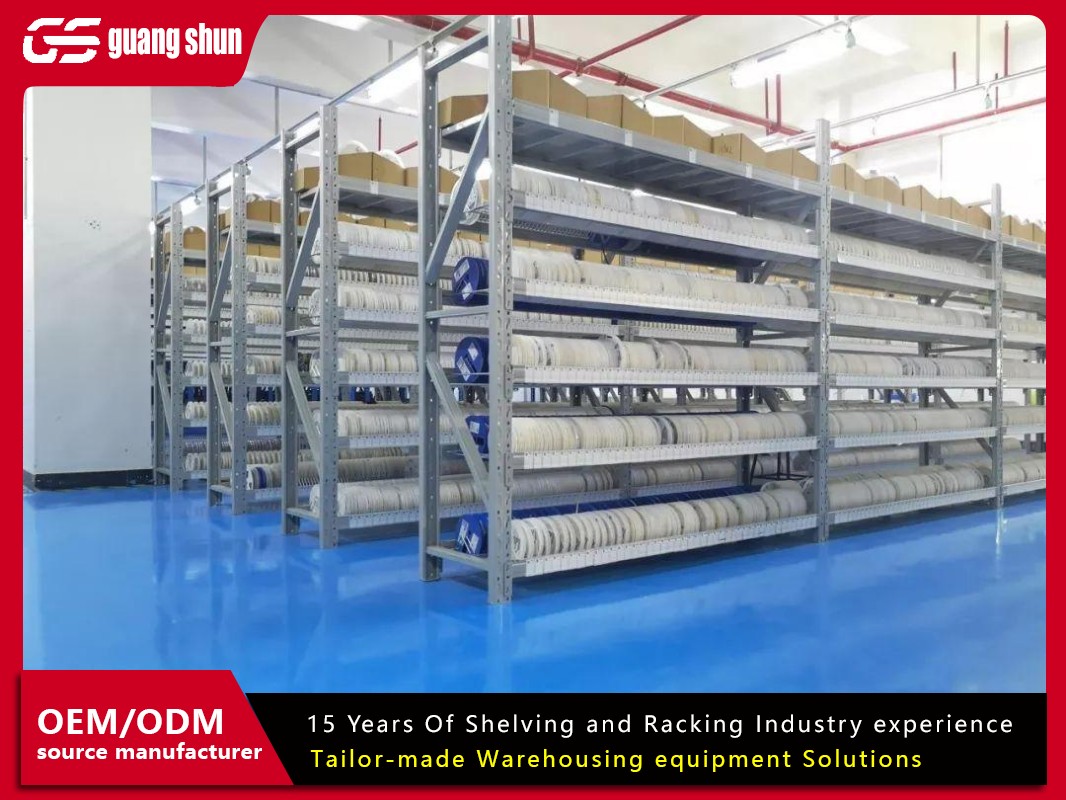
Boltless or Rivet Shelving (Industrial Grade)
This is the most common type you'll find for general warehouse use. The shelves assemble without bolts or welding, using rivets or clips that lock into the upright posts. Don't let the "boltless" name fool you—high-quality versions are extremely strong. They offer excellent adjustability and are relatively easy to reconfigure. These are the workhorses for boxes, bins, and medium-weight industrial items.
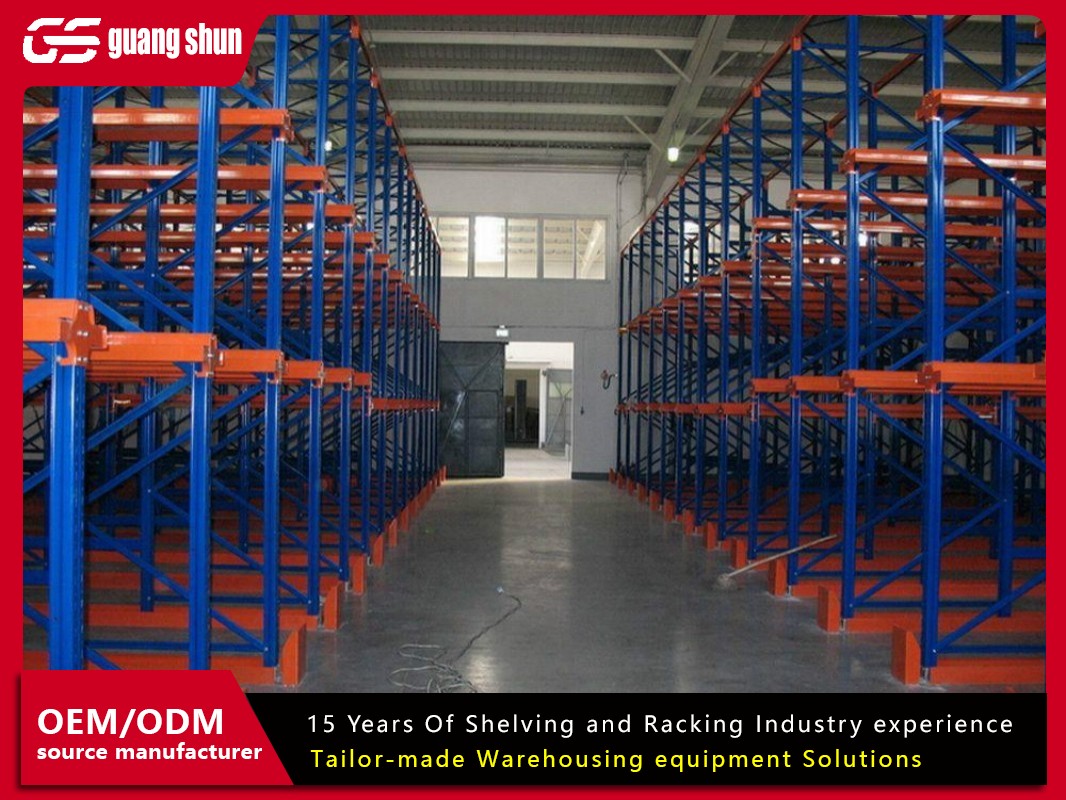
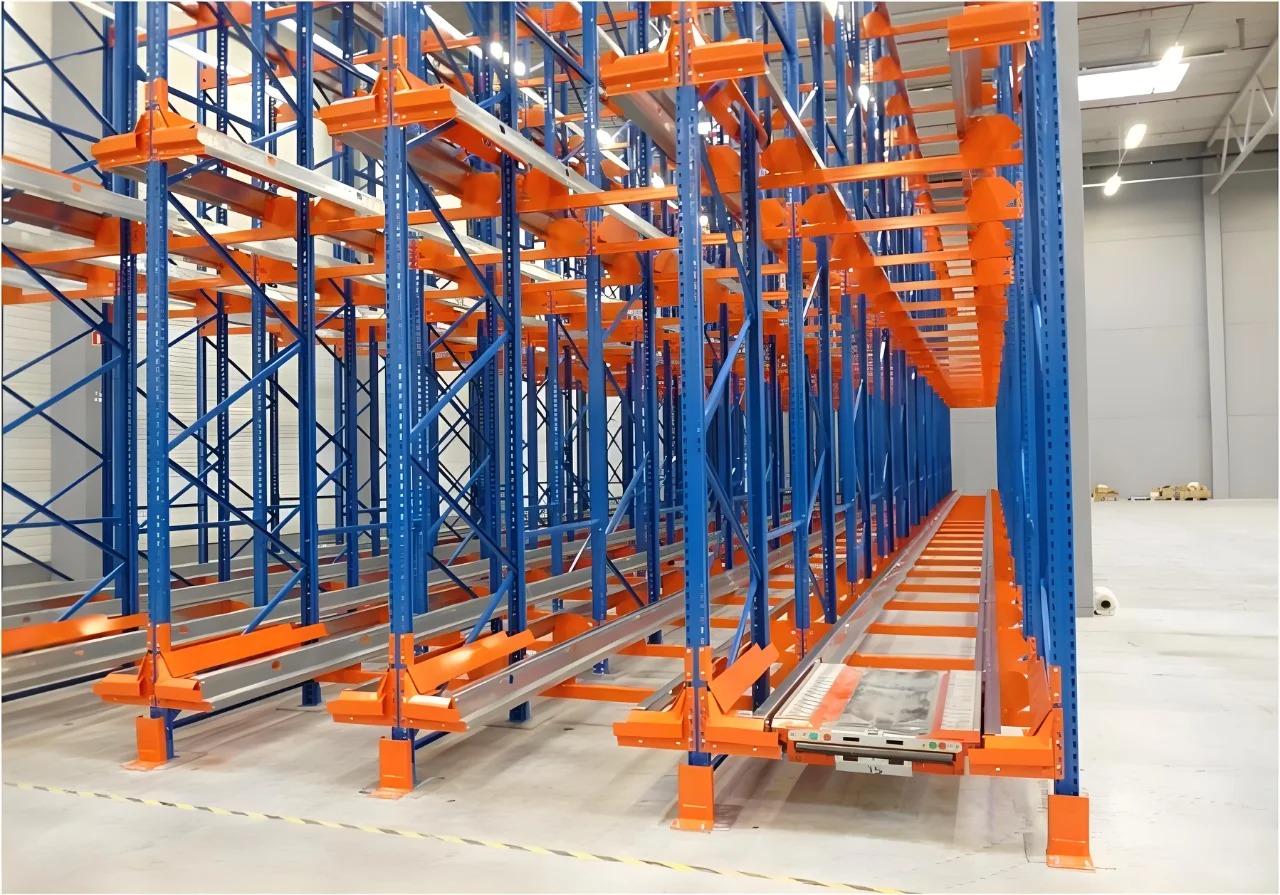
Structural Pallet Racking
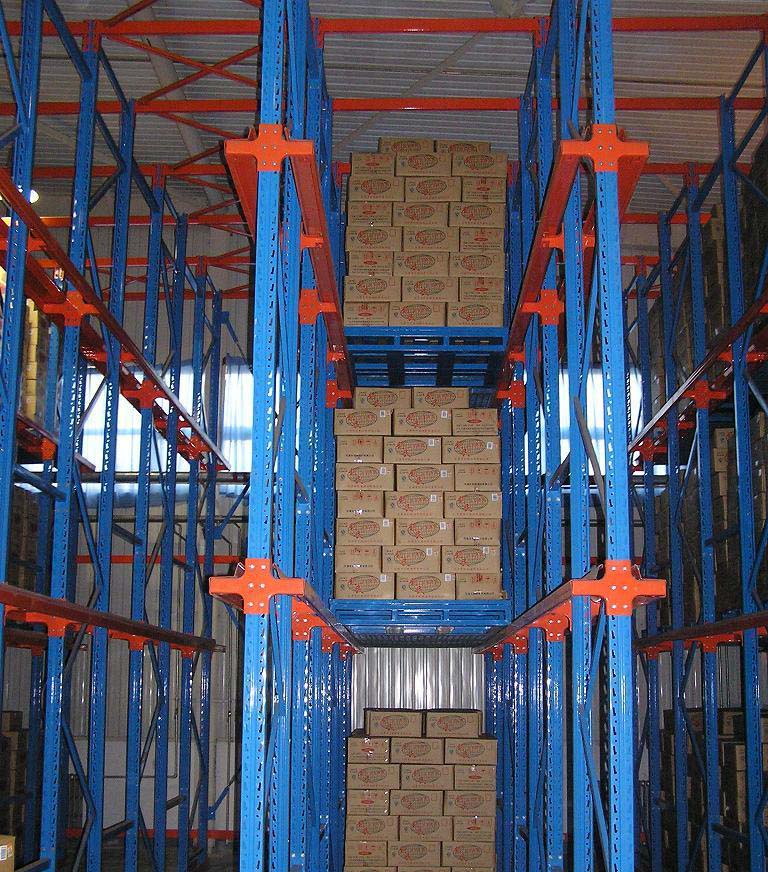
When you need to store full pallets, this is the go-to system. It consists of upright frames and horizontal load beams that create opening for forklift access. This is a premier example of heavy duty storage shelves designed for unit loads, often with capacities exceeding 10,000 pounds per bay. It’s the backbone of most warehouses.
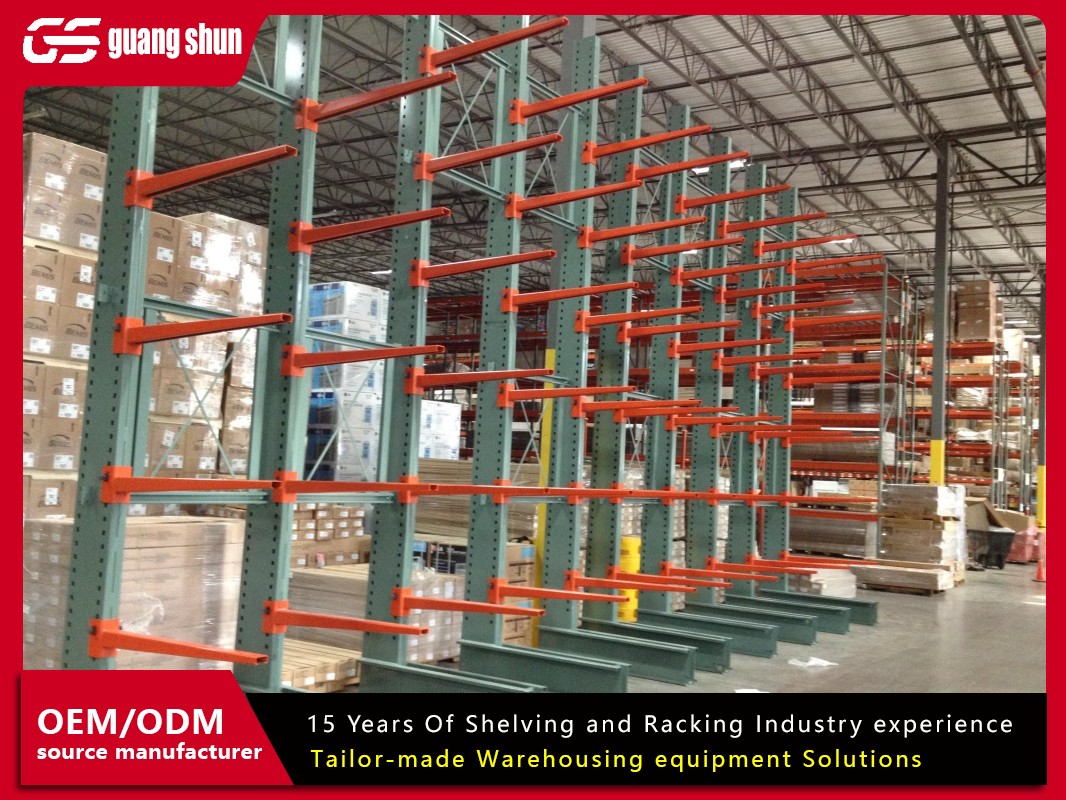
Cantilever Shelving
This system features a central vertical column with arms that extend outwards, creating open shelves without front posts. It's the ideal choice for heavy duty storage of long, bulky items like lumber, piping, trim, or furniture. The lack of front obstructions makes loading and unloading awkward lengths much easier.
Wire Shelving (Heavy-Duty Grade)
Common in commercial kitchens and cleanrooms, heavy-duty wire shelving offers excellent ventilation and visibility. The industrial versions use thick, welded wire grids on a sturdy steel frame. They are easy to clean and perfect for environments where spillage or sanitation is a concern.
Closed-Back or Security Shelving
For tools, valuable parts, or sensitive items, heavy duty shelves can come with solid steel backs and sides, often incorporating locking doors. This adds security and contains small items, turning open shelving into a secure storage cabinet.
Why Invest in Proper Heavy Duty Shelves?
Settling for under-spec shelving is a false economy. The right heavy duty storage shelves deliver clear, tangible benefits that impact safety, efficiency, and your bottom line.
Safety First and Foremost
This is the most critical reason. Overloaded, weak shelves can collapse catastrophically, causing severe injury and damage. Properly rated heavy duty industrial shelving is engineered with a significant safety factor. It provides peace of mind, knowing your inventory and your team are protected from a major hazard.
Maximized Vertical Space and Organization
Heavy duty units are built to be tall and stable. They let you safely use your full wall height, getting clutter off the floor and creating a more organized, professional workspace. This vertical storage approach effectively increases your square footage without expanding your building.
Durability and Long-Term Value
A well-made heavy duty shelving system is a capital investment, not a consumable. It won't rust, warp, or sag under load. It will last for decades, outperforming and outliving multiple cheaper units. The cost-per-year of ownership becomes very reasonable.
Improved Workflow and Accessibility
Organized storage means less time searching. With strong, clearly labeled shelves, workers can find what they need quickly. Systems like cantilever or pallet racking are specifically designed for efficient access to bulky items, speeding up operations.
Professional Appearance and Compliance
A sturdy, organized storage area projects professionalism and control. It also makes compliance with OSHA (Occupational Safety and Health Administration) or other workplace safety regulations much easier, as properly secured and rated storage is a key requirement.
Key Applications: Where These Shelves Are Essential
Heavy duty shelves for storage aren't just for giant warehouses. They solve problems in a wide range of settings.
- Manufacturing & MRO: Storing raw materials, machine parts, tooling, and maintenance supplies. Durability is key in this demanding environment.
- Warehousing & Distribution: The classic application for pallet racking and boltless shelving, handling everything from e-commerce inventory to wholesale goods.
- Automotive & Aerospace: Storing engines, transmissions, tires, and large, expensive components requires immense strength and often open access (cantilever).
- Archives & Libraries: Paper is deceptively heavy. Bankers boxes full of files require serious heavy duty storage capacity over multiple levels.
- Retail Backrooms & Big-Box Stores: Storing overstock, seasonal items, and bulk products in the stockroom demands sturdy, adjustable shelving.
- Garages & Workshops (Serious Hobbyist/Professional): For car enthusiasts, woodworkers, or contractors storing tools, materials, and equipment.
The 4-Step Checklist Before You Buy
Making the right choice requires a bit of homework. Don't guess—calculate and measure.
1. Accurately Calculate Your Load Requirements.
This is step one. Weigh your heaviest single item. Estimate the total weight you plan to put on each shelf. Then, add a safety margin. Choose shelving with a per-shelf capacity that exceeds your calculated maximum load. Remember, the manufacturer's rating is for evenly distributed weight, not a single point load in the center.
2. Precisely Measure Your Available Space.
Note the length, width, and most importantly, the clear height of your space. Account for lights, sprinklers, and ductwork. Consider aisle space needed for access (pallet jack, forklift, or person). This will determine the footprint and height of your heavy duty storage shelving unit.
3. Define Your Access and Inventory Needs.
Will you need forklift access? Do you store long items? How frequently is inventory rotated? Your answers point to the type: pallet racking for forklifts, cantilever for long items, and boltless for frequent manual picking of smaller goods.
4. Assess Your Floor and Environment.
Is your floor perfectly level? Heavy duty units require a level base for stability and proper load distribution. Also, consider environment: for wet or corrosive settings (like food processing), look for galvanized or epoxy-coated heavy duty shelves to resist rust.
Installation and Safety: Non-Negotiable Practices
Even the strongest heavy duty industrial shelving can fail if installed or used incorrectly.
Anchor It to the Floor and/or Wall.
This is the single most important safety step after choosing a rated unit. Seismic or wall ties prevent tipping, especially during loading or in the event of accidental impact. In earthquake-prone areas, specific seismic bracing is required.
Load from the Bottom Up.
Always place the heaviest items on the lower shelves. This lowers the unit's center of gravity, making it much more stable. Never overload the top shelves.
Use Decking Appropriately.
For boltless shelving, don't just lay particle board on the beams. Use rated wire decks, steel panels, or plywood of sufficient thickness supported by the beams. The decking must be able to handle the load placed upon it.
Respect the Weight Limits.
The posted capacity is not a challenge. It is the maximum safe limit. Do not exceed it. Period. Regularly inspect for signs of overloading: bent beams, sagging decks, or leaning frames.
Keep Aisles Clear.
Maintain clear access paths to prevent trips and ensure you can move items safely on and off your heavy duty shelves for storage.
Frequently Asked Questions (FAQs)
Q1: What's the difference between "shelf capacity" and "unit capacity" for heavy duty shelves?
A1: This is a crucial distinction. Shelf capacity (or per-level capacity) is the maximum weight each individual shelf can hold when evenly distributed. Unit capacity is the total weight the entire assembled shelving structure can hold. A unit with 1,000 lb per-shelf capacity and 5 shelves does not have a 5,000 lb unit capacity. Always design and load based on the per-shelf rating.
Q2: Can I assemble heavy duty storage shelves myself, or do I need a professional?
A2: For boltless industrial shelving, competent DIY assembly is possible if you carefully follow the manufacturer's instructions, use the right tools, and have help handling the heavy components. However, for structural pallet racking or very large installations, professional installation is highly recommended. They ensure perfect plumb, proper beam locking, and secure anchoring, which are critical for safety and liability.
Q3: How do I know if my floor can support the weight of loaded heavy duty industrial shelving?
A3: Concrete floors have a rated load capacity (in pounds per square foot, or PSF). You need to calculate the total weight of your loaded shelves and divide it by the unit's footprint area to get its PSF requirement. If storing exceptionally heavy loads (like metal stock or machinery), consulting a structural engineer is wise. They can assess your slab and recommend reinforcement if needed.
Q4: Are there fire safety concerns with metal heavy duty shelving?
A4: Metal shelves themselves are non-combustible. The primary concern is that high-density storage can block the spray from ceiling sprinkler heads, potentially allowing a fire to spread. For this reason, fire codes often require specific clearances between the top of storage and sprinkler heads (usually 18-36 inches). Always maintain this clearance and consult your local fire marshal for compliance.
Q5: What maintenance do heavy duty shelves for storage require?
A5: Proper maintenance is simple but important. Conduct regular visual inspections for damage: look for bent beams or uprights, loose or missing connecting hardware, rust, and ensure anchors are tight. Immediately replace any damaged component—never attempt to straighten a bent beam. Keep the shelves and the area around them clean and free of debris to prevent corrosion and trip hazards.