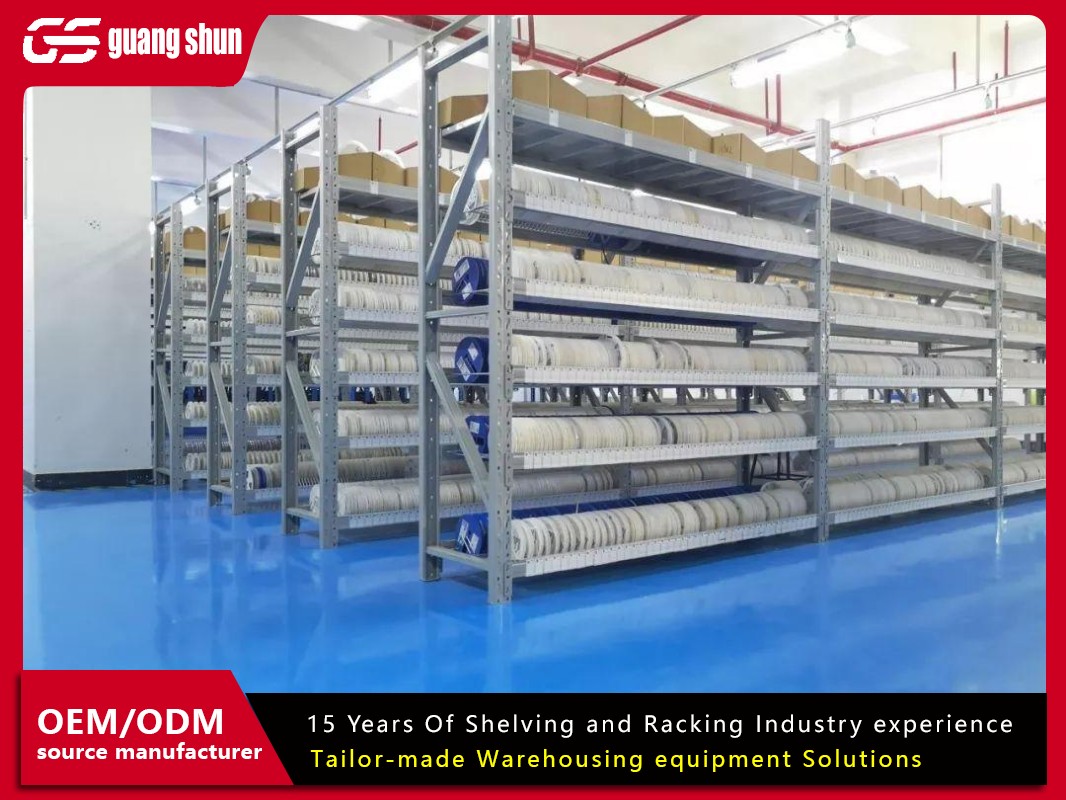
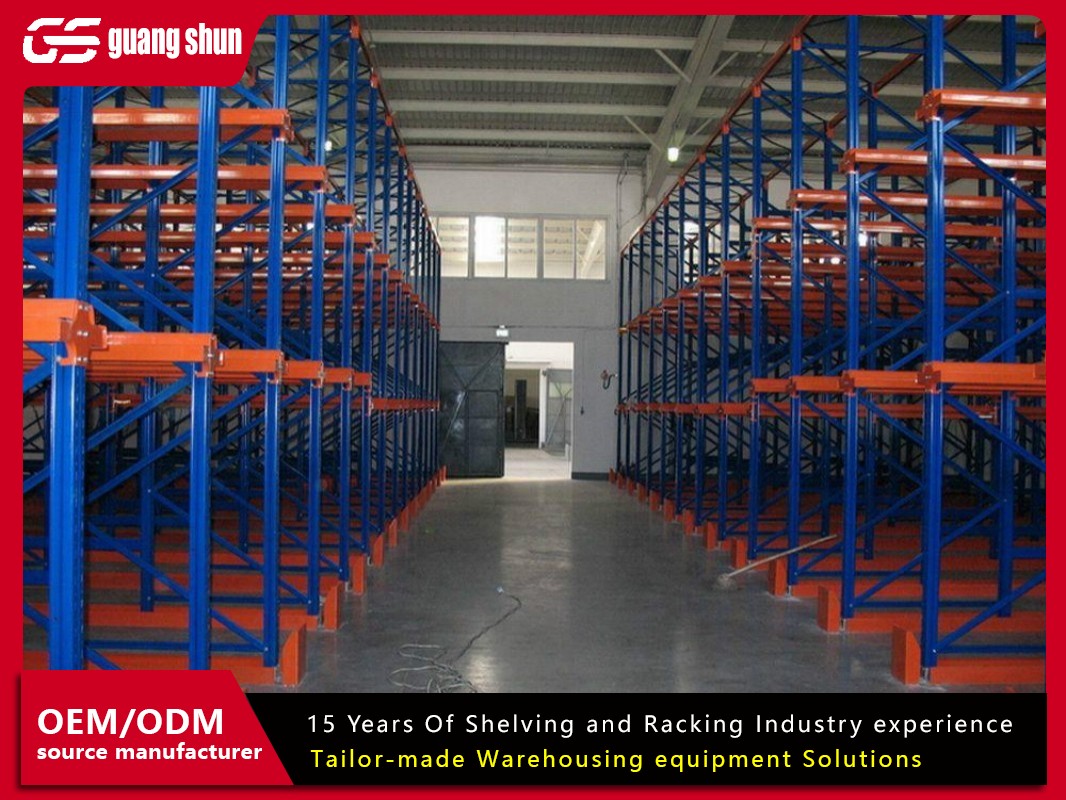
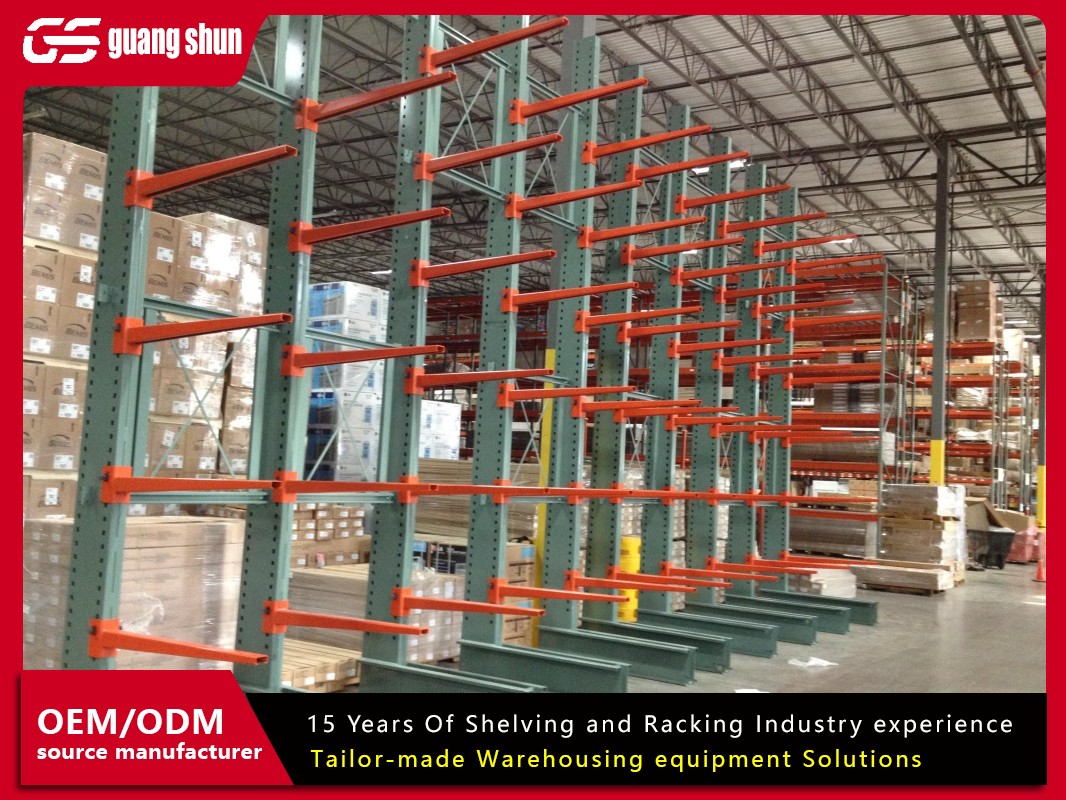
You know you need stronger shelves. Maybe you’re tired of wire racks sagging under the weight of your tools. Perhaps your warehouse is storing heavier parts, or your garage needs to handle the serious weight of automotive equipment. The term “heavy duty” gets thrown around a lot, but when it comes to storage, it’s a promise that can’t afford to fail.
This article isn’t just another product list. It’s about understanding what makes a truly robust heavy duty adjustable shelving system work. We’ll look at what sets it apart from lighter options, what to look for in its construction, and how to ensure the system you choose won’t let you down when you load it up.
Choosing the wrong system isn't just an inconvenience. It’s a safety hazard and a waste of money. Let's get into the details you need to know.
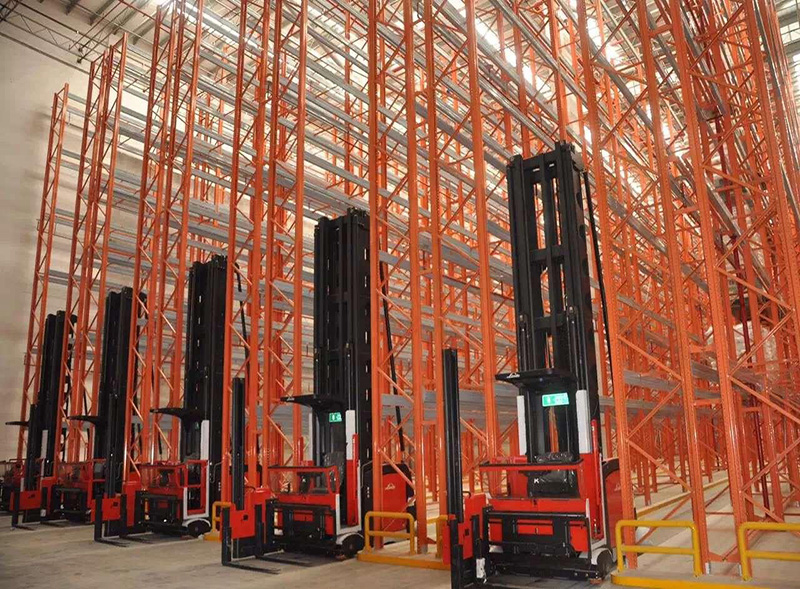
What Defines a True Heavy Duty Shelving System?
First, let's clear up a common point of confusion. A “heavy duty” label doesn’t have a universal standard. It’s relative. However, in the world of commercial and industrial storage, a heavy duty adjustable shelving system typically refers to shelving designed for point loads of 500 pounds per shelf and up.
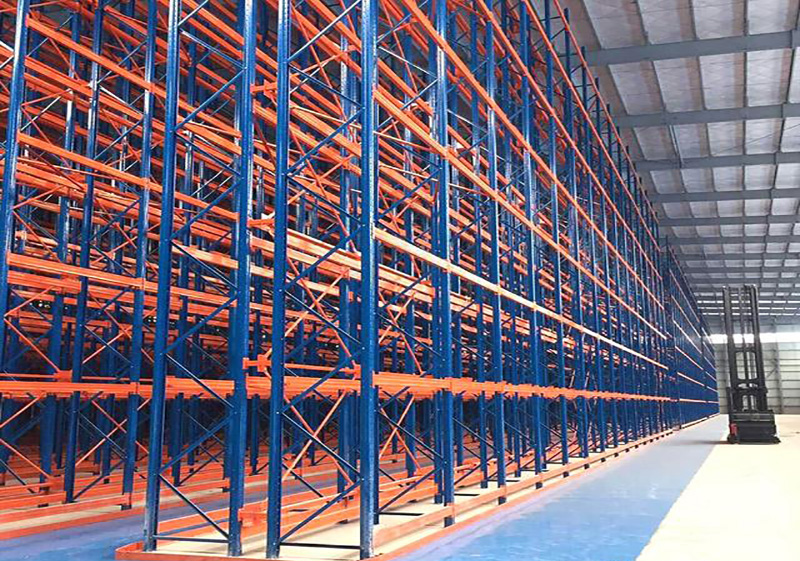
We’re talking about systems built from thick, cold-rolled or structural steel. Think of the frames as made from robust, box-shaped columns, not thin, open-backed uprights. The shelves themselves are often heavy-gauge steel decking, sometimes with a textured, non-slip surface.
The adjustability is key. True industrial adjustable shelving uses a positive locking mechanism. Shelves aren’t just resting on pins or clips; they are often bolted or use a secure, cam-lock design that prevents accidental dislodgement. This combination of strength and flexibility is what makes these systems so valuable for dynamic environments.
Heavy Duty vs. Light Duty: Knowing the Difference
Walking into a big-box store, you’ll see plenty of shelving. But the stuff designed for your garage at home is a world apart from what you need for a machine shop. The differences are in the details.
Light-duty shelving often uses lighter-gauge, roll-formed steel. The uprights might be “C-channel” shapes that are open in the back. Shelves may be particle board or thin, perforated steel. The adjustment is usually via simple pins or clips into a line of holes.
A heavy duty storage system is fundamentally different. The uprights are usually a fully enclosed “box” or “twin-column” design. This gives them immense strength to resist twisting and bending. The shelves are made of thick, often 16-gauge or heavier, steel with reinforced front lips. The connectors are substantial.
The goal of a heavy duty shelving unit isn’t just to hold weight—it’s to hold it safely, without deflection (sag), and to withstand the occasional bump from a pallet jack or toolbox cart without collapsing.
Anatomy of Strength: Key Design Features
What should your eyes be trained to spot? When evaluating a heavy duty steel shelving system, look for these critical construction features.
Upright Frame Design: Look for a closed-column design. Twin, box-shaped columns connected by robust struts are the hallmark of strength. The thicker the steel gauge (the lower the number), the better. 14-gauge or 12-gauge steel is common in serious systems.
Shelf Decking: The shelf itself is the workhorse. Avoid particle board for truly heavy loads; it can sag and is vulnerable to moisture. Look for solid, heavy-gauge steel decking. A reinforced, downward-bent front lip adds tremendous rigidity. Some systems offer wire grid decks for ventilation, but solid decks offer the highest uniform load capacity.
Connection and Locking: This is where safety lives. The best systems use a bolt-through design or a patented cam-lock mechanism. The shelf doesn’t just sit on a pin; it locks positively onto the upright. This prevents a shelf from being knocked loose from below—a crucial safety feature in busy spaces.
Finish: A quality powder-coated finish is more than just paint. It’s a durable layer that protects against rust, chips, and chemicals. It’s a sign of a product built for a long service life, not just quick assembly.
How to Choose the Right System for Your Load
Buying a heavy duty adjustable shelving system is an exercise in honest assessment. Overestimating your needs wastes money; underestimating them creates danger.
Start by weighing your heaviest single item. Not the total shelf load, but the heaviest thing you’ll place on it. A single engine block or a pallet of metal parts creates a concentrated point load. The system’s point load capacity must exceed this.
Next, calculate the uniform load. If you’re storing boxes of books or engine parts across the entire shelf, what’s the total weight? The shelf’s uniform load rating must handle this.
Always, always factor in a safety margin. If your calculated load is 800 lbs, don’t buy a system rated for 800 lbs. Go for 1,000 lbs or more. Dynamic forces—like setting something down—create momentary spikes in weight.
Consider the environment. Is it damp? A high-quality powder coat is essential. Is it a cleanroom? Look for a smooth, easy-to-clean finish. The right heavy duty industrial shelving fits your physical and environmental needs.
Installation and Maintenance: Making it Last
A system is only as strong as its installation. A heavy duty shelving system must be assembled correctly and maintained.
Follow the manufacturer’s instructions to the letter. This usually means building the upright frames on the ground, then standing them up. Use all provided hardware—every bolt, every washer. These systems are engineered as a complete unit; skipping parts compromises integrity.
The single most important step is ensuring the unit is perfectly level and plumb. Use a quality level during assembly. An un-level shelf unit will have an uneven load distribution, putting stress on certain joints and potentially leading to failure.
Once installed, anchor it to the wall or floor if possible, especially for tall units. This prevents tipping, which is a major safety risk, especially in areas with seismic activity or busy aisles.
For maintenance, conduct simple visual checks every few months. Look for signs of rust, loose bolts, or any deformation in the shelves or uprights. Never overload a shelf, and discourage people from climbing on the structure. Treat it with respect, and a good adjustable heavy duty racking system will serve you for decades.
Frequently Asked Questions (FAQ)
Q1: What is the typical weight capacity for a true heavy duty adjustable shelving system?
A1: True heavy duty systems start around 500 pounds per shelf for uniform loads and can exceed 2,000 pounds per shelf for higher-end industrial models. Point load capacities (for a single, concentrated weight) will be specified separately and are equally important to check. Always look at the manufacturer’s tested and rated capacities, not estimates.
Q2: How easy is it to actually adjust the shelves on these heavy-duty units?
A2: It’s designed to be straightforward but requires the shelf to be unloaded. Most systems use a bolt-through or cam-lock mechanism. You loosen the bolts or release the cam locks at each corner, reposition the shelf to the desired height (aligning it with pre-drilled holes), and then re-secure it. While not a daily task, it’s a manageable process for reconfiguring your space.
Q3: Can I use particle board or plywood instead of the provided steel decks?
A3: It’s strongly discouraged for heavy loads. The system’s load rating is based on the strength of its original steel decking. Particle board or plywood will sag significantly under the weights these frames are meant to hold, creating an unsafe condition and voiding any load rating or warranty. Use only manufacturer-approved shelf materials.
Q4: Are these systems compatible with add-ons like drawers, doors, or dividers?
A4: Often, yes. Many manufacturers of heavy duty adjustable shelving systems offer a suite of compatible accessories. This can include solid or wire mesh divider panels, shelf-mounted drawer units for small parts, and even full-height locking doors for security. Ensure you purchase accessories designed specifically for your system’s model and frame style for a proper fit.
Q5: What’s the biggest mistake people make when installing heavy duty shelving?
A5: Failing to ensure the unit is perfectly level and plumb is the most common critical error. An un-level frame forces the structure to bear loads in ways it wasn’t engineered for, leading to premature stress, bolt loosening, and potential collapse. Taking the time to shim the base and use a level during assembly is non-negotiable for safety and longevity.