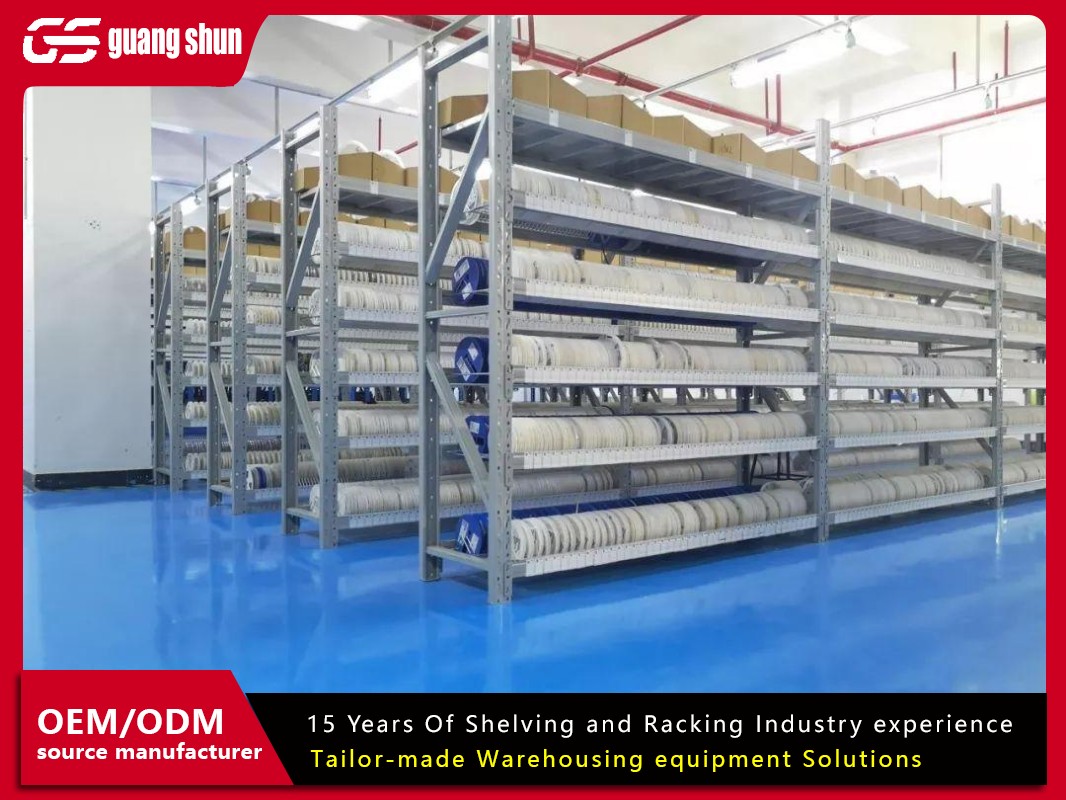
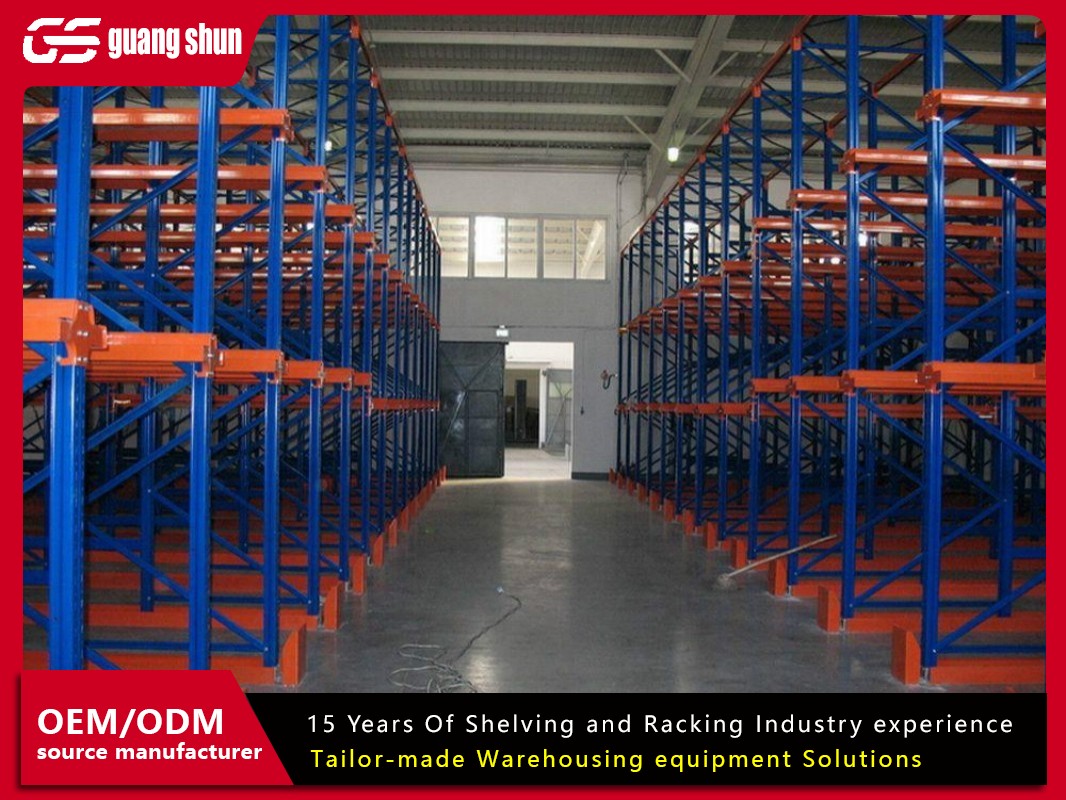
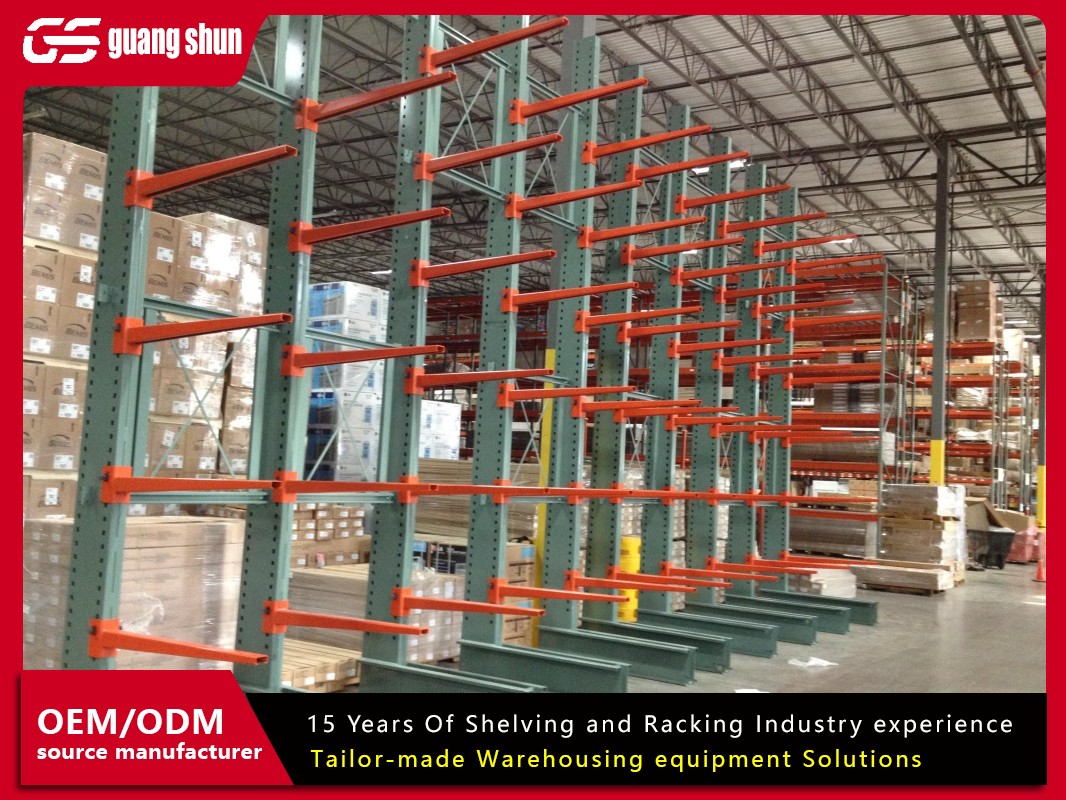
You walk into your warehouse, garage, or stockroom, and the chaos hits you first. Boxes are stacked unevenly, tools are buried, and finding anything feels like a major project. The floor space is covered, but the vertical space? It’s empty, wasted air.
This is a problem of infrastructure, not just clutter. Lightweight shelving buckles under real weight. Fixed shelves can't adapt to new inventory. What you need isn't just storage; you need a foundation.
Heavy duty metal storage shelves are that foundation. They are the unsung heroes of organization in spaces where durability matters. This isn't about holding a few light boxes. It's about creating a reliable, long-lasting system for your most demanding storage tasks.
Let's talk about what they are, where they work, and how to pick the right ones without overspending or buying something that won't last.
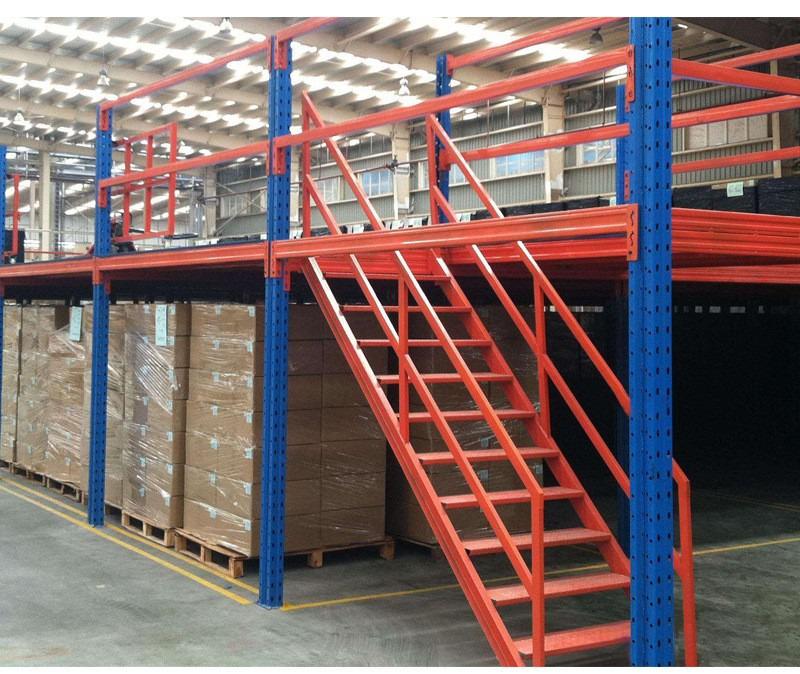
What Makes a Shelf "Heavy Duty"?
The term gets used loosely, but true heavy duty metal storage shelves have specific traits. First, the capacity is measured per shelf, not per entire unit. While a retail shelf might hold 150 lbs total, a single tier of a heavy-duty shelf can often support 1,000 to 2,500 lbs or more.
The construction is all thick, cold-rolled steel—typically in the range of 12 to 18 gauge. The lower the gauge number, the thicker and stronger the steel. You can feel the weight difference in the components.
These industrial metal shelving units feature reinforced upright posts and cross beams that lock together with secure mechanical fasteners like bolts or positive-lock clips. The decking is substantial, often a thick wire grid or solid steel, designed to distribute weight evenly without sagging.
Heavy Duty vs. Other Common Shelving Types
It's helpful to see where these shelves fit in the larger landscape.
- Wire Shelving (like for closets): Great for visibility and airflow, but typically light-duty. They lack the sheer mass and structural integrity for heavy, dense loads. Heavy duty wire shelving does exist but is a specialized subset for specific clean or corrosive environments.
- Plastic or Laminate Shelving: Useful in damp areas or for very light, clean items. They cannot compete with the sheer load-bearing capacity and impact resistance of steel storage shelves.
- Wooden Shelving (DIY or commercial): Can be strong but is susceptible to moisture, warping, and damage. It lacks the consistent, engineered strength and fire resistance of metal. Wood also can't be easily reconfigured.
- Pallet Racking: Designed specifically for storing palletized goods with a forklift. While incredibly strong, it's less versatile for smaller, diverse items. Heavy duty metal storage shelves fill the gap for hand-loaded items of varying sizes and weights.
The advantage of standard heavy duty shelving units is their versatility. They handle a wide mix of items, from engine blocks to bins of screws, with ease.
Step-by-Step: Selecting the Right Shelves for Your Space
Buying on size alone is a mistake. Follow this process to get it right.
Step 1: Assess Your Load - Honestly. This is the most critical step. What is the absolute maximum weight you will place on each shelf? Weigh a few sample boxes or items. Don't guess and always add a safety margin. The manufacturer's "per shelf" capacity rating must exceed your heaviest estimated load.
Step 2: Measure and Plan Your Layout. Get out the tape measure. Note the floor-to-ceiling height, width, and depth of your available wall or floor space. Remember to leave ample aisle space for people and equipment. Sketch a simple layout. Consider whether you need freestanding units, wall-mounted ones, or a combination.
Step 3: Choose Your Configuration and Features. Standard widths are 36", 42", or 48". Depths are commonly 18", 24", 36", or 48". Height is often adjustable in 1" or 2" increments.
Do you need closed backs or sides for containment? Do you prefer the airflow and debris fall-through of heavy duty wire rack shelving, or the solid surface of particle board or steel sheet decking? Do the shelves need to be mobile? Locking casters are a popular add-on.
Step 4: Consider the Environment. A dry warehouse is one thing. A damp garage, a commercial kitchen, or an automotive shop with chemical exposure is another. For corrosive environments, specify shelves with a high-quality, baked-on powder-coat finish or, for the utmost protection, galvanized steel. This prevents rust and extends life dramatically.
Understanding the Price: What You're Really Paying For
A set of heavy duty metal storage shelves is an investment. The price range is broad, and here’s why.
The single biggest cost factor is material and capacity. Shelves rated for 2,500 lbs per shelf cost significantly more than those rated for 800 lbs. You are paying for the extra steel, the heavier gauge, and the more robust engineering.
The finish adds cost. A standard enamel coat is budget-friendly. A thick, corrosion-resistant powder-coated finish adds 15-30% to the cost but is worth it for long-term durability. Galvanized steel is a premium option.
Features like bolt-together construction (for maximum strength and stability) are more expensive than clip-style assembly (which is still very strong and faster to set up). Remember to budget for accessories like decking, liners, end braces, and safety straps.
While upfront cost matters, consider the cost of failure. A collapsed shelf means damaged inventory, downtime, and potential injury. A well-chosen industrial steel shelving system pays for itself over a decade or more of reliable service.
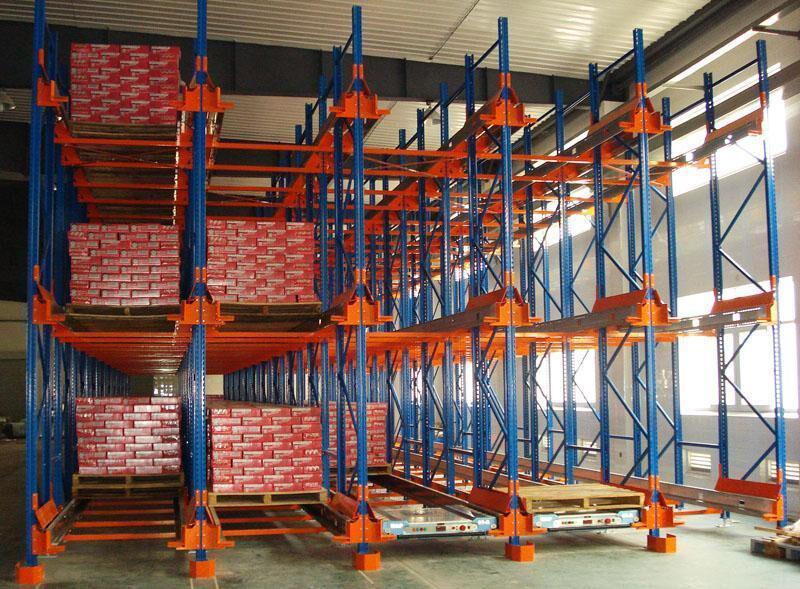
The Nuts and Bolts: How They're Built to Last
The strength isn't accidental. It comes from specific design and manufacturing choices.
The upright columns are typically formed from a single piece of steel into a strong "C" or "L" channel. The holes or slots for shelf adjustment are precision-punched. The spacing of these holes determines how finely you can adjust heights.
The beams, which support the shelf deck, lock into these holes. The best systems use a secure, positive-locking mechanism. A common and excellent design is the riveted clip. A spring-steel clip on the beam end snaps into the hole in the upright and cannot vibrate loose. For seismic zones or extreme loads, bolt-together systems are used, where a bolt passes directly through the beam and upright.
The decking completes the system. Heavy duty wire decking is welded from thick steel wire into a grid. It provides excellent support, allows for air circulation and sprinkler water passage (crucial for fire codes), and lets dust fall through. Solid decking options, like steel sheets or marine-grade plywood, provide a continuous surface for very small items.
Finding a Supplier You Can Trust
Look beyond the big-box retailers for true heavy duty commercial shelving. Specialist industrial storage suppliers offer better product knowledge, higher-quality options, and crucial support.
A good supplier will provide clear, engineering-rated load charts, not just marketing claims. They should offer layout assistance—many will create a CAD drawing of your proposed setup for free.
Ask about warranty, lead times, and the availability of replacement parts and add-ons down the line. Can you easily buy another matching unit in two years? Do they offer professional installation services? For large or complex installations, having experts put your shelves together ensures they are perfectly level, plumb, and anchored for maximum safety and stability.
Frequently Asked Questions (FAQs)
Q1: How much weight can heavy duty metal storage shelves really hold?
A1: It varies entirely by the specific model and design. Light commercial-duty shelves may hold 300-800 lbs per shelf. True heavy duty industrial shelving can range from 1,000 lbs to over 2,500 lbs per shelf. You must check the manufacturer's official load capacity chart for the exact configuration (beam length, decking type) you are using. Never exceed the rated capacity.
Q2: Are they difficult to assemble?
A2: Most bolt-together or clip-style steel shelving units are designed for assembly by two people with basic tools (a rubber mallet and wrenches). Instructions are typically clear. The process is straightforward but can be time-consuming and physically demanding due to the weight of the components. For large orders or very tall units, professional installation is highly recommended.
Q3: Can these shelves be used outdoors?
A3: Generally, not unless specifically stated by the manufacturer. Even with a good powder coat, prolonged exposure to sun and rain will degrade the finish and lead to rust. If outdoor use is necessary, you must seek out shelving made from hot-dipped galvanized steel, which offers far superior corrosion resistance.
Q4: Is it possible to customize the dimensions?
A4: While standard sizes are most common and cost-effective, many manufacturers of heavy duty metal storage shelves offer custom-cut beams and uprights for special projects. This naturally increases cost and lead time. Often, using standard sizes and creative layout planning can achieve the same goal without the need for full customization.
Q5: How important is anchoring the shelves to the wall?
A5: For any unit over 6 feet tall, or any shelf that will hold heavy, uneven, or top-heavy loads, anchoring is absolutely critical for safety. It prevents tipping, especially in seismic zones or busy environments where the shelf might be bumped. Use appropriate wall anchors (like toggle bolts for drywall or lag bolts for studs) into a structural wall. Many shelving units include anchor holes for this purpose.