Meta Description: Technical specifications, structural calculations, and
layout optimization for 30 pallet rack configurations. Data on beam deflection,
floor loads, and safety compliance from industry engineers.
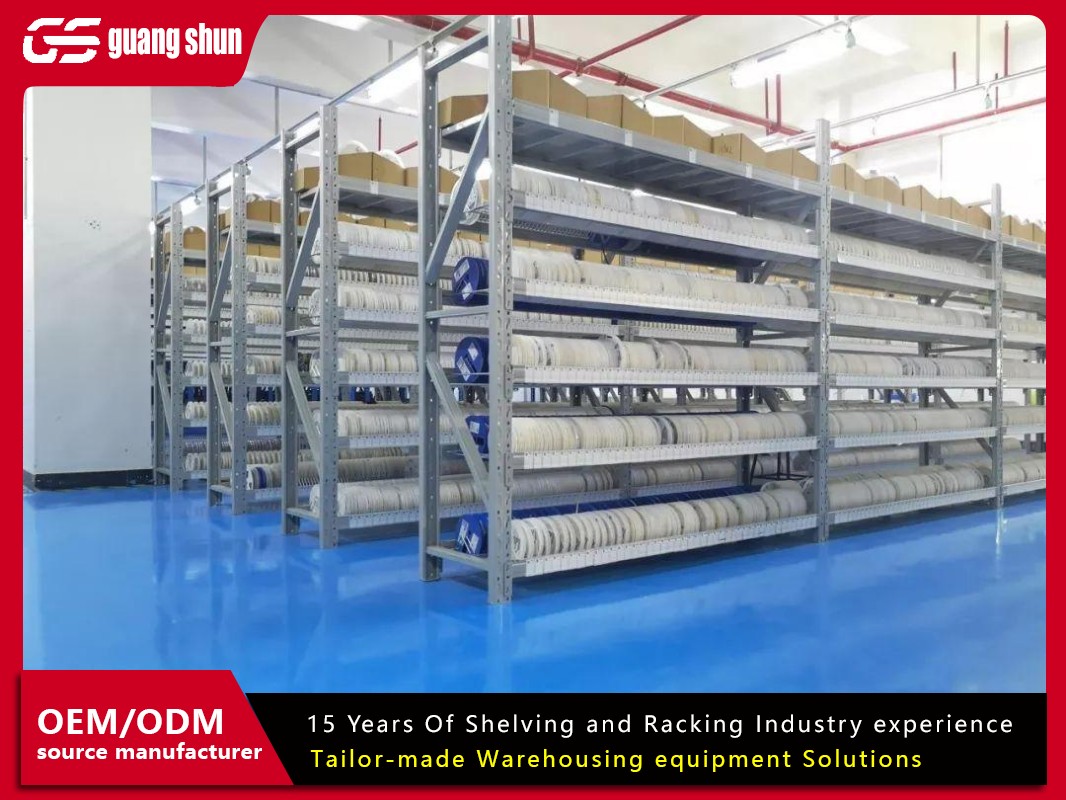
Warehouse managers seeking a 30 pallet
rack system face critical decisions: beam step layout, upright
frame gauge, and future scalability. Unlike generic storage solutions, a
precisely engineered 30-pallet-position rack delivers measurable throughput
gains and reduces product damage. This analysis provides load tables, seismic
considerations, and configuration examples validated by RMI (Rack Manufacturers
Institute) standards.
1. Structural Parameters of a 30 Pallet Rack Configuration
A robust 30 pallet rack typically uses two upright frames (3–4
m height) with 4–5 beam levels. Each pallet position assumes 1,200 kg
distributed load (L25 standard). Key engineering factors include:
Column profiles: 80x100 mm rolled steel, 2.0–2.5 mm
thickness, with 75 mm pitch punched holes.
Beam step: 2,700 mm clear span with step 3.0 mm box
section, deflection limited to L/180 under full load.
Frame bracing: Diagonal and horizontal members for wind and
seismic forces (Zone 3 seismic load).
Base plates: 6 mm thick with expansion anchors for floor
fixing.
For operations with mixed pallet sizes, adjustable beam levels are mandatory.
The 30 pallet rack system from Guangshun includes
laser-cut holes at 50 mm increments, allowing reconfiguration without
drilling.
2. Application-Specific Configurations for 30 Pallet Positions
2.1 Manufacturing Spare Parts Warehouses
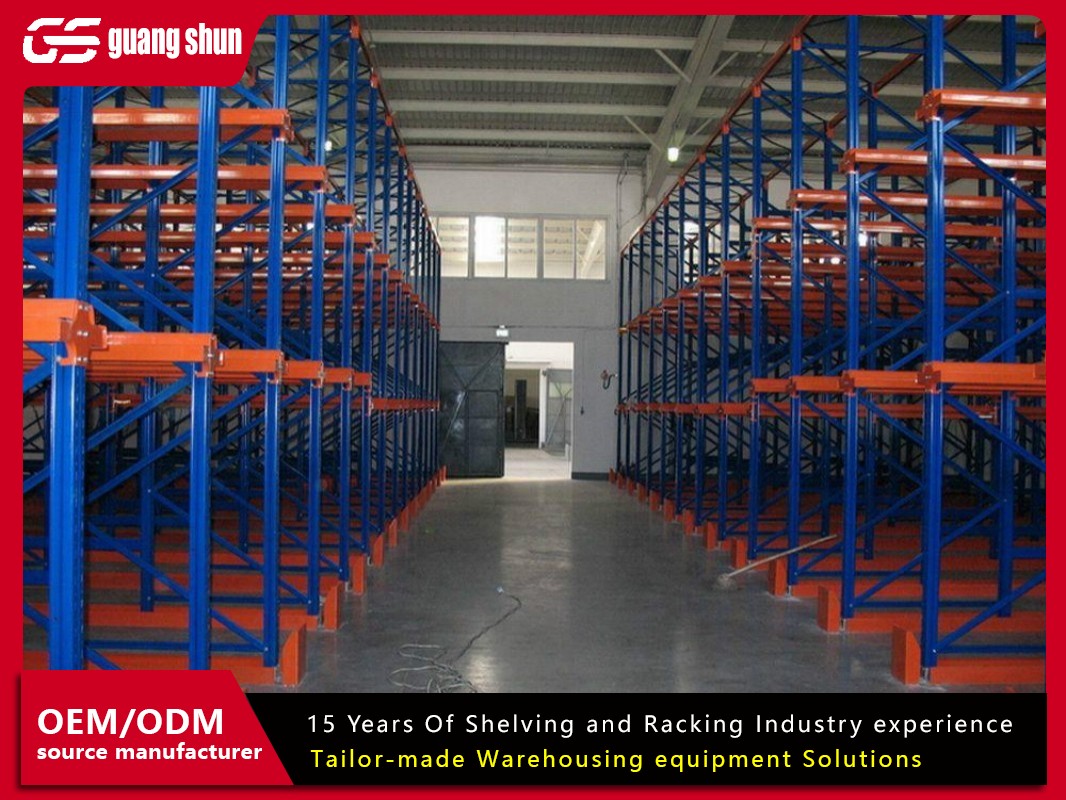
Automotive parts plants require high inventory turnover. A single-deep
selective rack with 30 pallet positions arranged in two rows (15 positions per
row) enables FIFO (First-In-First-Out). Aisle width of 3,200 mm for
counterbalance forklifts yields 85% direct access.
2.2 Cold Storage Facilities
Frozen goods demand dense storage with minimal aisle intrusion. The same
30 pallet rack footprint can be doubled by using double-deep
configuration with a reach truck, increasing density by 40% while retaining
30-pallet capacity per bay. Coating must withstand -25°C; powder coating
thickness ≥ 80 μm prevents corrosion from condensation.
2.3 Retail Cross-Docking Centers
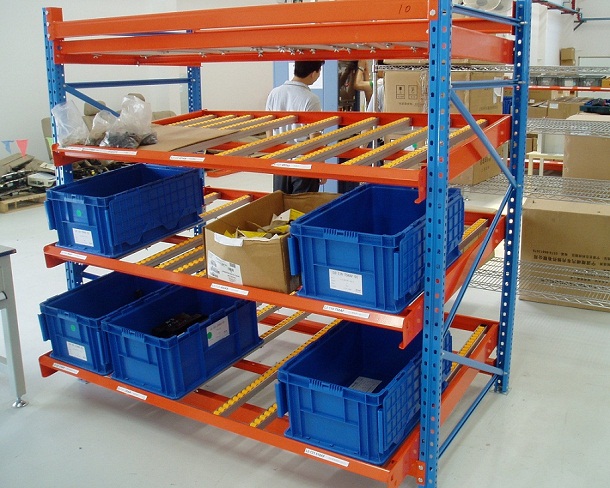
For mixed SKU handling, carton flow attachments can convert lower beam
levels. A 30 pallet rack with three static levels and two flow levels reduces
order picking travel by 30%. Guangshun provides modular accessories such as wire
decking and back stops for mixed-load applications.
3. Six Common Engineering Failures with 30 Pallet Rack Systems
Insufficient floor flatness: A variance > 5 mm per 3 m
causes rack tilting and beam connector stress fractures. Solution:
laser-levelling concrete to F-min 50 standard.
Undersized anchor bolts: For seismic zones, M12 bolts with
120 mm embedment are required; many contractors use M10, reducing pull-out
resistance by 37%.
Overloaded beam levels: Operators often exceed UDL
(uniformly distributed load) by storing irregular heavy items on one side,
leading to torsion failure. Install load signs and use beam lock inserts.
Lack of row spacers: Back-to-back rows without rigid
spacers sway under forklift impacts. Spacers every 3 m cut sway amplitude by
60%.
Ignoring pallet overhang: Pallets extending beyond beams by
> 50 mm create dynamic leverage. Mandate pallet stops or beam end
plates.
Incorrect beam step calculation: Using 2,500 mm span for
1,200 kg pallets requires step section 2.5 mm instead of standard 1.8 mm; verify
with deflection tables.
Professional inspection every 12 months (as per EN 15635) identifies these
risks. The 30 pallet rack from Guangshun includes a
load capacity certificate per FEM 10.2.02, with visual impact indicators on
columns.
4. Layout Optimization: From Floor Space to Throughput
Calculating the real footprint of a 30 pallet rack requires
considering aisle width, turning radius, and expansion allowance. Using 1,200 x
1,000 mm pallets:
Each pallet position footprint = (pallet depth + 100 mm overhang + aisle/2)
× (pallet width + beam gap)
For single-deep standard: aisle 2.8 m → floor space per position ≈ 2.1 m² →
63 m² total for 30 positions.
For double-deep with reach truck (aisle 2.4 m): per position ≈ 1.65 m² →
49.5 m² total, saving 21% space.
Warehouse simulation tools (e.g., FlexSim) can model product velocity.
Fast-movers stored at waist level (600–1,500 mm height) reduce lift truck travel
time by up to 22% in a 30 pallet rack block.
5. Safety Compliance and Structural Integrity Checks
Compliance with AS4084-2012 (Australia) or RMI Specification (USA) mandates
three layers of protection for any 30 pallet rack installation:
Column protectors: bolt-on steel guards at 300 mm height
absorb impact energy up to 5,000 J.
Seismic base isolation: In zones with PGA > 0.2g, use
sliding bases with 40 mm displacement capacity.
Fire sprinkler clearance: Maintain 150 mm vertical gap
between beam deck and sprinkler deflector, per NFPA 13.
Routine audits: Check beam lock engagement, column verticality (max tilt
1:200), and anchor torque (re-torque after first 6 months). Guangshun provides a
digital inspection checklist for each delivered rack system.
6. Why Guangshun Engineered 30 Pallet Rack Systems Stand Out
With 18 years in industrial storage, Guangshun delivers
precision-rolled racks with FEA-validated designs. Every 30 pallet
rack order includes:
3D layout drawing with seismic calculation report
Beam deflection test at 150% nominal load
Electrostatic powder coating (120 μm thickness, salt spray test > 500
hours)
24-month structural warranty
Third-party audits confirm that Guangshun's 30-pallet racks maintain < 2%
deflection after 10 years of simulated two-shift operation.
7. Frequently Asked Questions (FAQ) – Engineering and Operations
Q1: What is the minimum ceiling height needed for a 30 pallet rack
with 4 beam levels?
A1: Based on pallet height of 1,200 mm and beam
thickness of 120 mm, plus 150 mm clearance above load: (1,200+120) x 4 + 150 =
5,430 mm. For safe forklift mast tilting, add 300 mm → 5,730 mm clear height
recommended.
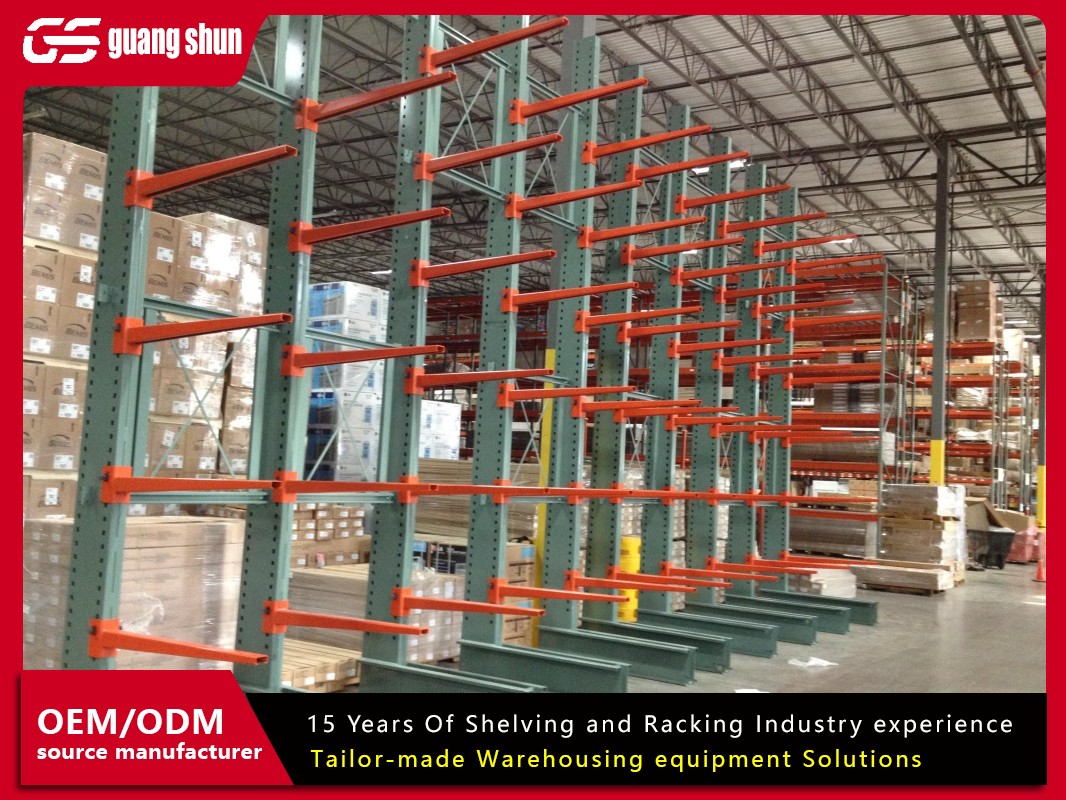
Q2: Can I convert a standard 30 pallet rack to drive-in configuration
later?
A2: No. Drive-in racks require continuous rails and different
column spacing (typically 1,800 mm versus 2,700 mm for selective). However, you
can add a push-back attachment on two lower levels for high-density storage
while keeping upper levels selective.
Q3: How often should anchor bolts be retorqued?
A3: For
concrete floors with normal vibration, retorque after 1 month, then every 12
months. Use a torque wrench to 150 Nm for M12 8.8 grade bolts. Loose anchors
account for 34% of rack collapses (data from HSE 2023 report).
Q4: What is the actual load capacity if I store non-uniform items
(e.g., drums or long tubes)?
A4: Reduce the uniform load rating by
40% for point loads. For example, a 30 pallet rack beam rated at 2,000 kg UDL
should carry max 1,200 kg if load is concentrated in the middle third. Use load
spreading bars or timber decks to distribute weight.
Q5: Does seismic bracing require separate foundations for a 30 pallet
rack?
A5: Only for sites with PGA > 0.3g or soft soil class D/E.
Standard anchor bolts with 180 mm embedment and 8 mm thick base plates plus
diagonal seismic clips (retrofit) provide sufficient resistance for most
warehouses. Guangshun offers a free seismic adequacy check with
any rack layout submission.
Q6: Can the beam levels be adjusted after the rack is fully
loaded?
A6: Never adjust beams with any load on the rack. Offload
the affected bay completely. Use a scissor lift to support the beam during
repositioning. Step increments are 75 mm; beams must engage all four safety
clips per side.