In modern distribution centers, the choice of warehousing racks directly influences floor space utilization, order picking velocity, and structural safety compliance. With global warehouse rents rising by nearly 12% year over year (CBRE 2025), logistics directors and facility managers require engineering-backed decisions rather than generic layouts. This analysis draws on load testing standards, seismic zone requirements, and real-world retrofitting projects to provide a data-oriented framework for rack selection. We will examine how different rack architectures impact throughput, maintenance costs, and scalability for automated systems.
1. Categorizing Warehousing Racks by Architecture and Workflow
Each warehousing racks configuration addresses distinct inventory profiles. Understanding the operational trade-offs is the first step toward a rational design:
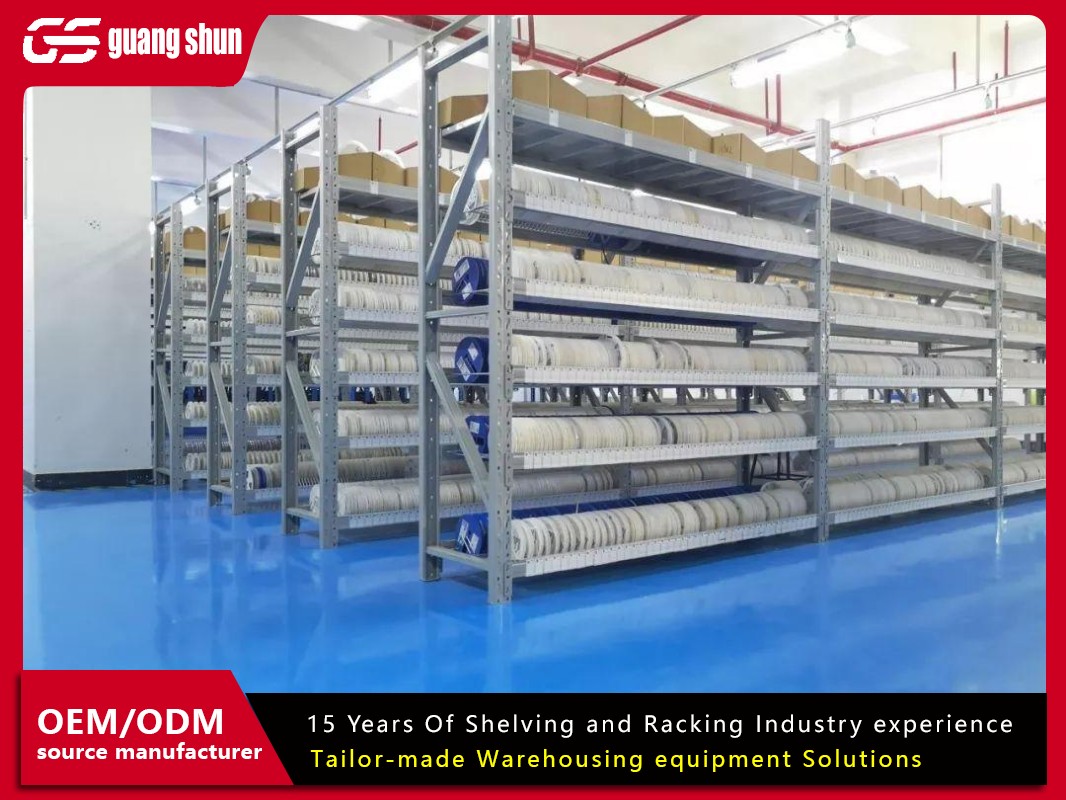
Selective pallet racks – Direct access to every pallet, ideal for high-turnover SKUs. Typical depth: 2-3 pallets. Space utilization: 35-45%.
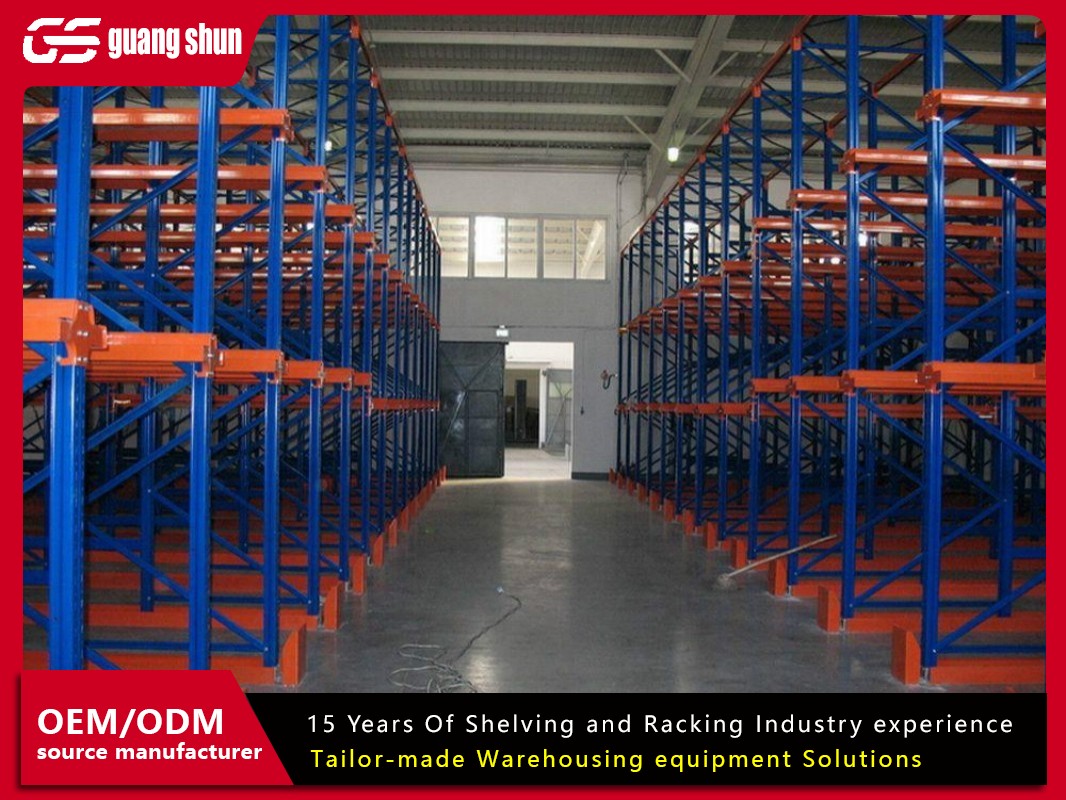
Drive-in/drive-through racks – LIFO or FIFO (with through configuration). Storage density up to 75% but reduced selectivity. Best for homogeneous, low-SKU-count inventory.
Push-back racks – Uses nested carts on inclined rails. Each lane holds 2-6 pallets; loading is LIFO with better space usage than selective racks. Ideal for medium-turnover items.
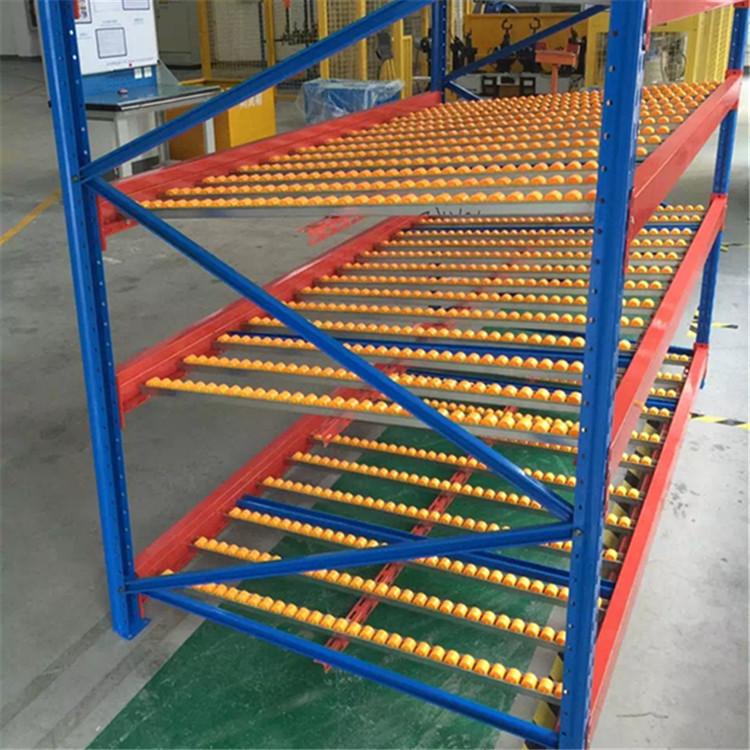
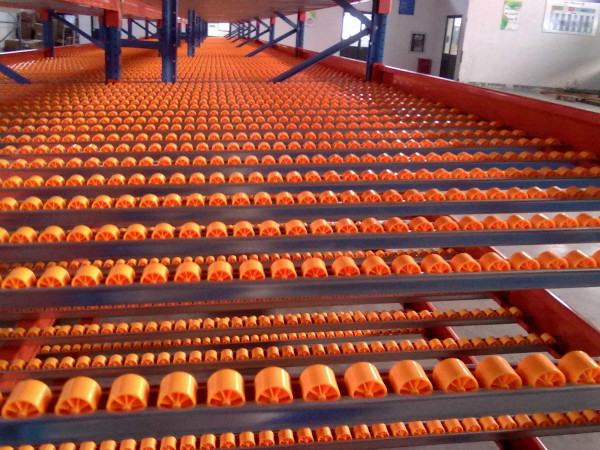
Pallet flow racks (gravity flow) – FIFO automatic rotation using roller tracks and speed controllers. Essential for perishable goods or batch code-sensitive stock.
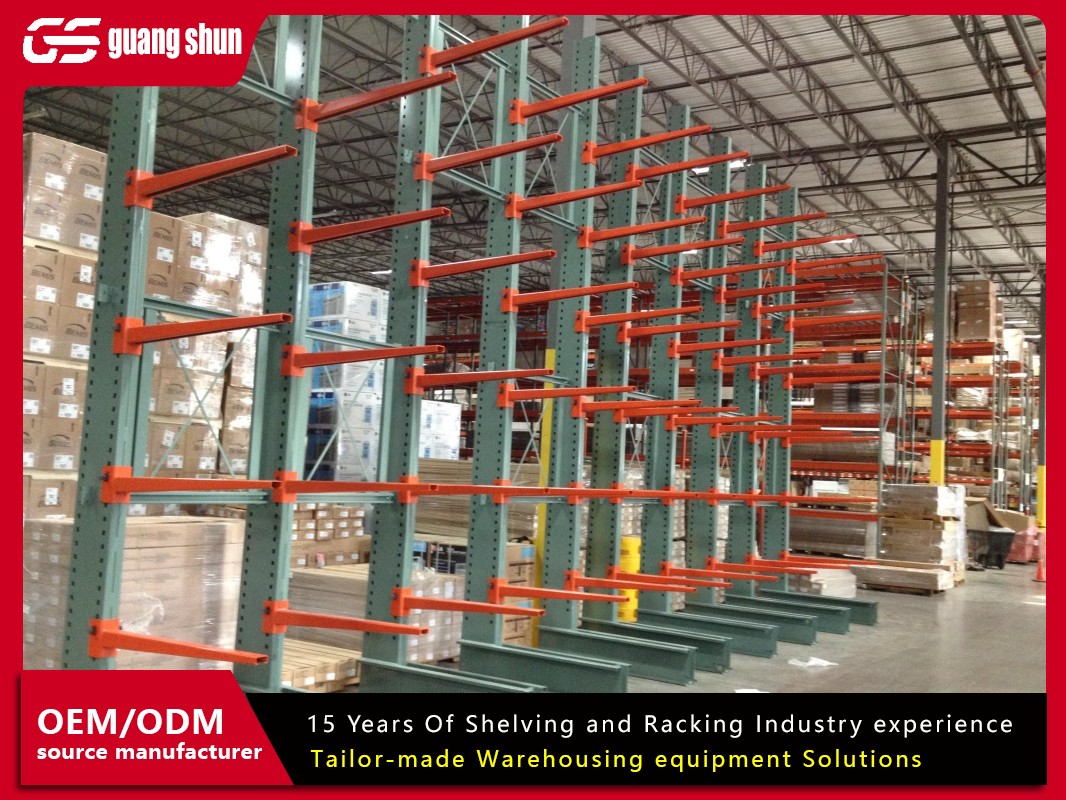
Cantilever racks – Designed for long items (steel bars, lumber, piping). Arm capacities range from 500kg to 2000kg per side.
Recent industry surveys show that 43% of warehousing managers misapply drive-in racks for mixed-SKU environments, leading to 18% lower retrieval efficiency. Aligning rack type with SKU velocity (ABC analysis) reduces travel distance by 27% on average.
2. Engineering Specifications That Define Rack Structural Integrity
Beyond basic classification, professional warehousing racks must comply with RMI (ANSI MH16.1-2022) or FEM 10.2.08 standards. The critical parameters include:
Steel grade & section modulus – Most heavy-duty racks use Q355B (or equivalent S355JR) with a minimum yield strength of 355 MPa. Upright frame sections (e.g., 100×80×2.5mm) are optimized for buckling resistance under eccentric loading.
Beam deflection limits – Maximum allowable deflection under full load is L/180 (where L is beam span). For 2700mm span, that translates to ≤15mm deflection, ensuring safe pallet engagement.
Protective coatings – Industrial racks require polyester powder coating, 60-80µm thickness, salt spray resistance (≥500 hours ISO 9227), especially in cold storage or chemical environments.
Seismic design category (SDC) – In seismic zones D/E, racks need base isolation plates, diagonal bracing, or anchor bolts with 2× safety factor. Guangshun (Guangshun) provides finite element analysis (FEA) reports per ASCE 7-22 for projects in high-risk regions.
Neglecting these specifications caused 31% of reported rack collapses in North America (OSHA database 2020-2024). Always require certified load certificates and third-party weld inspections.
3. Five Critical Pain Points – and How Advanced Rack Designs Resolve Them
Facility managers consistently report recurring problems that standard racking cannot fix. Below are the top pain points with engineering-backed countermeasures:
Pain point #1 – Underutilized vertical cube: Typical warehouses only use 60% of clear height. Solution – Implement high-bay warehousing racks with integrated mezzanines or VNA (very narrow aisle) configurations. Using 12m-tall selective racks instead of 8m increases density by 35% without expanding footprint.
Pain point #2 – Frequent forklift impacts: 40% of rack damage occurs in aisles with low visibility. Solution – Install column protectors (1200mm height, 8mm steel), plus anchored end-aisle frames with energy absorption. Optical guidance lanes reduce collisions by 67%.
Pain point #3 – SKU proliferation and reconfiguration difficulty: Traditional welded frames lack adaptability. Solution – Boltless adjustable rack systems (50mm vertical pitch) allow beam reposition within hours. A pharmaceutical DC reported 80% lower reconfiguration downtime using modular designs from Guangshun.
Pain point #4 – Incompatibility with automated guided vehicles (AGVs): Standard racks have loose tolerances (±10mm). Solution – Specify AGV-dedicated racks with ±2mm straightness on floor channels, laser reflectors, and defined positioning pockets.
Pain point #5 – Floor flatness surprises: Uneven floors result in leaning racks and load instability. Solution – Use adjustable base plates + epoxy grouting. Laser floor mapping prior to rack installation is mandatory, aiming for Fmin ≤ 0.5% slope over 10m.
4. Data-Driven Matching: Matching Rack Configurations to Your SKU Profile
The optimum warehousing racks selection depends on quantitative metrics: pallet dimensions (EPAL vs. custom), throughput (picks/hour), and inventory turnover. Use this decision matrix based on real 3PL case studies:
Class A (fast movers, >70% of picks) – Selective racks placed near shipping zone. Recommended depth: 1-2 pallets, beam levels 3-4. Achieve 90% travel reduction.
Class B (medium movers, 20% of picks) – Push-back or double-deep selective racks. Typical lane depth: 3 pallets, saves 25% floor space compared to single-deep.
Class C (slow movers, <10% of picks) – Drive-in racks or compact mobile racks with maximum density (90% storage utilization). LIFO acceptable for non-perishable items.
Mixed / irregular loads – Cantilever racks or pallet flow lanes with adjustable width separators.
Advanced simulation tools (e.g., FlexSim or Arena) can model throughput vs. rack configuration. One food distributor increased picking accuracy by 19% and reduced travel time by 1.2 hours per shift after reconfiguring based on these metrics.
5. Integration With Automation: AGV, ASRS, and Rack Compatibility
Automated storage and retrieval systems (ASRS) impose tighter requirements on warehousing racks. For robotic crane systems (stacker cranes), upright straightness tolerance ≤ ±3mm per 10m height is mandatory. For shuttle-based systems, rails require a maximum level deviation of 1mm per 1000mm. Key integration checkpoints:
AGV navigation aids – Install magnetic tape or QR-code tiles on rack aisles; ensure that footplates do not protrude beyond 10mm to avoid AGV collisions.
Wireless load sensors – Modern smart racks integrate load cells and tilt sensors on beams, providing real-time weight data to warehouse management system (WMS). This lowers overloading risk by 90%.
Future-proofing allowance – Specify additional horizontal bracing and reserved anchor points for future automation. The cost of retrofitting is 3-5× higher than pre-installation design changes.
Guangshun has delivered over 40 automation-ready rack projects for e-grocery and pharmaceutical DCs, integrating with Dematic, Swisslog, and Daifuku systems. Each project includes a 3D laser validation report before commissioning.
6. ROI Calculus: How Quality Racks Reduce Total Cost of Ownership
Purchasing warehousing racks based on lowest initial price often creates hidden costs. Analyse TCO over a 10-year horizon including maintenance, downtime, and safety penalties:
Maintenance & repairs – Premium hot-dip galvanized coating (≥85µm) resists corrosion for 15+ years, while standard powder coating may need rework after 7 years (costing $4-$7 per square foot).
Safety incident costs – An average rack collapse results in $330,000 direct damages and possible OSHA fines of $15,000 per serious violation. Certified engineering stamps reduce liability.
Reconfiguration flexibility – Modular racks that allow beam relocation have a residual value 45% higher after 10 years vs. welded racks that require scrapping.
Density-driven savings – Increasing rack height from 6m to 9m in a 10,000 m² warehouse unlocks up to 5,000 m² additional equivalent capacity, avoiding a $2.5M expansion.
One automotive parts supplier using engineered warehousing racks from Guangshun reported a 31% lower 5-year TCO compared to standard market products, primarily due to reduced collision repairs and zero safety citations.
7. Case Study: Overcoming Low-Ceiling Constraints With Custom Racks
A regional third-party logistics provider operated in a 1970s building with a 5.8m clear ceiling height, severely limiting vertical storage. Standard selective racks would only provide three levels, wasting floor space. Guangshun engineered a custom warehousing racks solution combining:
Double-deep selective racks (three pallets deep per lane) to increase density by 40%.
Integrated wire-guided narrow-aisle reach trucks, reducing aisle width from 3.2m to 2.2m.
Low-profile roof-monorail for overhead conveyor, bypassing low beams.
Post-implementation, the DC increased pallet positions from 1,850 to 2,970 without expanding floor area. Annual labor cost decreased by 14% due to reduced travel distances. This illustrates that tailored engineering surpasses off-the-shelf limitations.
Conclusion: Commit to Engineered Racking for Competitive Advantage
Selecting the optimal warehousing racks is not a commodity purchase—it is a strategic decision influencing safety, labor productivity, and future automation readiness. By aligning rack architecture with SKU data, enforcing rigorous material and seismic standards, and integrating modular flexibility, operations achieve measurable cost reductions. Consulting with specialized engineering teams like Guangshun ensures that your rack layout addresses specific building constraints and throughput goals. Request a detailed rack specification audit for new or retrofitted projects.
Frequently Asked Questions (FAQ) About Warehousing Racks
Q1: What is the maximum safe load per beam level for standard
industrial racks?
A1: For selective pallet racks
using 100×50mm beams with 2.5mm thickness, the typical safe working load (SWL)
per beam pair ranges from 1500kg to 3500kg, depending on span length (span
2700mm → approx. 2200kg). Always check the manufacturer's load chart and never
exceed 70% of the ultimate failure load. Certified racks include a visible load
capacity plate per aisle.
Q2: How often should warehousing racks be inspected for structural
safety?
A2: RMI recommends a visual inspection at
least every 6 months for standard environments, and monthly in high-impact zones
(freezer warehouses, cross-dock facilities). Annual engineered inspections using
laser plumb meters and torque wrenches are mandatory. Any upright damage
exceeding 10mm dent depth or 5° tilt requires immediate unloading and
repair.
Q3: Can I reconfigure existing selective racks to drive-in
configuration later?
A3: Generally no. Drive-in
racks require continuous upright frames with bracing rails and specific
longitudinal stability; standard selective uprights lack the necessary stiffness
and bracing holes. Retrofitting involves replacing at least 70% of components,
making it less cost-effective than new engineering. Plan your rack type based on
long-term inventory projections.
Q4: What seismic performance levels are required for racks in
California and Japan?
A4: In High Seismic zones
(Site Class D/E), racks must be designed per ASCE 7-22 with a response
modification factor (R) of 2.5 for anchored systems. Japanese Seismic Standard
JIS B 8944 requires base shear coefficient of 1.0g. Solutions include added
diagonal bracing, oversized anchors, and energy-dissipating foot plates.
Guangshun provides detailed seismic calculation reports for
each project.
Q5: How does cold storage (freezer environment) affect warehousing
racks performance?
A5: Sub-zero temperatures (e.g.,
-25°C) reduce steel’s notch toughness and increase brittleness. Use only
low-alloy steel with charpy V-notch impact test ≥27J at -30°C. Bolts and
connections require zinc-nickel plating (500h salt spray). Moreover, frost
buildup on beams and floors requires wider aisle clearances (add 100mm clearance
for ice formation). Insulated column bases prevent frost heave.
Q6: Are there green or sustainable options for rack manufacturing and
end-of-life?
A6: Yes. Steel racks made from ≥70%
recycled content and powder coating with low VOC (<50g/L) are available. At
end-of-life, steel racks are 98% recyclable. Some manufacturers like Guangshun offer take-back programs and refurbishment services, extending lifespan by 15
years.