Keeping a large cold storage facility, supermarket, or food processing plant consistently cold is a massive engineering challenge. Centralized residential-style condensing units simply can't handle the scale.
This is where professional rack system refrigeration comes into play. It's the backbone of commercial cooling for spaces that demand reliability, efficiency, and precise temperature control.
If your business depends on cold, understanding this technology is key to making smart decisions.
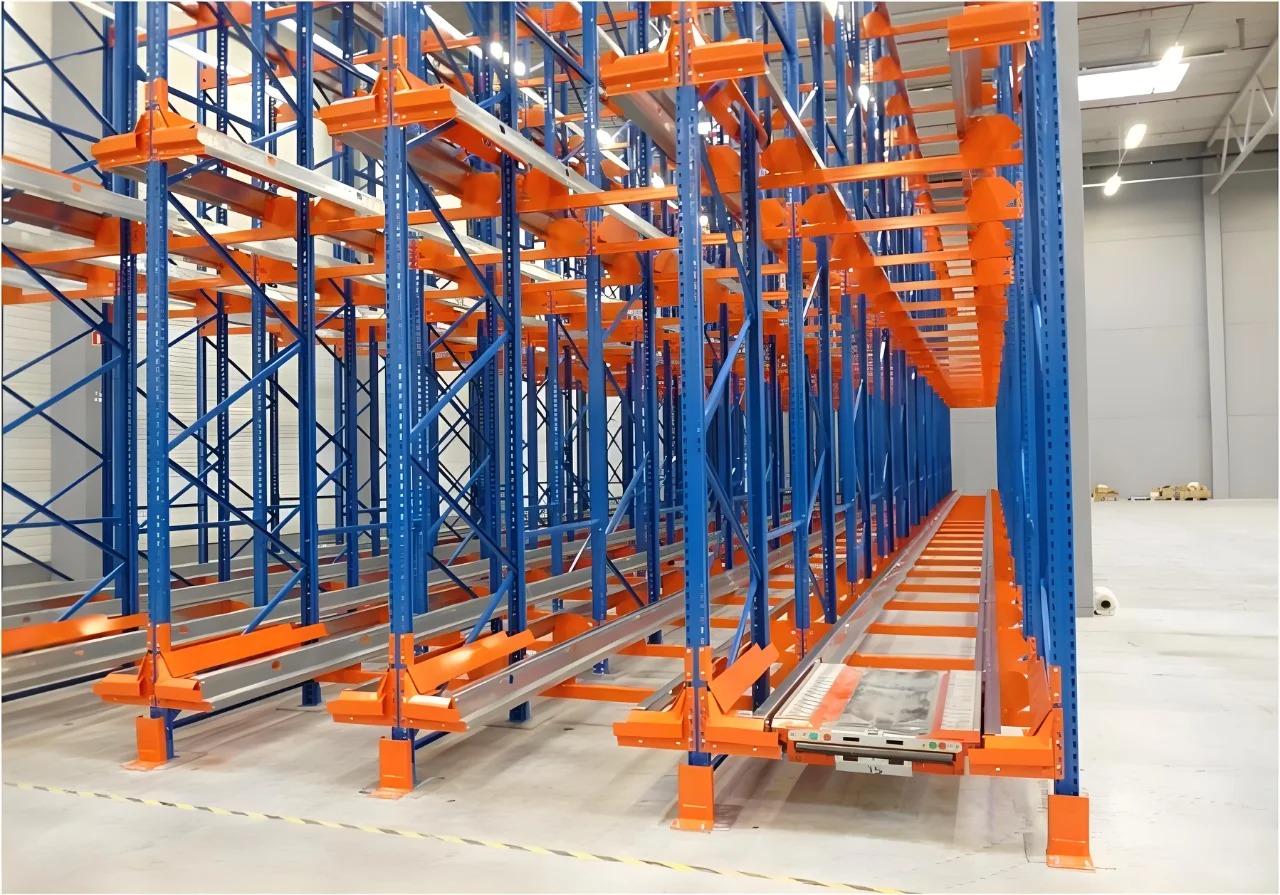
What is a Rack System in Refrigeration?
At its core, a rack system refrigeration setup is a centralized powerhouse. Imagine multiple compressor "cylinders" mounted together on a single steel frame—the rack.
These compressors work in parallel, sharing the workload to cool multiple different zones or display cases (called "loads") from one centralized location, usually in a machine room.
A single, sophisticated refrigeration rack replaces dozens of individual condensing units. It manages a complex network of pipes carrying refrigerant to evaporators in coolers, freezers, and display cases throughout the building.
Rack Systems vs. Traditional Distributed Systems
Why go with a complex rack system instead of many smaller units? The differences are significant for business operations.
Distributed Systems (Multiple Condensing Units):
Each cooler or freezer has its own dedicated condensing unit. It's a simpler initial design. But it leads to a roof or yard cluttered with equipment. Maintenance must be performed on many individual units. Efficiency is lower, and if one fails, that specific cold space is down.
Centralized Rack System Refrigeration:
All major components are housed together. This setup offers superior energy efficiency because compressors stage on and off to match the exact cooling demand. Maintenance is streamlined in one location. System redundancy is built-in; if one compressor fails, others can often compensate.
The choice becomes clear for larger facilities: distributed systems bring complexity and higher long-term costs. A well-designed refrigeration rack centralizes control and improves reliability.
Primary Applications and Selection Guide
Not every business needs a rack system refrigeration plant. They are designed for significant cooling demands.
Where You'll Find Them:
- Large supermarkets and grocery stores.
- Cold storage warehouses and distribution centers.
- Food and beverage processing plants.
- Packing houses and agricultural storage.
- Ice rinks and specialized industrial processes.
Choosing the Right Rack Configuration: A 5-Factor Checklist
- Total Load & Diversity: Calculate the combined cooling requirement (in tons or kW) of all your cases and rooms. A key advantage of a rack system is "diversity"—not all cases need max cooling at once. This allows for a smaller, cheaper rack than the sum of all individual loads.
- Temperature Zones: How many different temperatures do you need? A medium-temperature rack (for dairy, produce) typically uses R-448A or similar. A low-temperature rack (for frozen food) uses CO2 (R-744) or R-449A. Many modern systems use a secondary coolant or cascade design to manage multiple zones efficiently.
- Refrigerant Choice: This is a major decision. Legacy HFCs are being phased down. Newer HFO blends (like R-448A) are common. Natural refrigerants like CO2 (in transcritical or cascade systems) and ammonia (for large industrial sites) are gaining ground due to environmental regulations. Your rack system design hinges on this.
- Redundancy Requirements: Can your business afford a cooler going warm? For critical applications, the rack system must have standby compressor capacity or be designed so that remaining compressors can handle a reduced load if one fails.
- Future Expansion: Will you add more cases or rooms later? A modular refrigeration rack design with space for extra compressors and electrical connections can save massive costs down the line.
Breaking Down the Costs and ROI
A rack system refrigeration installation is a major capital expense. However, it should be viewed as a long-term investment with an operational payback.
Upfront Cost Drivers:
- Rack Itself: Number and size of compressors, the type of refrigerant, and control panel sophistication.
- Installation: This is labor and material-intensive. It involves miles of piping, electrical work, and the machine room build-out. Installation can rival the equipment cost.
- Secondary Components: Pumps, vessels, and heat reclaim systems add cost but also value.
Operational Savings & ROI:
The true value emerges over time. A modern, well-maintained rack system is far more energy-efficient than a field of aging individual units. Advanced controls, heat reclaim (using waste heat to warm water or space), and reduced maintenance frequency lead to significant utility and service savings.
The return on investment often comes from lower monthly operating costs and avoiding the frequent replacement of distributed systems.
Technical Insights: How Modern Racks Work
Today's refrigeration rack systems are marvels of intelligent control, far from simple mechanical collections.
Parallel Compressor Systems:
The heart of the rack. Multiple compressors are connected to common suction and discharge headers. A sophisticated controller, often linked to electronic expansion valves at each case, monitors temperatures and pressures. It stages compressors on and off with pinpoint accuracy to meet demand, maximizing efficiency.
The Importance of Heat Reclaim:
A standard system wastes heat by rejecting it to the outdoors. A rack system with heat reclaim captures this thermal energy. It uses a special heat exchanger to warm glycol or water, which can then heat a store's domestic hot water, floor heating, or even defrost cycles. This dramatically improves overall site efficiency.
Defrost Strategies:
Low-temperature systems accumulate frost. Modern racks use efficient "hot gas defrost." They divert hot, high-pressure refrigerant gas from the compressor discharge directly to the evaporator coils to melt ice. This is faster and more efficient than electric defrost, saving energy.
Finding a Qualified Designer and Contractor
This is not a do-it-yourself project. The design, installation, and service of a rack system refrigeration plant require specialized expertise.
What to Look For in a Partner:
- Engineering Depth: Look for a contractor with in-house Professional Engineers (PEs) who can design the system, not just install predefined kits.
- Proven Experience: Ask for references and case studies from projects of similar scale and complexity. Supermarket experience differs from warehouse logistics.
- Service Capability: The relationship lasts decades. Ensure they have 24/7 emergency service and trained technicians specifically for rack system maintenance.
- Technology Partnerships: They should be certified and trained by major compressor and controls manufacturers.
A great partner doesn't just sell a rack. They deliver a holistic cooling solution tailored to your business's unique footprint, inventory, and growth plans. They become a long-term ally in ensuring your product stays perfectly preserved.
Frequently Asked Questions (FAQ)
Q1: What is the main advantage of a rack refrigeration system over single condensing units?
A1: The primary advantage is centralized, efficient, and reliable cooling management. A rack system refrigeration plant uses multiple compressors working together to precisely match the building's total cooling demand, leading to significant energy savings. It also simplifies maintenance and offers built-in redundancy that distributed systems lack.
Q2: Are rack systems only for very large supermarkets?
A2: While they are the standard for large supermarkets, rack system refrigeration is also the ideal solution for any facility with a large, diverse cooling load. This includes cold storage warehouses, food processing plants, distribution centers, and even clusters of convenience stores with a shared central plant.
Q3: How long does a typical rack system last?
A3: With proper preventive maintenance and timely component upgrades, the core structure of a well-built refrigeration rack can last 20 to 30 years. Individual components like compressors or control boards may need refurbishment or replacement during that lifespan. The longevity heavily depends on the quality of ongoing service.
Q4: What is the impact of new refrigerant regulations on rack systems?
A4: Global phasedowns of high-GWP HFC refrigerants are directly shaping rack system design. New installations are increasingly using lower-GWP HFO blends (like R-448A) or natural refrigerants like CO2. A qualified contractor will design a system that meets both current and anticipated future environmental regulations.
Q5: Can an existing distributed system be upgraded to a central rack?
A5: Yes, this is a common retrofit project, often done during a major store renovation or expansion. It involves designing the new rack system, installing the machine room and piping network, and systematically converting cases over to the new central plant. The process is complex but results in much higher efficiency and lower operating costs.