In today's fast-paced logistics and supply chain environment, warehouse efficiency is paramount. Many businesses are turning to automation to streamline operations, reduce errors, and boost productivity. An automated racking system for warehouse settings stands out as a transformative solution, but diving in requires careful planning. This article cuts through the hype to deliver actionable insights, covering everything from core benefits to cost considerations, helping you make informed decisions.
What Exactly is an Automated Racking System for Warehouse Use?
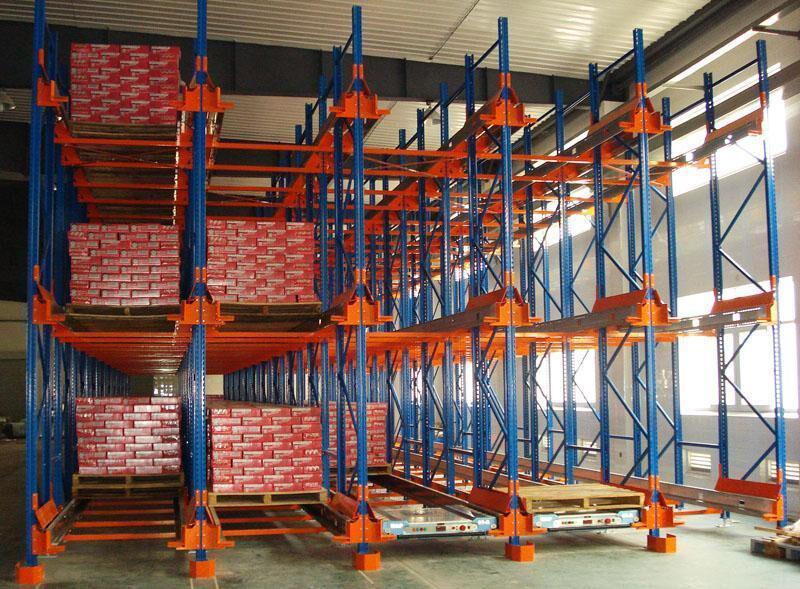
An automated racking system for warehouse operations is a technology-driven storage solution that uses mechanical and digital controls to store and retrieve items with minimal human intervention. Unlike traditional static shelving, these systems integrate hardware like cranes, conveyors, and shuttles with software for inventory management. They are designed to maximize vertical space, improve accuracy, and speed up order fulfillment.
These systems vary widely, from unit-load AS/RS for pallets to mini-load systems for smaller items. The core idea is to automate the movement and tracking of goods within the warehouse. By implementing an automated racking system, warehouses can handle higher volumes with precision, reducing reliance on manual labor and minimizing operational bottlenecks.
Core Benefits: How Automated Racking Stacks Up Against Traditional Methods
When comparing an automated racking system for warehouse applications to manual setups, the advantages are clear. First, space utilization improves dramatically. Automated systems can use ceiling height effectively, often doubling or tripling storage density compared to conventional racks. This is crucial for urban warehouses where floor space is expensive.
Second, accuracy and speed see significant boosts. Automated systems reduce human error in picking and placing items, leading to fewer shipping mistakes and returns. Studies show that warehouses using automation can achieve pick accuracy rates over 99.9%. Additionally, retrieval times are faster, enabling same-day or next-day shipping capabilities that customers now expect.
Third, labor costs and safety improve. While an automated racking system for warehouse use requires upfront investment, it reduces long-term labor expenses by handling repetitive tasks. It also minimizes workplace accidents associated with manual lifting and forklift operations. In contrast, traditional systems often struggle with scalability and are prone to inefficiencies during peak seasons.
Selecting the Right Automated Racking System: A Step-by-Step Guide
Choosing the best automated racking system for your warehouse isn't one-size-fits-all. Start by assessing your inventory profile. Consider factors like item size, weight, turnover rate, and variety. For instance, high-turnover small parts might benefit from a mini-load automated system, while palletized goods may require a unit-load solution.
Next, evaluate integration needs. Your automated racking system for warehouse operations should seamlessly connect with existing Warehouse Management Software (WMS) or Enterprise Resource Planning (ERP) systems. Compatibility ensures real-time inventory tracking and smooth data flow. Also, think about scalability—can the system expand as your business grows? Opt for modular designs that allow easy upgrades.
Finally, consider throughput requirements. Calculate the number of transactions per hour and peak demand periods. This will guide you toward systems with appropriate speed and capacity. Don't overlook maintenance support; reliable suppliers should offer service plans to minimize downtime. By following these steps, you can tailor an automated racking solution that aligns with your specific warehouse challenges.
Finding Suppliers and Services for Your Automated Racking Project
Sourcing a reliable provider for an automated racking system for warehouse implementation is critical. Begin by researching industry specialists who focus on material handling automation. Look for companies with proven track records, case studies, and client testimonials. Trade shows and online directories can be valuable resources for identifying potential suppliers.
When vetting suppliers, ask about their experience with similar warehouse sizes and industries. A good partner will conduct a site assessment to understand your layout and workflow. They should offer end-to-end services, from design and installation to training and ongoing support. Be wary of vendors who push generic solutions without customization.
Additionally, check for certifications and compliance with safety standards. The right supplier will help you navigate regulations and ensure the automated racking system meets local codes. Building a long-term relationship is key, as automation systems require periodic updates and troubleshooting. Investing time in supplier selection can prevent costly mistakes down the line.
Cost Analysis: Breaking Down Investment and Return on Investment
The cost of an automated racking system for warehouse use can vary widely, typically ranging from hundreds of thousands to millions of dollars, depending on scale and complexity. Key factors influencing price include system type, warehouse size, customization needs, and software integration. For example, a basic shuttle-based system might cost less than a fully robotic AS/RS with advanced AI controls.
Beyond upfront costs, consider operational savings. An automated racking system reduces labor expenses by up to 70% in some cases, through reduced workforce needs and higher productivity. Energy efficiency gains, from optimized lighting and reduced equipment use, also contribute to lower utility bills. Moreover, improved inventory accuracy cuts losses from shrinkage and errors.
Return on investment (ROI) often spans 2 to 5 years. Calculate ROI by comparing initial outlays against long-term savings in labor, space, and error reduction. Many businesses find that the efficiency gains from an automated racking system for warehouse operations justify the investment, especially in high-volume environments. Financing options, like leasing or phased implementation, can make costs more manageable for smaller warehouses.
Technology Deep Dive: How Automated Racking Systems Work
Understanding the technology behind an automated racking system for warehouse applications helps in making informed choices. At its core, these systems rely on a combination of hardware and software. Hardware includes structural racks, retrieval machines like cranes or shuttles, and conveyors for transport. These components are engineered for durability and precision, often using steel frames and motorized drives.
Software is the brain of the operation. A central control system, integrated with WMS, coordinates movements based on inventory data. It uses algorithms to optimize storage locations, ensuring fast-moving items are easily accessible. Modern systems incorporate IoT sensors for real-time monitoring and predictive maintenance, alerting managers to potential issues before they cause downtime.
Emerging trends are enhancing these systems. For instance, some automated racking systems now use machine learning to predict order patterns and adjust storage dynamically. Robotics integration allows for flexible handling of diverse item shapes. This technological evolution makes automated racking systems smarter and more adaptable to changing warehouse demands, driving long-term value.
Frequently Asked Questions (FAQs)
Q1: What is the typical lifespan of an automated racking system for warehouse use?
A1: With proper maintenance, an automated racking system can last 15 to 20 years or more. Regular servicing of mechanical parts and software updates are essential to maximize longevity and performance.
Q2: Can an automated racking system be integrated into an existing warehouse layout?
A2: Yes, many systems are designed for retrofit installations. Suppliers can assess your current space and customize the automated racking system to fit, though modifications might be needed for optimal efficiency.
Q3: How does an automated racking system impact warehouse staffing needs?
A3: While it reduces manual labor for tasks like picking and storing, it often creates new roles for system monitoring, maintenance, and data analysis. Overall, staff can be redeployed to higher-value activities.
Q4: Are automated racking systems suitable for small or medium-sized warehouses?
A4: Absolutely. Scalable solutions exist, such as compact shuttle systems, that make automation affordable for smaller operations. The key is to match the system scale to your budget and throughput requirements.
Q5: What are the common challenges during implementation of an automated racking system?
A5: Challenges include initial downtime during installation, staff training curves, and ensuring software compatibility. Working with an experienced supplier can mitigate these issues through careful planning and support.