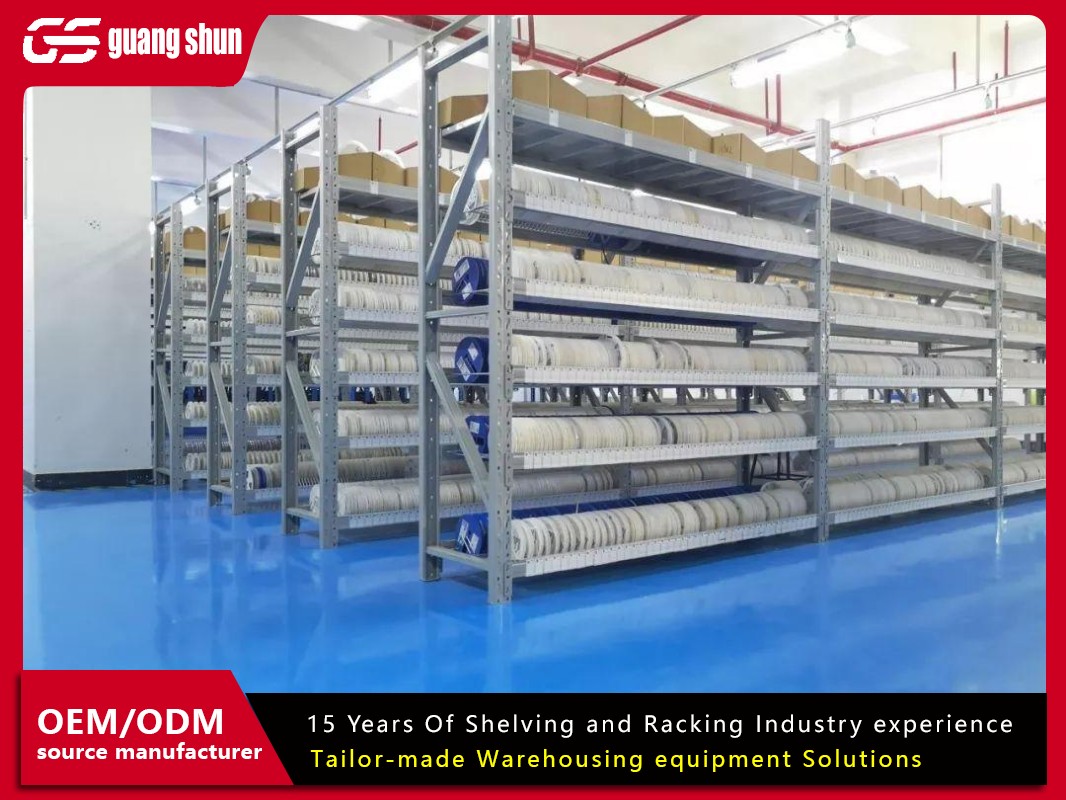
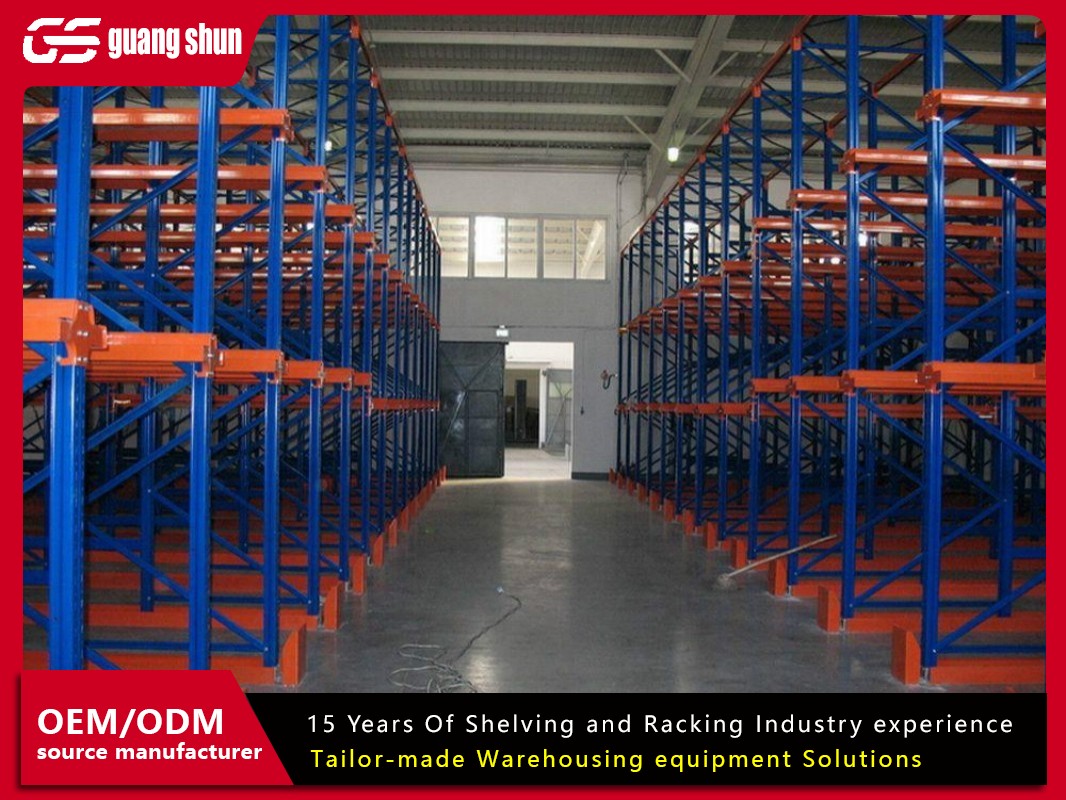
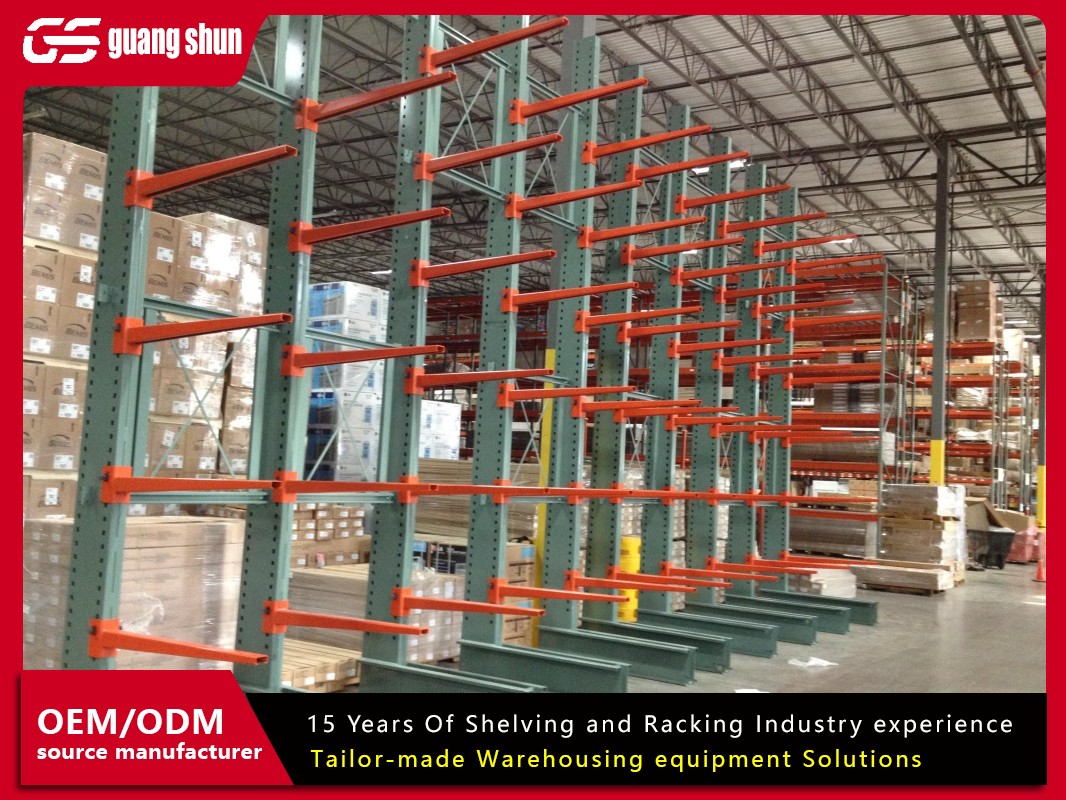
Selecting the right rack manufacturers for your warehouse is a big decision. It's not just about buying shelves; it's about investing in the backbone of your entire operation. The wrong choice can lead to safety hazards, inefficient workflows, and costly replacements down the line.
With so many rack manufacturers in the market, how do you separate the best from the rest? This isn't about finding the cheapest price. It's about finding a partner who understands storage, engineering, and your business goals. Let's break down what really matters when you start talking to potential rack manufacturers.
The Real Difference Between Price and Value
It's tempting to focus on the initial quote. Some rack manufacturers compete fiercely on price, offering seemingly identical configurations for less. But this is often where the most critical compromises happen.
Lower-priced systems might use thinner gauge steel, less robust connectors, or inferior paint finishes. The cost difference shows up later—in reduced weight capacity, faster wear and tear, and a shorter system lifespan. Reputable rack manufacturers provide detailed specifications that justify their pricing.
Think about the total cost of ownership. A slightly more expensive system from a quality-focused rack manufacturer that lasts 20 years is far more valuable than a cheap one that needs replacing in 10. Consider downtime, product damage from failures, and potential safety liabilities. The value lies in reliability and safety, not just the initial invoice.
Why Engineering and Design Support Isn't Optional
Not all storage needs are the same. You might need a simple selective pallet rack, or your operation could require a complex multi-tier mezzanine with integrated shelving. This is where the technical expertise of rack manufacturers becomes crucial.
Top-tier rack manufacturers employ in-house engineers. These professionals don't just sell a catalog item; they analyze your needs. They look at your inventory profiles, floor plans, ceiling height, and equipment like forklifts. Then, they create a custom design that maximizes your cube and ensures structural integrity.
They will provide detailed load capacity charts and layout drawings. This service is vital for compliance with local building codes and safety regulations. Avoid rack manufacturers that offer a one-size-fits-all solution without asking detailed questions about your specific application. Proper design is the foundation of a safe and efficient racking system.
The Importance of Manufacturing Standards and Material Quality
What are the racks actually made of? The answer varies widely among different rack manufacturers. The quality of the raw steel, the precision of the roll-forming process, and the durability of the finish are what determine performance.
High-quality rack manufacturers use consistent, high-grade steel that meets specific industry standards (like ASTM or similar). They control the manufacturing process from coil to finished upright or beam. Look for manufacturers who can explain their steel sourcing and production methods.
The paint finish is more than just color. A superior powder-coat or electrostatically applied finish protects against corrosion, scratches, and chips. This is especially important in environments with humidity or temperature fluctuations. It prevents rust, which can silently weaken the structural metal over time.
Ask potential rack manufacturers about their testing procedures. Do they conduct load tests on random samples? What quality control checks are in place during manufacturing? The answers will tell you a lot about their commitment to product integrity.
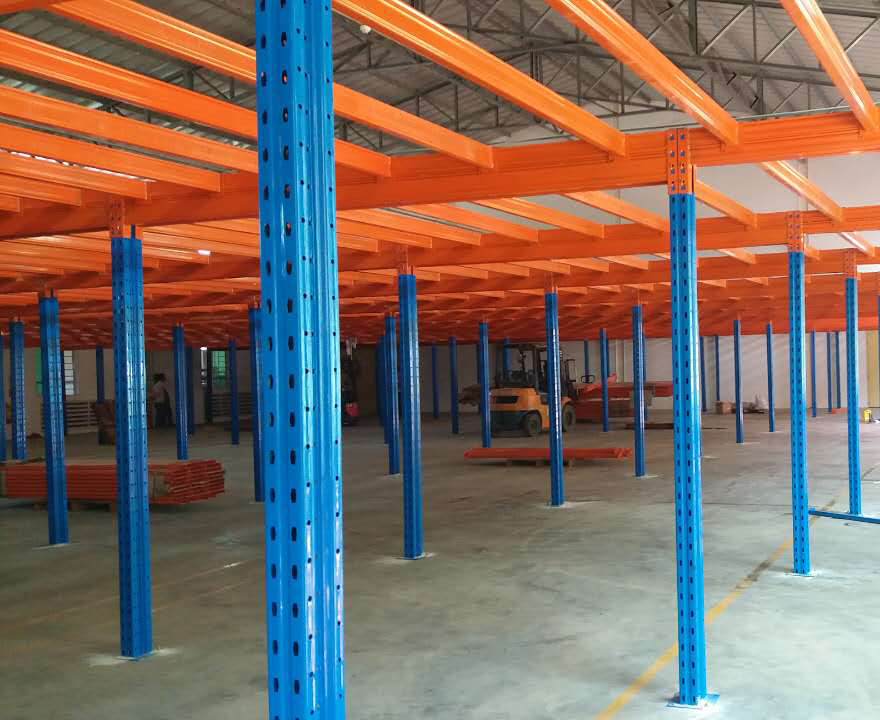
Safety First: How Leading Rack Manufacturers Approach Compliance
Warehouse racking carries inherent risks. Collapses, even partial ones, can be catastrophic. The leading rack manufacturers treat safety as a core part of their product, not an afterthought.
This starts with designing to recognized standards, such as those from the Rack Manufacturers Institute (RMI) in North America or similar bodies globally. These standards dictate design protocols, safety factors, and testing methods. Reputable rack manufacturers will design and stamp their plans according to these guidelines.
They also provide comprehensive safety accessories and emphasize their use. This includes critical items like column guards, aisle-end protectors, rack guards, and proper load beams. Their documentation will clearly state maximum load capacities and configuration rules.
Furthermore, they educate their customers. They provide clear installation manuals, safety inspection guidelines, and warnings about the dangers of unapproved modifications. Choosing a manufacturer that prioritizes safety is a direct investment in protecting your people, your inventory, and your business.
Delivery, Installation, and Ongoing Support Logistics
The relationship with your rack manufacturer doesn't end when you sign the purchase order. The logistics of getting the system to you and installed correctly are a major part of the project.
Reliable rack manufacturers have a clear process. They provide realistic lead times based on current production schedules, not optimistic guesses. They handle packaging and shipping to prevent damage in transit—bent components are a common headache with poorly shipped racks.
Many top rack manufacturers either have certified installation teams or can recommend experienced local contractors. Proper installation is non-negotiable. An expertly engineered rack can fail if it's not bolted down correctly, perfectly plumb, and assembled with the right torque specifications.
After installation, what happens if you need additional beams or want to expand? A good manufacturer maintains inventory of components and can supply compatible parts years later. Their support team should be accessible for technical questions about reconfiguration or load changes.
Evaluating the Company's Experience and Reputation
You're not just buying a product; you're choosing a company. The experience and reputation of rack manufacturers are strong indicators of what you can expect.
How long have they been in business? While new companies can be innovative, a long track record suggests stability and proven performance. Look for rack manufacturers with experience in your specific industry—whether it's cold storage, automotive, e-commerce, or retail distribution.
Seek out customer testimonials and case studies. Don't just look at glossy marketing photos. Look for details about how the manufacturer solved a specific storage challenge. Can they provide references you can contact?
Check their standing with industry associations. Membership in groups like the RMI or Material Handling Institute (MHI) shows a commitment to industry best practices and ongoing education. It also means they are networked into the latest safety and design developments.
The Customization and Flexibility Factor
Your warehouse is unique. The best rack manufacturers offer solutions, not just standard products. The ability to customize is a key differentiator.
This could mean manufacturing beams with unusual lengths or heights to fit an odd building layout. It could involve creating special connections for integrating a mezzanine deck. It might mean offering a wider range of finishes for specific environments.
Ask about their flexibility. If you need to modify the system in three years to handle a different pallet size, can they accommodate that? Do they offer design consultations for future expansion phases?
A manufacturer that listens to your unique problems and develops tailored solutions is a true partner. They help you future-proof your investment, ensuring your storage system can evolve alongside your business.
Making the final choice between rack manufacturers requires weighing all these factors. It's a significant capital investment that will impact your daily operations for decades. By focusing on engineering quality, safety ethos, material integrity, and long-term partnership, you'll find a manufacturer that delivers not just racks, but peace of mind and operational excellence.
Frequently Asked Questions
Q1: What's the most important question to ask rack manufacturers during the selection process?
A1: Ask for evidence of third-party engineering review or compliance with major industry standards (like RMI/ANSI MH16.1). This goes beyond sales claims and verifies that their designs are independently validated for safety and load capacity.
Q2: Can I mix and match components from different rack manufacturers?
A2: It is strongly discouraged and often violates the warranty and safety certifications. Components from different rack manufacturers are not engineered to work together. Intermixing can create unpredictable stress points and lead to system failure.
Q3: How do I assess the true quality of the steel used by rack manufacturers?
A3: Request a detailed specification sheet. Look for the steel grade (e.g., ASTM A1011), yield strength (often 50 KSI or higher is good), and minimum thickness. Reputable rack manufacturers will be transparent with this data and may even provide mill certificates.
Q4: What should I do if my chosen rack manufacturer has a long lead time?
A4: Use the time wisely. A long lead time from a reputable manufacturer is often better than a fast shipment from an unreliable source. During the wait, finalize your site preparation (floor leveling, lighting, etc.) and plan the installation logistics in detail.
Q5: Do all rack manufacturers offer installation services?
A5: No, this varies. Some have their own certified crews, some partner with trusted network installers, and others may only supply the materials. Always clarify this upfront. If they don't install, ask for a detailed list of installation requirements and torque specs to give to your contractor.