Warehouse rack design is a critical aspect of modern logistics and storage operations. Getting it right can boost efficiency, maximize space, and reduce costs. A well-planned warehouse rack design ensures smooth workflows and enhances safety. In this article, we’ll break down key considerations to help you optimize your storage systems.
Many businesses overlook the importance of tailored warehouse rack design. This can lead to wasted space, higher expenses, and operational delays. By focusing on practical steps, you can transform your warehouse into a more productive environment.
What is Warehouse Rack Design?
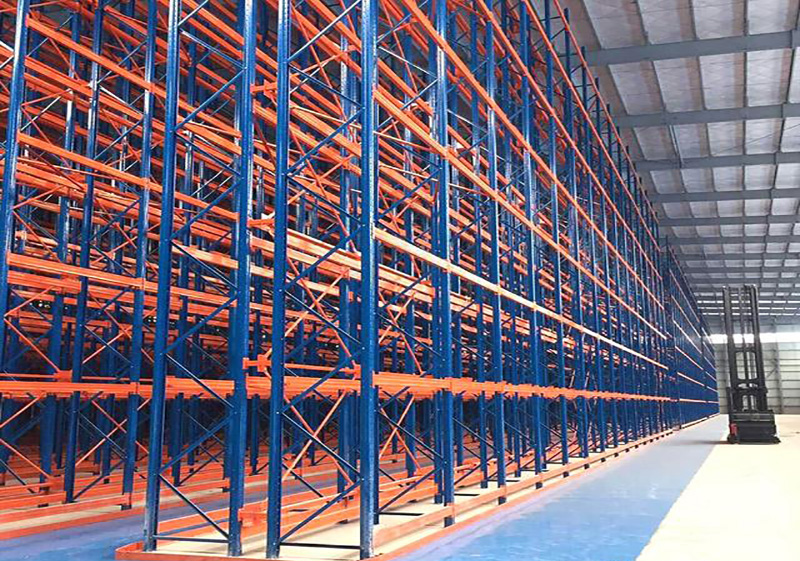
Warehouse rack design refers to the process of planning and configuring storage racks in a warehouse. It involves selecting rack types, arranging layouts, and ensuring compatibility with inventory needs. Good warehouse rack design balances space utilization with accessibility.
Effective design considers factors like load capacity, aisle width, and material flow. It’s not just about installing shelves; it’s about creating a system that supports your business goals. A poor warehouse rack design can hinder operations, while a smart one boosts productivity.
Key elements include rack height, depth, and configuration. These choices impact how quickly items can be stored and retrieved. Always start by assessing your current and future storage requirements.
Key Factors in Warehouse Rack Design
Several factors influence successful warehouse rack design. First, understand your inventory profile. This includes item sizes, weights, and turnover rates. Heavy items may need sturdy racks, while fast-moving goods require easy access.
Second, consider warehouse dimensions. Ceiling height, floor space, and column positions affect rack placement. Measuring these accurately prevents costly mistakes. Third, think about equipment like forklifts. Aisles must be wide enough for machinery to navigate safely.
Budget is another factor. While investing in quality racks pays off, balance cost with long-term benefits. Lastly, regulations and safety standards guide warehouse rack design. Compliance ensures a secure working environment.
Types of Warehouse Rack Systems
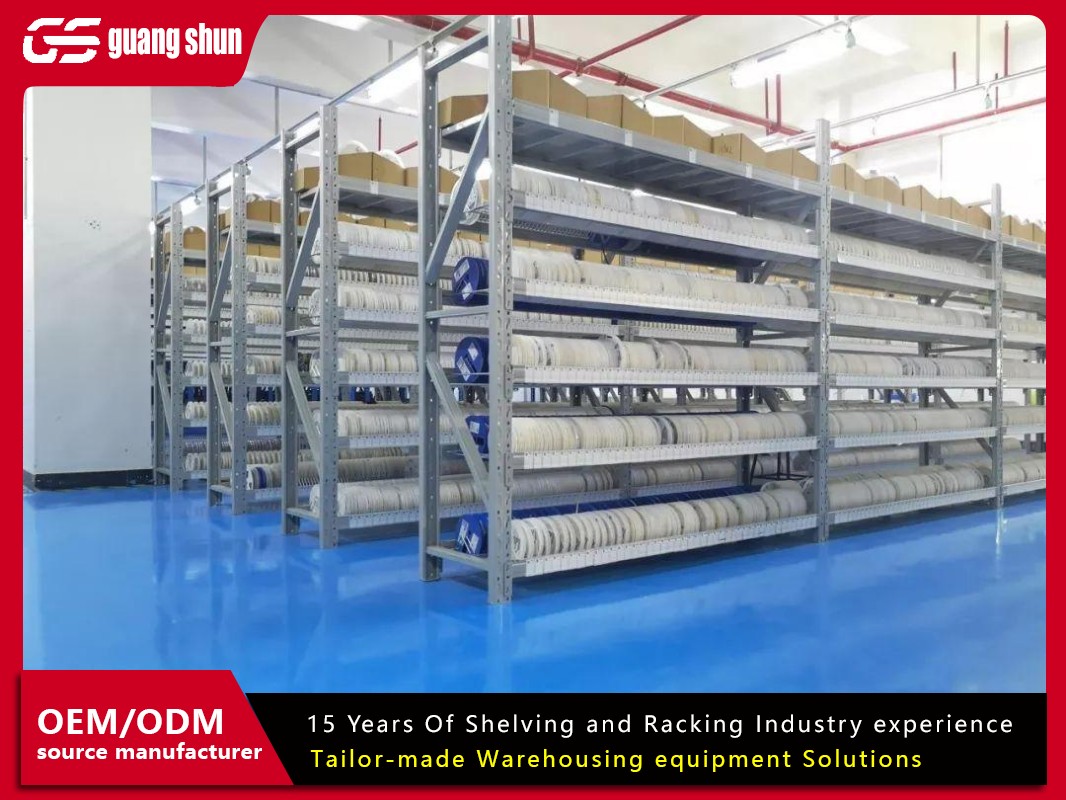
Choosing the right rack system is vital for warehouse rack design. Pallet racking is common for bulk storage. It’s versatile and suits various load types. Selective pallet racks allow direct access to each pallet, ideal for diverse inventory.
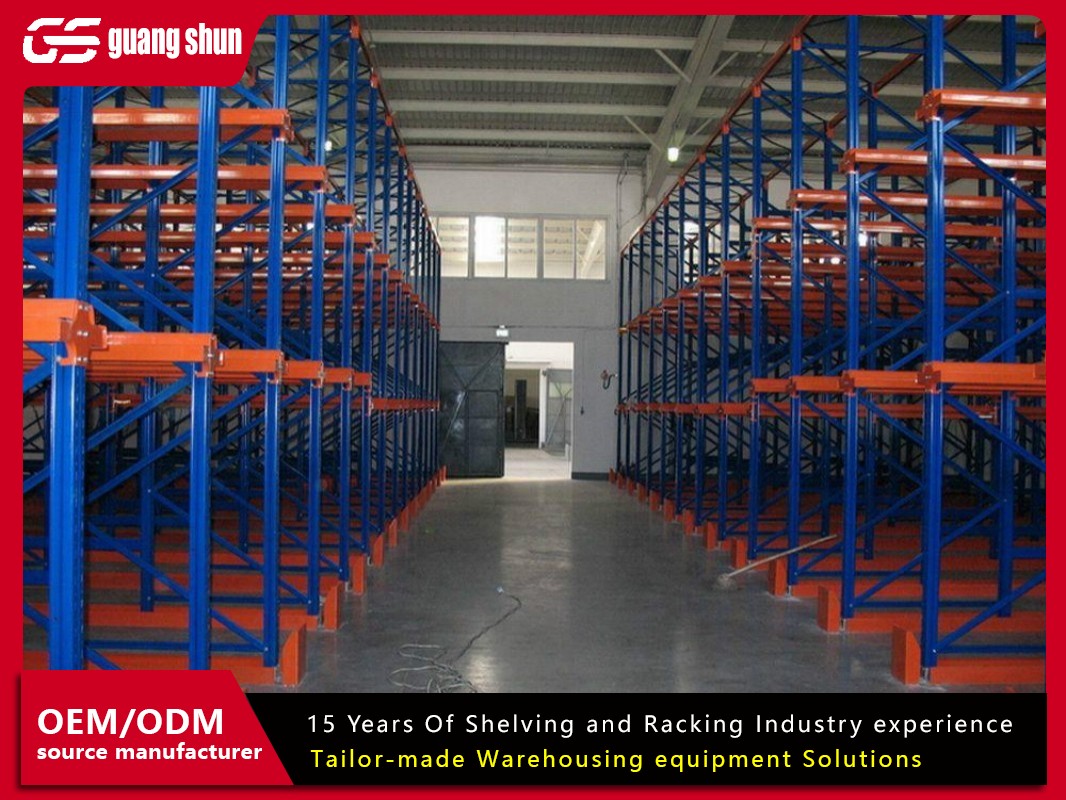
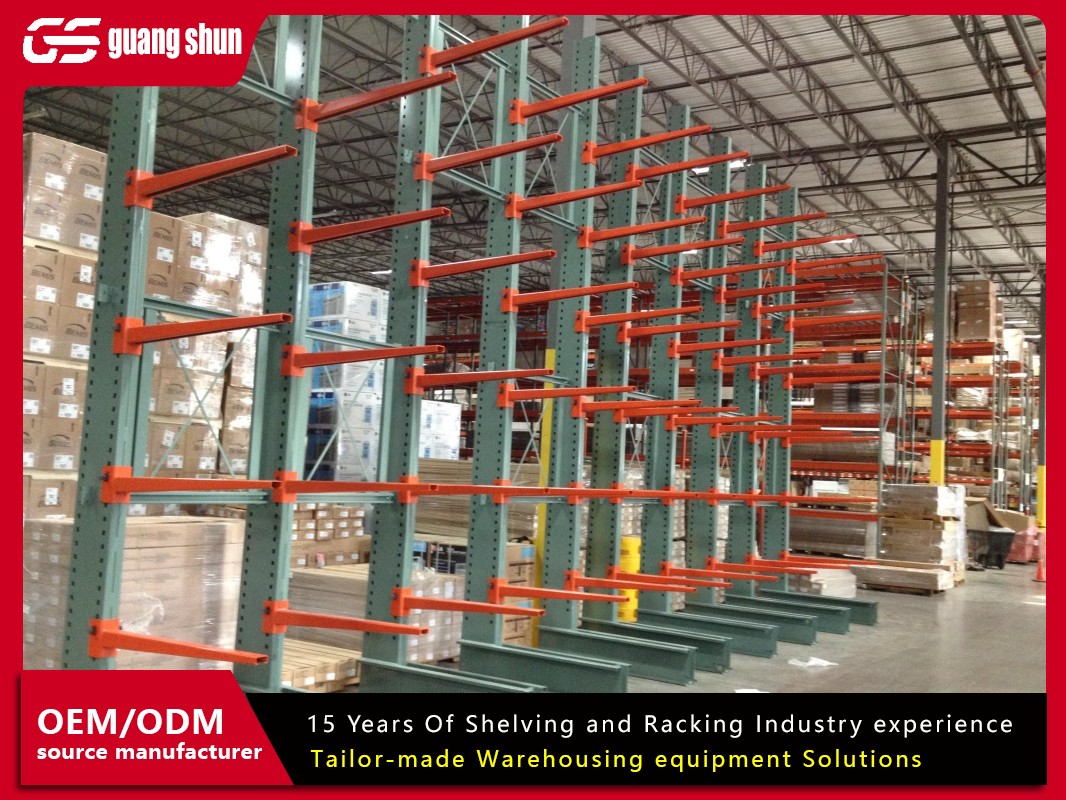
Drive-in or drive-through racks maximize density for homogeneous goods. They use deeper storage but reduce accessibility. Cantilever racks handle long items like pipes or timber. They feature arms that extend from columns, offering flexible storage.
Push-back racks allow multiple pallets deep with last-in, first-out access. They improve space use without sacrificing selectivity. For small parts, mezzanine racks add vertical levels. They double storage in the same footprint. Each type impacts overall warehouse rack design efficiency.
Planning Your Warehouse Rack Layout
Layout planning is a core part of warehouse rack design. Start by mapping your warehouse floor. Identify obstructions like doors or columns. Then, decide on aisle configurations. Narrow aisles save space but may require specialized equipment.
Group similar items together based on frequency of use. High-turnover products should be near shipping areas. This reduces travel time. Use software or sketches to visualize the warehouse rack design. This helps spot potential issues early.
Consider future growth. Design layouts that allow easy expansion or reconfiguration. Flexibility in warehouse rack design prevents costly overhauls later. Test layouts with mock-ups or simulations to ensure practicality.
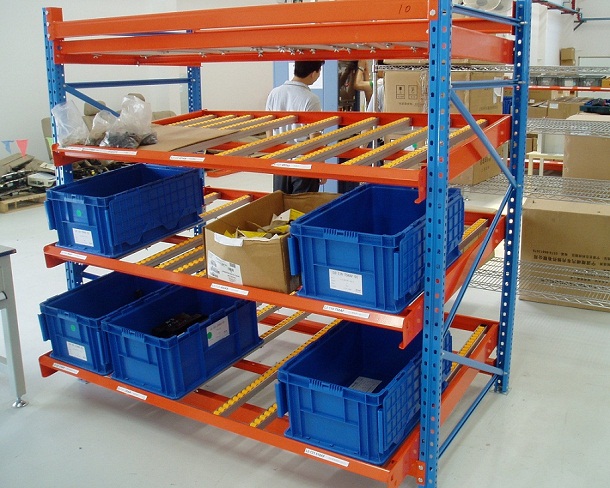
Safety Considerations in Rack Design
Safety is non-negotiable in warehouse rack design. Overloading racks can lead to collapses and injuries. Always adhere to load capacity ratings. Install safety features like column guards and anti-collapse mesh.
Regular inspections are crucial. Check for damage or wear that compromises integrity. Train staff on proper loading and unloading techniques. Clear labeling of weight limits and zones enhances safety.
Earthquake and seismic factors matter in some regions. Reinforce racks if needed. A safe warehouse rack design protects both people and inventory. It also reduces liability risks and downtime.
Cost-Effective Rack Design Strategies
Smart warehouse rack design can cut costs without sacrificing quality. Use vertical space efficiently. Higher racks increase storage density, lowering per-square-foot expenses. However, ensure equipment can reach top levels.
Consider used or modular racks for budget-friendly options. They offer flexibility and can be adjusted as needs change. Optimize inventory management to reduce excess storage. This minimizes the rack space required.
Prevent over-designing. Focus on what you truly need now and in the near future. Investing in durable materials reduces maintenance costs. A cost-effective warehouse rack design balances initial outlay with long-term savings.
Future Trends in Warehouse Rack Design
Warehouse rack design is evolving with technology. Automation is becoming more common. Robotic systems and automated storage and retrieval systems (AS/RS) integrate with racks for higher efficiency.
Sustainable materials are gaining popularity. Recycled steel and eco-friendly coatings reduce environmental impact. Data analytics helps optimize warehouse rack design by predicting inventory patterns and space needs.
Adjustable and scalable racks are trending. They allow quick adaptation to market changes. As e-commerce grows, warehouse rack design must support faster order fulfillment. Staying updated on trends ensures your design remains competitive.
Warehouse rack design is a foundational element of efficient storage. By focusing on factors like layout, safety, and cost, you can create a system that enhances productivity. Remember to assess your specific needs and plan for flexibility.
Implementing these steps in your warehouse rack design process will yield tangible benefits. Start with a thorough analysis and consult experts if needed. A well-designed rack system is an investment that pays off over time.
Frequently Asked Questions
Q1: What is the most important factor in warehouse rack design?
A1: The most important factor is understanding your inventory profile, including item sizes, weights, and turnover rates. This ensures the warehouse rack design meets practical storage needs and maximizes efficiency.
Q2: How often should warehouse racks be inspected for safety?
A2: Warehouse racks should be inspected regularly, at least annually, or more frequently in high-usage environments. Immediate checks are needed after any impact or incident to maintain a safe warehouse rack design.
Q3: Can I mix different types of rack systems in one warehouse?
A3: Yes, mixing rack systems can optimize warehouse rack design. For example, use pallet racking for bulk items and cantilever racks for long goods, but ensure the layout supports smooth workflow and safety.
Q4: What are common mistakes to avoid in warehouse rack design?
A4: Common mistakes include ignoring load capacities, neglecting future growth, and creating narrow aisles without proper equipment. A poor warehouse rack design can lead to inefficiencies and hazards.
Q5: How does warehouse rack design impact overall operational costs?
A5: An efficient warehouse rack design reduces operational costs by maximizing space utilization, minimizing travel time for retrievals, and lowering maintenance expenses. It also enhances safety, reducing accident-related costs.