If you manage a warehouse, pallet racking standards are not just paperwork. They are the backbone of safety and efficiency. Ignoring them can lead to accidents, fines, and costly downtime.
This article breaks down the key standards you need to know. We'll explain why they matter and how to apply them in your daily operations.
Why Pallet Racking Standards Exist
Pallet racking standards exist for one primary reason: safety. A collapsed racking system is dangerous and expensive. Standards provide a common set of rules for design, testing, and use.
They ensure that racks from different manufacturers have predictable performance. They also give you a benchmark for maintenance and inspection. Following recognized pallet racking standards reduces liability and protects your team.
In many regions, these standards form the basis of legal health and safety regulations. Non-compliance isn't just risky; it can be illegal.
The Major Standards and Codes You Should Know
Several key organizations publish pallet racking standards. The specifics may vary by country, but the principles are similar globally.
In North America, the Rack Manufacturers Institute (RMI) sets the widely accepted standard, ANSI MH16.1. This details design, testing, and use of industrial steel storage racks. It's considered the bible for pallet racking standards in the U.S. and Canada.
In Europe and many other regions, the FEM 10.2.02 standard is crucial. It provides comprehensive guidelines for the design of static steel pallet racking.
Beyond these, local building codes and occupational safety regulations always apply. Your pallet racking standards must align with these legal requirements.
Design and Load Capacity Standards
At the heart of pallet racking standards are the rules for design and load capacity. This isn't about guessing weights. It's about precise engineering.
Standards like ANSI MH16.1 specify how to calculate the Ultimate Design Load (UDL) and the Recommended Maximum Load (RML). The RML is what you see on the load application and capacity plates.
These calculations consider the rack's configuration, beam length, and upright frame strength. They also account for seismic and wind forces where applicable. Proper adherence to these pallet racking standards ensures the structure can handle your inventory's weight, both now and over its lifespan.
Never exceed the posted RML. It is the single most important rule in pallet racking standards.
Installation and Tolerance Guidelines
Even a perfectly designed rack can fail if installed poorly. Pallet racking standards provide strict guidelines for installation.
This includes requirements for floor flatness. A sloped or uneven floor can twist uprights, drastically reducing capacity. Standards specify the maximum allowable deviation.
Plumbness is critical. Upright frames must be vertical within a defined tolerance. Beams must be level and fully seated with locking devices engaged.
Proper anchoring to the concrete floor is mandatory. The standards detail the type, size, and torque specifications for anchors. Skipping or rushing installation steps violates core pallet racking standards and creates immediate risk.
Inspection, Maintenance, and Damage Protocols
Pallet racking standards don't stop once the racks are up. They define ongoing responsibilities for inspection and maintenance.
The RMI and similar bodies publish clear inspection criteria. They categorize damage, like column dents, based on location and depth. A small dent in a specific zone might be acceptable, but a larger one requires immediate action.
Standards often recommend a formal inspection schedule: daily visual checks by operators, and documented annual inspections by a competent person. These protocols are a key part of operational pallet racking standards.
They also outline repair procedures. Some damage can be fixed with engineered repair kits. Severe damage usually requires component replacement. Unauthorized welding or straightening is typically forbidden by pallet racking standards.
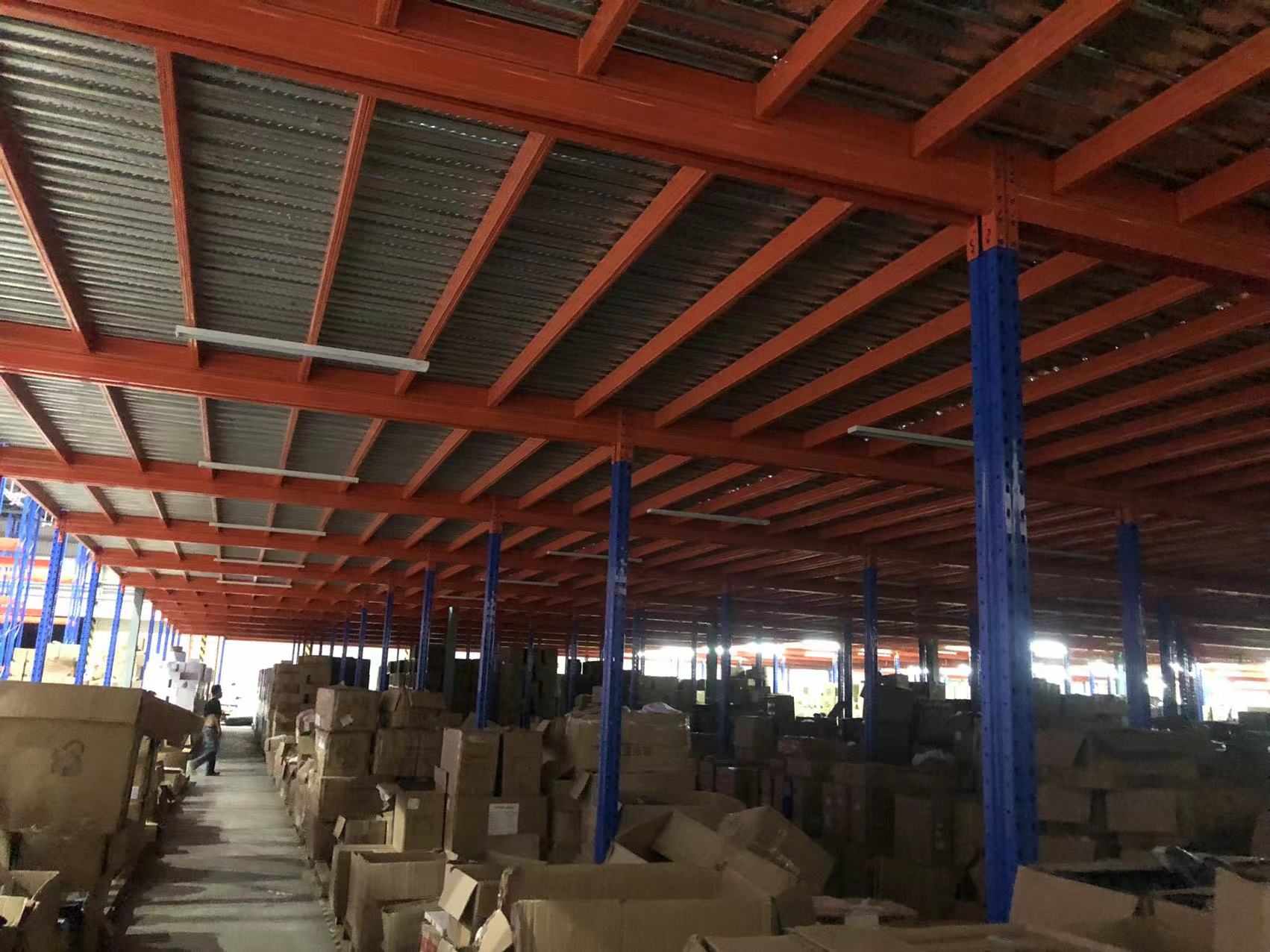
The Role of Load Application and Capacity Plates
A simple but non-negotiable element of pallet racking standards is the load application and capacity plate. This metal tag is fixed to the upright frame.
It's the rack's ID card. It lists the RML for each beam level in various configurations. It shows the model, manufacturer, and design standard used (e.g., ANSI MH16.1).
If this plate is missing, the rack is essentially "out of compliance." You have no verified basis for determining its safe load. Pallet racking standards require these plates to be legible and present at all times.
Never remove or paint over a capacity plate. If it's missing, contact the manufacturer or a qualified engineer for a replacement.
How to Ensure Your Warehouse is Compliant
Achieving compliance with pallet racking standards is an active process. Start with a gap assessment. Compare your current racks and practices against the latest version of the relevant standard.
Review all capacity plates. Ensure loads stored do not exceed the RML. Train your entire team, especially forklift operators, on the basics of these standards and the importance of reporting damage.
Establish a formal inspection program. Keep clear records of all annual inspections and any repairs made. When modifying or adding racks, ensure the new components and layout are designed to the current pallet racking standards.
Consider hiring a third-party expert to conduct an audit. They can provide an unbiased view of your compliance status.
Common Misconceptions About Racking Standards
Many warehouse managers operate under dangerous misconceptions. One is that "if it hasn't fallen yet, it's fine." This ignores fatigue and incremental damage.
Another is that standards are just recommendations. In the eyes of regulators and courts, they are the established measure of due care. Ignoring them can be seen as negligence.
Some believe all racks are the same and components can be mixed freely. Pallet racking standards clearly warn against inter-mixing components from different manufacturers or generations. This voids engineering certifications and is extremely hazardous.
Understanding and applying pallet racking standards is a fundamental part of professional warehouse management. It protects your people, your product, and your business.
Frequently Asked Questions (FAQ)
Q1: Are pallet racking standards legally enforced?
A1: Yes, in most jurisdictions. While the standards themselves (like ANSI or FEM) are often technically "voluntary," they are routinely adopted into local building codes and workplace safety regulations. Health and safety inspectors use them as the benchmark for compliance, and non-compliance can result in fines, work stoppages, or legal liability in case of an accident.
Q2: How often should we have our pallet racking professionally inspected?
A2: Most pallet racking standards and safety guidelines recommend a formal, documented inspection by a "competent person" at least once per year. High-traffic areas, harsh environments, or sites with a history of impacts may require more frequent checks. Additionally, forklift operators should perform a visual check before each shift.
Q3: What is the most common violation of pallet racking standards?
A3: Exceeding the Recommended Maximum Load (RML) is a very common violation. This happens when heavier products are stored than the rack was rated for, or when loads are unevenly distributed. The second most common is unaddressed damage from forklift impacts, such as bent upright columns or dislodged beam locks.
Q4: Can we repair a damaged upright frame ourselves?
A4: It depends on the damage and the standard. Minor issues might be addressed with a manufacturer-approved repair kit (like a column splice). However, pallet racking standards generally prohibit unapproved welding, straightening, or heating of damaged components, as this can weaken the steel. Significant damage usually requires replacement of the entire upright frame. Always consult the manufacturer or a qualified rack engineer.
Q5: Is it okay to mix beams and uprights from different manufacturers?
A5: No. This is strongly discouraged and often explicitly forbidden by pallet racking standards. Rack systems are engineered as a complete unit. Components from different manufacturers are not tested together and may have incompatible tolerances, metallurgy, or connector designs. Mixing parts voids engineering certifications and creates a major safety risk of sudden collapse.