Selecting the right pallet racking manufacturer is one of the most critical decisions a warehouse or logistics manager will make. This choice goes far beyond simply buying metal shelves. It impacts your operational safety, storage efficiency, long-term costs, and your ability to scale.
A reliable racking manufacturer provides more than just products. They deliver engineered storage solutions, peace of mind, and a partnership that supports your business growth. The wrong choice can lead to safety hazards, inefficient space use, and costly replacements.
With numerous companies in the market, how do you identify the best partner? The decision shouldn't be based on price alone. Here are five essential factors to evaluate before making your investment.
1. Engineering Expertise and Product Range
The core of a great pallet racking manufacturer lies in their engineering capabilities. This isn't just about bending steel; it's about understanding load dynamics, seismic forces, and warehouse workflows.
Look for a manufacturer with in-house engineering teams. These professionals should be able to provide detailed rack configuration drawings and load calculations. They ensure the system you purchase is designed for your specific floor conditions, inventory weight, and material handling equipment.
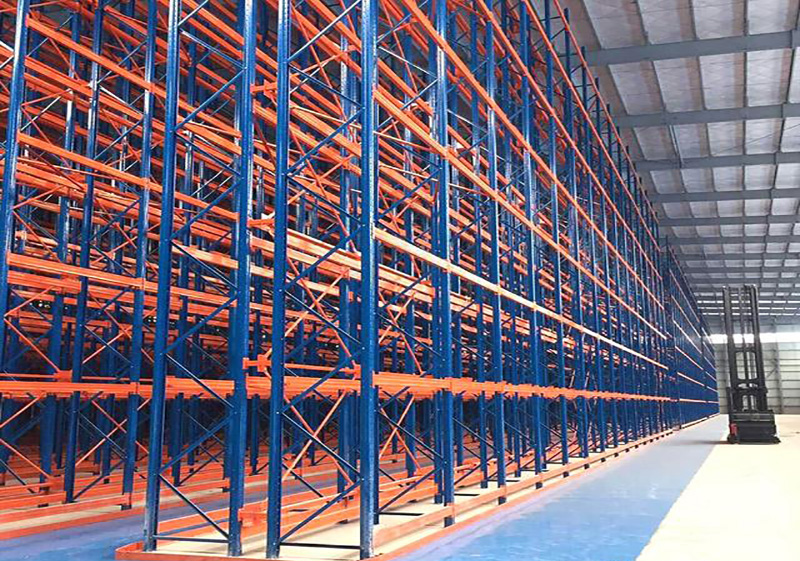
A broad product range is also crucial. The best industrial racking manufacturers offer a comprehensive portfolio. This should include:
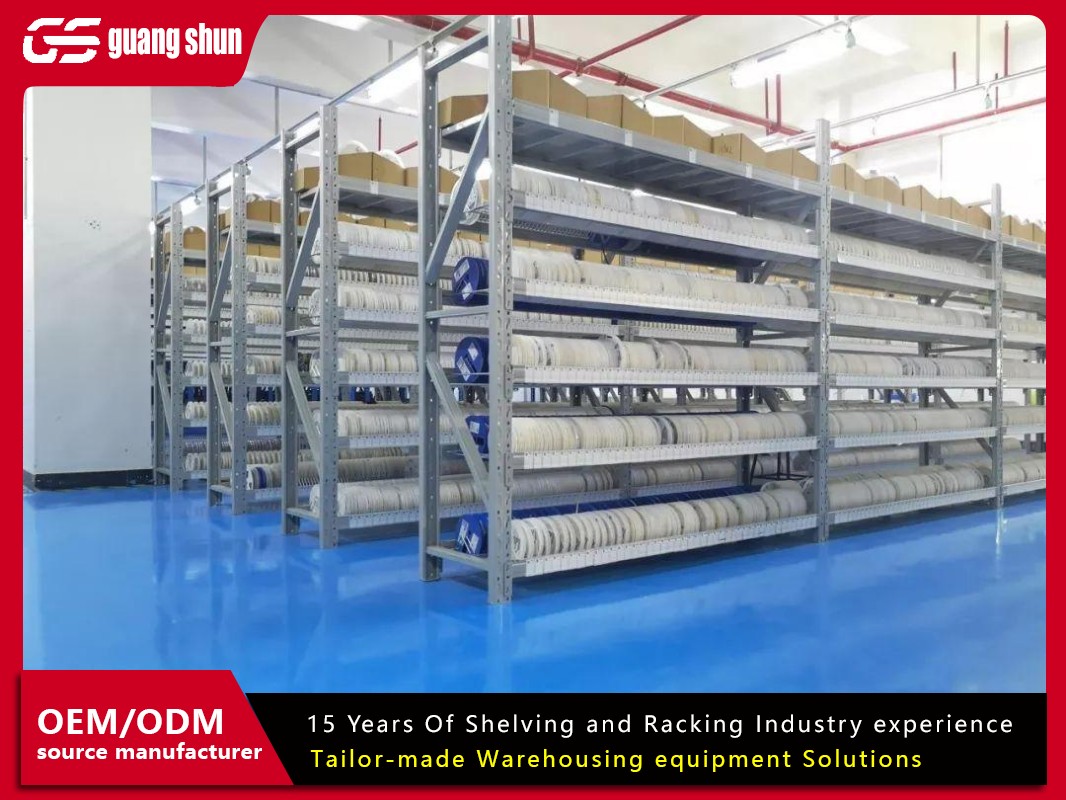
- Selective Pallet Rack
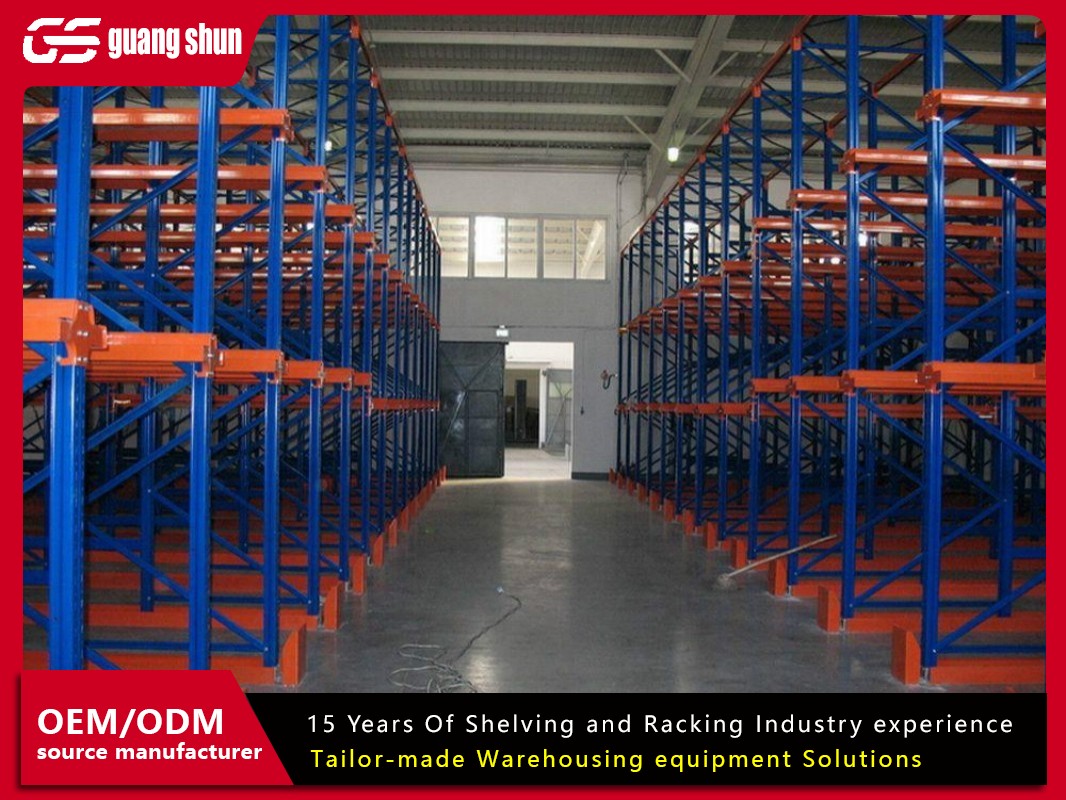
- Drive-In/Drive-Through Rack
- Push Back Rack Systems
- Pallet Flow Rack
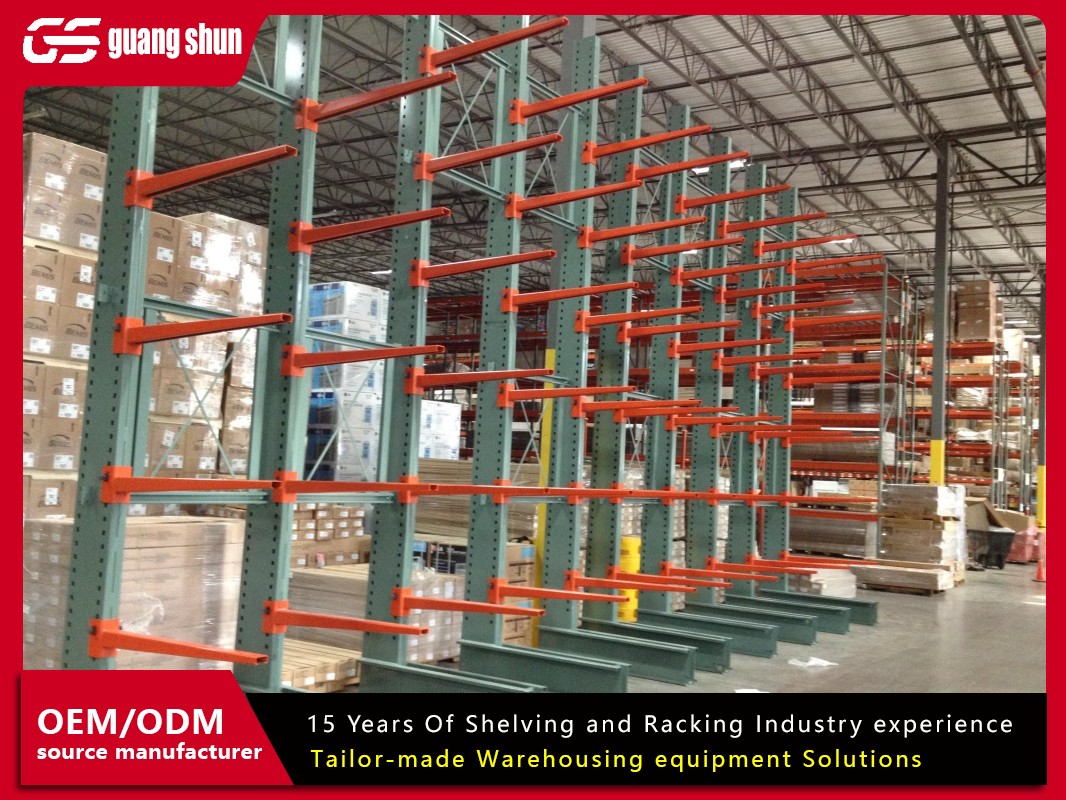
- Cantilever Rack
This variety means they can provide an unbiased recommendation for the system that truly fits your needs, not just the one they happen to sell. A manufacturer with expertise in multiple racking systems demonstrates deeper industry knowledge.
2. Commitment to Quality and Compliance
Your racking system will hold thousands of pounds of inventory, often in a busy environment with people working underneath. There is no room for compromise on quality.
A reputable pallet racking manufacturer adheres to strict national and international standards. In North America, this primarily means the Rack Manufacturers Institute (RMI) standards. Ensure the manufacturer designs, tests, and labels their components in full compliance with RMI/ANSI MH16.1 specifications.
Inspect the quality of raw materials and finishes. High-tensile strength steel is essential. The finish, typically a powder coating or hot-dip galvanizing, should be even and durable to resist corrosion, chipping, and wear.
Ask about their testing procedures. Reputable manufacturers conduct rigorous load testing on their beams and connections. They should provide clear documentation, including load capacity charts and engineering seals for your plans if required by local authorities.
3. Manufacturing Capabilities and Customization
While standard systems work for many, unique warehouse layouts or specialized inventory often require custom solutions. The ability of a pallet racking manufacturer to accommodate these needs is a significant advantage.
Evaluate their manufacturing capabilities. Do they control the process from raw steel coil to finished product? Vertical integration often leads to better quality control, more flexibility, and potentially shorter lead times.
Customization can include:
- Non-standard beam lengths or heights.
- Specialized finishes for cold storage or corrosive environments.
- Modifications for integrating conveyor systems or other automation.
- Reinforced designs for extraordinary load requirements.
A manufacturer willing to collaborate on custom racking solutions shows a commitment to solving your specific problem, not just selling a pre-boxed product.
4. Professional Services: From Design to Installation
The most robust rack components are only as good as the plan behind them and the crew that installs them. The service offering of a pallet racking manufacturer is a key differentiator.
Professional Design & Layout Services: They should offer detailed warehouse layout planning. Using CAD software, their team can optimize your space for density and throughput, creating a comprehensive rack layout that maximizes your cube.
Certified Installation Teams: Improper installation is a leading cause of rack failure. Many top-tier manufacturers have their own trained and certified installation crews or work exclusively with certified partners. This ensures the system is assembled exactly to the engineered specifications.
Ongoing Support and Inspection: Ask about post-installation services. Do they offer routine safety inspection programs? Can they provide spare parts quickly? A true partner supports you for the lifespan of the system.
5. Reputation, References, and Financial Stability
Finally, take time to research the manufacturer’s reputation and stability. You are entering a long-term relationship for a critical infrastructure component.
Request and actually contact customer references. Ask about their experience with the sales process, design support, installation quality, and any post-installation issues. Look for case studies in industries similar to yours.
Check their longevity in the business. A pallet racking manufacturer with a decades-long track record has likely navigated various market cycles and consistently satisfied customers. Financial stability is also important—you need to be confident they will be around in future years to honor warranties and supply replacement parts.
Read independent reviews and industry forum discussions. A strong, positive reputation among logistics professionals is one of the most reliable indicators of a trustworthy manufacturer.
Making Your Final Decision
After evaluating manufacturers against these five factors, you’ll have a clear shortlist. The next step is to request detailed proposals.
A high-quality proposal will be more than a price quote. It should include finalized layout drawings, a complete bill of materials with itemized pricing, load application and rack configuration drawings, a project timeline, and clear warranty terms.
Remember, the cheapest upfront cost often leads to higher total cost of ownership through inefficiency, safety risks, and premature replacement. Invest in a partnership with a pallet racking manufacturer that demonstrates engineering excellence, quality commitment, and a full-service approach. Your warehouse’s safety and efficiency depend on it.
Frequently Asked Questions (FAQ)
Q1: What certifications should I look for from a pallet racking manufacturer?
A1: The most critical certification is compliance with the Rack Manufacturers Institute (RMI) standards, specifically ANSI MH16.1. Reputable manufacturers will design, test, and label their components according to this standard. You can also look for ISO 9001 certification for quality management systems, which indicates consistent manufacturing processes.
Q2: How important is it that the manufacturer also handles installation?
A2: It is highly recommended. A manufacturer-provided or certified installation crew is trained on their specific system’s assembly requirements. This ensures the installation matches the engineered design, all safety protocols are followed, and the warranty remains valid. Improper installation by a third party is a major safety and liability risk.
Q3: Can a manufacturer help me design my warehouse layout from scratch?
A3: Yes, most established pallet racking manufacturers offer professional design services. They will typically request your floor plans, inventory profiles (SKU count, pallet sizes/weights), and throughput goals. Their engineering team will then use this data to create optimized storage solutions layouts to maximize space and efficiency.
Q4: What does a typical warranty from a racking manufacturer cover?
A4: Warranties vary but generally cover defects in materials and workmanship for a specified period (e.g., 10-25 years on structural components). It’s crucial to read the warranty terms. Note that damage caused by forklift impact, overloading, improper installation, or modification is almost never covered. The warranty is usually valid only if the system is installed according to the manufacturer’s specifications.
Q5: What is the lead time I can expect for a new racking system?
A5: Lead times depend on the project’s complexity, system type, and the manufacturer’s current backlog. For standard selective rack configurations, lead times can range from 4 to 12 weeks from order approval to delivery. Custom-engineered systems or large projects will take longer. A reliable pallet racking manufacturer will provide a clear project timeline during the quoting process.