If you run a warehouse, a distribution center, or any space that stores goods on pallets, you've probably asked the question: what is pallet racking? Maybe you're Googling it right now because your floor is a mess, your forklift operators are frustrated, and you know there must be a better way to organize everything.
You're right. There is.
But jumping straight to a purchase is a mistake. Pallet racking is the backbone of modern warehousing, and choosing the wrong system costs you time, money, and safety every single day. This isn't about buying shelves; it's about investing in a structural system for your business.
Let's break down the essentials so you can make a smart decision.
What Is Pallet Racking, Really?
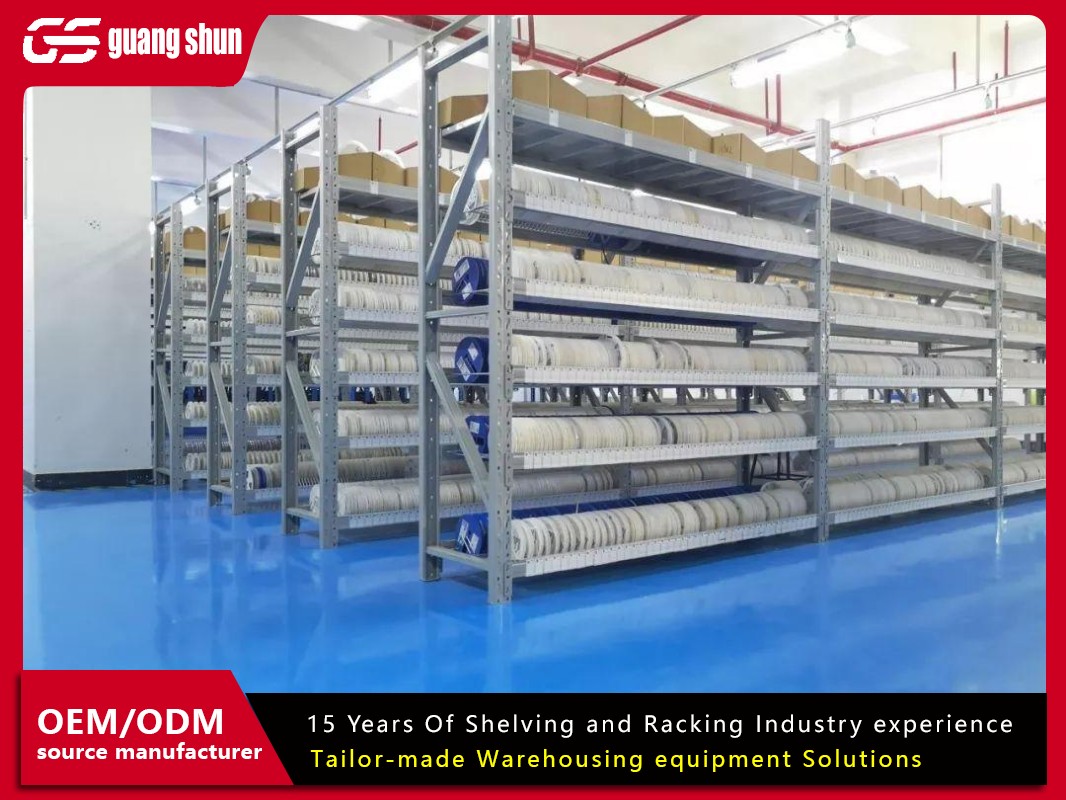
At its core, pallet racking is a material handling storage system designed to store materials on pallets in horizontal rows with multiple levels. It's a steel structure that allows you to stack pallets vertically, using the full height of your building.
Think of it as heavy-duty, adjustable shelving for forklifts. The key components are upright frames (the vertical legs), beams that connect them horizontally, and wire decking or pallet supports. A complete setup is called a pallet racking system.
Its primary job is to provide direct access to every single pallet load. This is what separates it from just piling pallets on top of each other.
The Major Types: It's Not One-Size-Fits-All
Understanding the different types is crucial. The best system for your neighbor might be wrong for you. Here are the most common types of warehouse racking.
Selective Pallet Rack
This is the most common style, the workhorse of the industry. It's what most people picture. Each pallet opening is directly accessible by a forklift. It offers the best flexibility and is ideal for a wide variety of SKUs. If you need random access to all your inventory, this is likely your starting point.
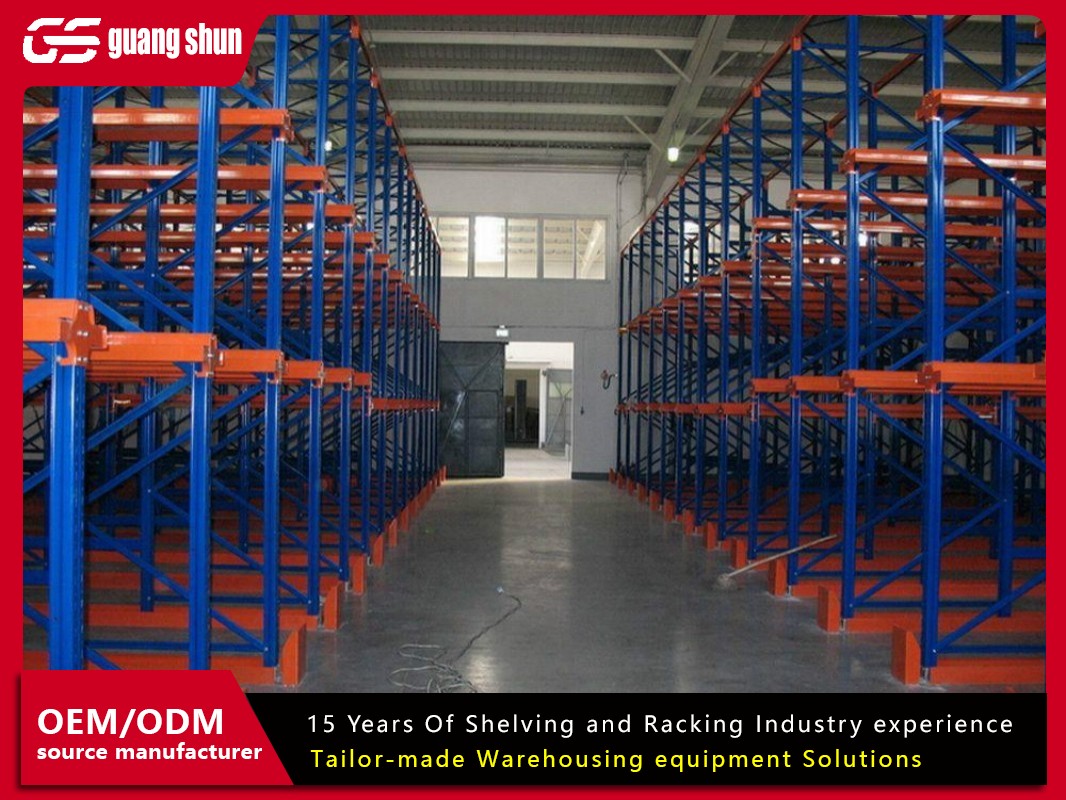
Drive-In/Drive-Thru Rack
This is a high-density system. Forklifts actually drive into the rack structure down lanes. Pallets are stored on rails, with multiple loads deep on each side of the aisle. It's perfect for storing large quantities of the same product (like a beverage warehouse). The trade-off is you lose direct, immediate access to every pallet.
Push-Back Rack
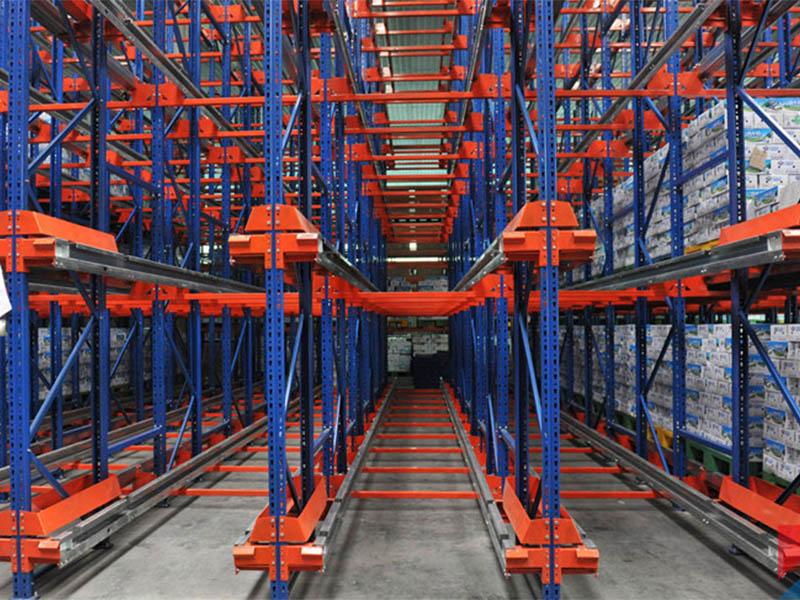
Another high-density option. Pallets are stored on nested carts on an inclined rail, several loads deep. When a new pallet is loaded, it pushes the previous ones back. When retrieving, the next pallet rolls forward. It offers better selectivity than drive-in, as each lane can hold multiple SKUs. It's a good middle-ground for density and accessibility.
Pallet Flow Rack
This system uses gravity. Loads are placed at the high end of a sloped rail and flow to the pick-face at the low end. It's excellent for high-throughput operations with strong FIFO (First-In, First-Out) requirements, like perishable goods.
How to Choose: Matching the System to Your Needs
So, what is pallet racking that's right for your operation? Ask these questions.
First, look at your inventory. How many different SKUs do you have? Do you store full pallets only, or do you do case picking? What is your turnover rate for each product? Fast-moving items have different needs than slow-moving ones.
Second, consider your equipment. What kind of forklifts do you use? Their turning radius and lift height determine your aisle widths. Narrow-aisle forklifts can work with narrower aisles, allowing you to fit more selective rack into the same space.
Third, think about your building. What is the clear height from floor to the lowest overhead obstacle? Every foot of unused vertical space is wasted money. Also, check your floor condition and its load-bearing capacity.
Cost Factors: More Than Just the Price Tag
The initial quote is just one part of the cost. A cheap, poorly designed pallet racking system can become very expensive.
The main cost drivers are the amount of steel, the required load capacity, and any special features like decking or safety guards. Selective rack is generally the least expensive per opening, while high-density systems like push-back rack have a higher initial cost but can store more in the same footprint.
Don't forget "soft" costs. Installation labor, potential concrete floor work, and the cost of downtime during installation all add up. The most important cost to consider is safety. An inadequate system that collapses is catastrophic. Investing in proper engineering and quality components is non-negotiable.
The Technology and Engineering Behind It
Modern warehouse racking is a precisely engineered product. It's not just welded steel.
Quality systems are made from structural-grade steel, formed into specific column and beam profiles. The beams use a safety lock mechanism that prevents them from being accidentally dislodged by a forklift impact.
Engineering calculations determine the beam levels, upright sizes, and overall configuration based on your specified load weights and heights. This ensures the system can handle the stress. In regions with seismic activity, additional bracing and engineering are required.
The best suppliers provide detailed layout drawings and load application drawings before anything is built or shipped.
Installation and Long-Term Safety
Even the best rack is only as good as its installation. A poorly assembled pallet rack is a hazard.
Professional installation is strongly recommended. Crews specialize in this work and have the tools and experience to ensure everything is plumb, level, and securely fastened. They follow strict torque specifications for bolts.
Once it's up, safety is an ongoing practice. This means regular, documented inspections. Look for damage, especially to upright frames. Even a small dent can significantly reduce the frame's load capacity. Enforce strict rules for forklift operators to avoid impacts.
Always, always adhere to the posted load capacities. Overloading is a primary cause of failure.
Finding a Reliable Supplier
Your choice of partner matters. You need more than an equipment vendor; you need a solutions provider.
Look for a supplier with a strong track record. They should ask detailed questions about your operation, not just sell you a catalog item. They must provide professional engineering stamps on their designs.
Ask to see similar projects they've completed. A good partner will help you think through workflow, future expansion, and total cost of ownership. They should offer clear post-sale support for parts, add-ons, and safety guidance.
Frequently Asked Questions (FAQs)
Q1: How is pallet racking different from regular shelving?
A1: Pallet racking is a heavy-duty, structural system designed specifically to hold the extreme weight of loaded pallets (often thousands of pounds per level). It's accessed by forklifts. Regular shelving is lighter, designed for smaller, hand-loaded items and cannot handle palletized weights or forklift interaction.
Q2: Can I install pallet racking myself?
A2: While it's possible for a very handy, experienced crew, it is generally not advised. Improper installation is a major safety risk. Professional installers ensure the structure is perfectly plumb, all connections are torqued to specification, and the entire system meets the engineered design. The risk of collapse isn't worth the savings.
Q3: How do I know what load capacity I need?
A3: You must know the maximum weight of your heaviest pallet load. Your supplier's engineer will use this, along with the desired height and beam level information, to calculate the required beam and upright capacities. Always plan for your heaviest potential load, not just your average.
Q4: What is the most important safety feature?
A4: Beyond proper engineering and installation, column protectors (or post protectors) are critical. These are steel guards placed around the base of uprights to absorb the impact of a forklift, preventing damage that could weaken the entire structure. All aisles should have them.
Q5: Can I reconfigure or expand my system later?
A5: Yes, one of the key benefits of selective pallet rack is its adjustability. Beams can be unclipped and moved to different heights on the upright frames. You can also add more upright frames and beams to extend a run. Always consult your supplier or an engineer if making significant changes to ensure the overall structure remains sound.