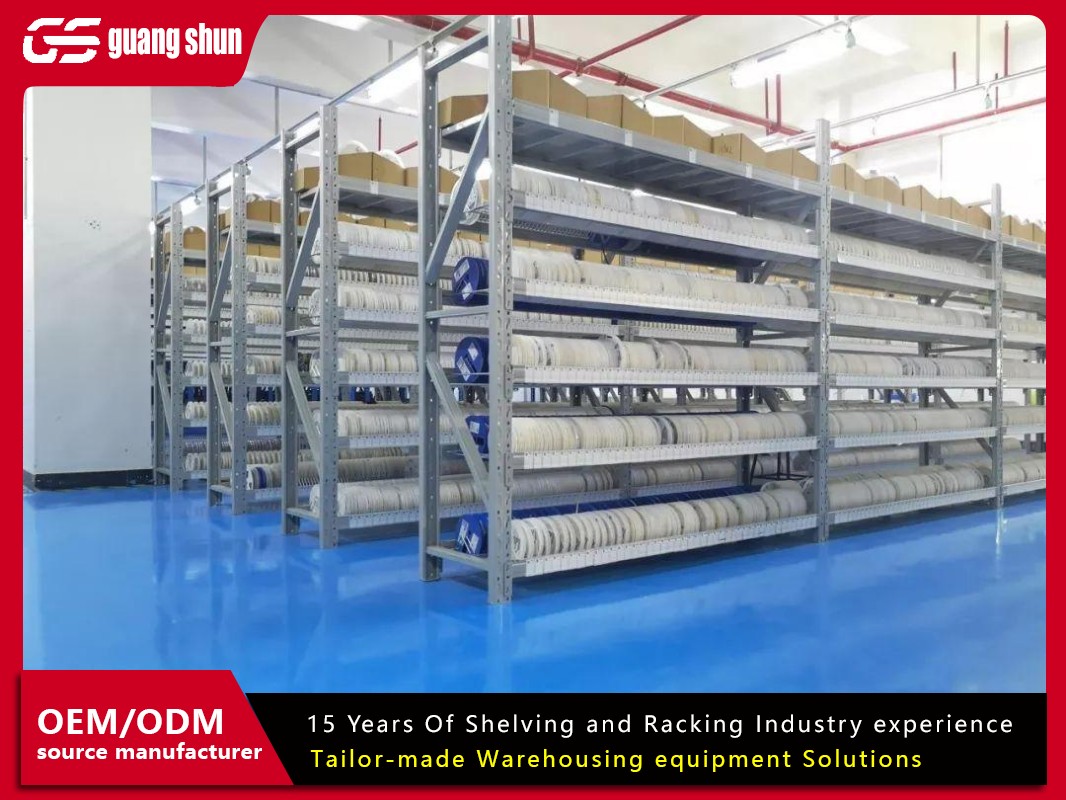
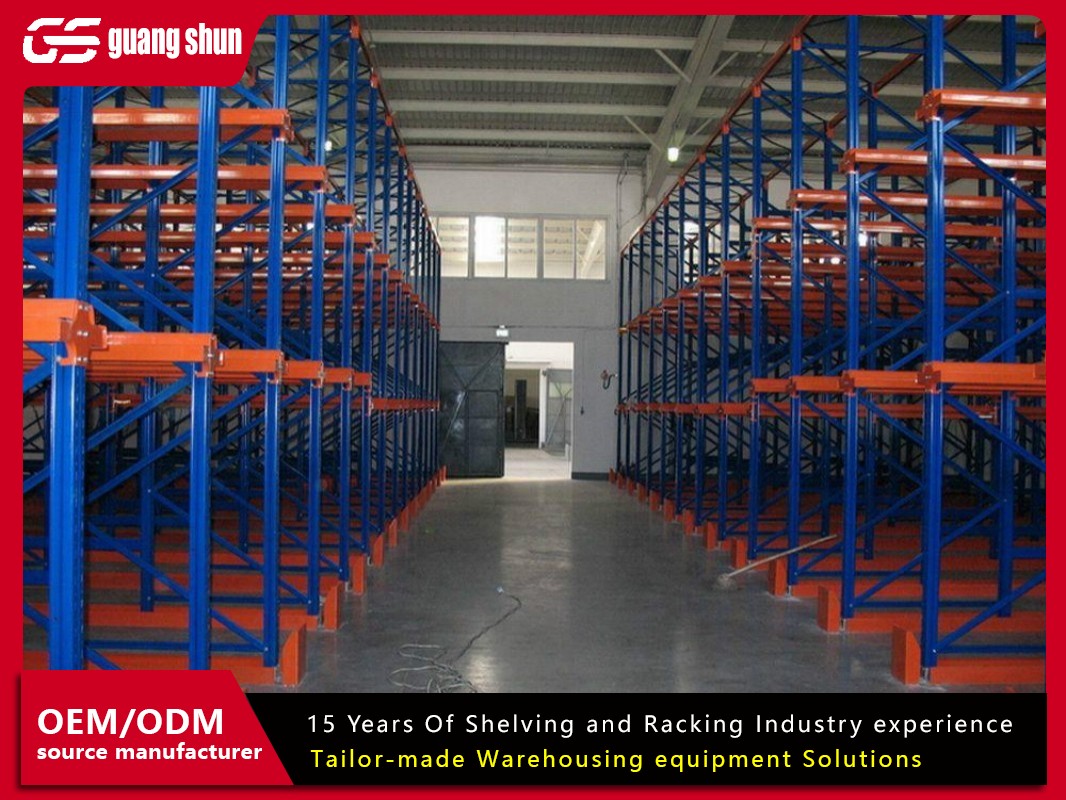
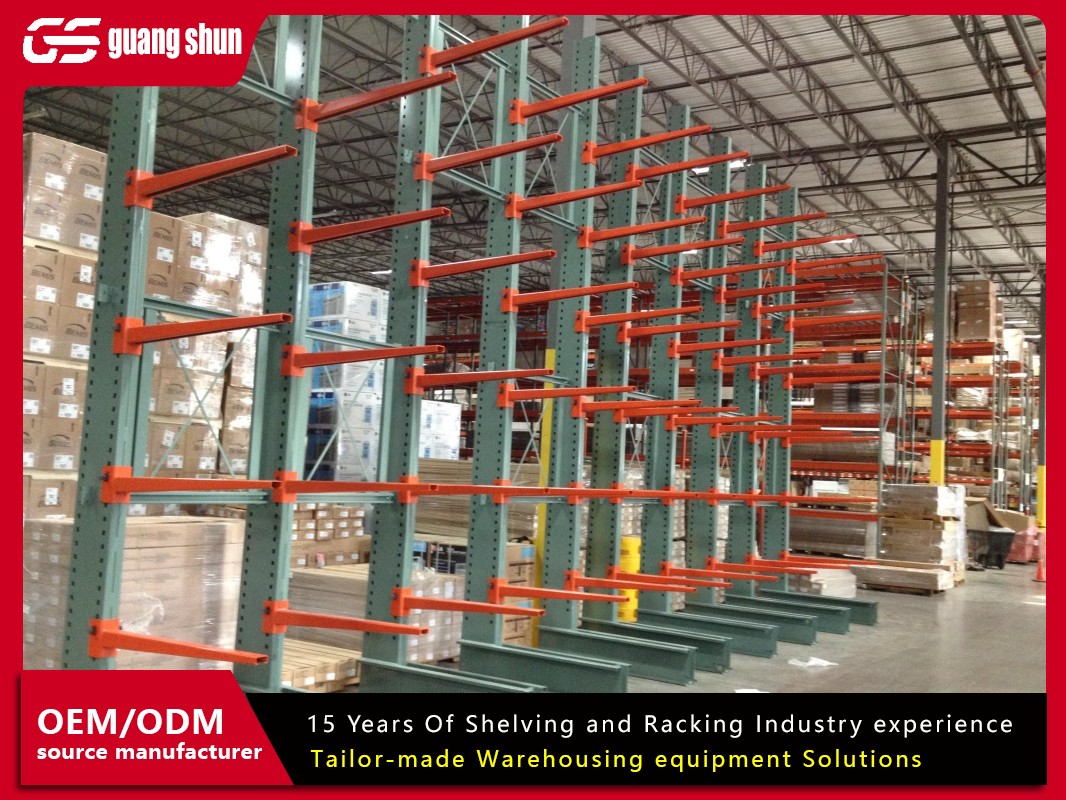
If you're running out of floor space but have plenty of empty wall height, you already understand the problem. The solution? Think vertically. A 5 tier heavy duty shelving unit is specifically designed to capitalize on that underused vertical airspace, transforming it into organized, accessible storage.
This isn't about flimsy closet organizers. We’re talking about a robust structure built to handle serious weight across five distinct levels. Whether your chaos is in the garage, basement, warehouse, or stockroom, this is the framework for order.
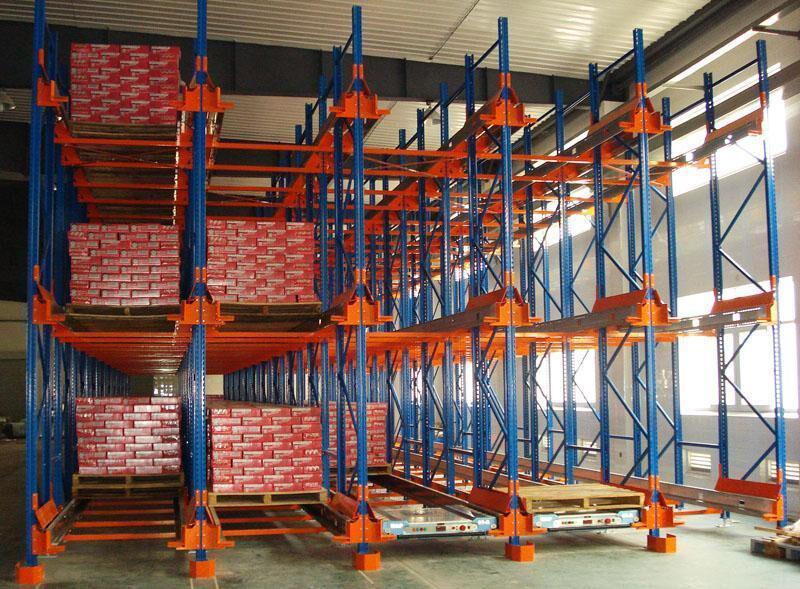
What Exactly is a 5 Tier Heavy Duty Shelving Unit?
Let's define it clearly. A 5 tier unit simply means a shelving system with five adjustable shelves, supported by a strong frame. The "heavy duty" label is key. It indicates a construction of materials like reinforced steel, with a weight capacity often measured in hundreds of pounds per shelf.
This distinguishes it from lighter-duty, bolt-less wire shelving. You can expect solid steel uprights, robust shelf beams, and dense particle board or heavy-gauge wire decking. The result is a storage workhorse that won't wobble or sag under the load of tools, industrial supplies, or bulky inventory.
Key Benefits of Choosing a Five-Tier Design
Why five shelves? The design offers a distinct balance.
Maximized Vertical Storage Without Being Unwieldy. Four-tier units might leave too much empty space above. Six-tier units can become too tall for easy top-shelf access. A 5 tier industrial shelving unit hits a sweet spot. It offers substantial storage volume while keeping the top shelf within reach for most people, often without needing a ladder.
Superior Organization and Categorization. Five shelves allow for logical, detailed sorting. Imagine a garage unit: top shelf for seasonal decorations, next for camping gear, then automotive fluids, then paint supplies, and bottom shelf for heavy toolboxes. Each category has a home. This level of heavy duty storage organization reduces clutter and saves time.
Impressive Total Weight Capacity. With strength spread across five levels, the total load capacity of a heavy duty 5 shelf rack is substantial. You can distribute weight evenly, keeping heavy items low and lighter bulkier items up high. This makes it ideal for stockrooms holding mixed merchandise or workshops with varied materials.
Adaptability to Various Spaces. The tall, narrow profile of many 5 tier shelving units allows them to fit in tighter spaces—alongside a water heater, in a laundry room corner, or lining a workshop wall. You get significant storage without consuming an excessive footprint.
Common Places You Need a 5 Tier Heavy Duty Rack
These units are versatile problem-solvers.
The Garage or Workshop. This is prime territory. A 5 tier heavy duty shelving unit can consolidate all your automotive supplies, hardware, power tools, gardening pots, and sports equipment. The open design, especially in wire models, allows for ventilation and easy dusting.
Commercial and Retail Stockrooms. For small to medium businesses, these units are backbone storage. They are perfect for holding overstock, shipping materials, cleaning supplies, or packaged products. The five tiers make inventory counts easier and products simpler to find.
Basement and Utility Room Storage. Conquer the chaos of holiday decorations, luggage, canned goods, and household supplies. A sturdy five-tier steel shelving unit keeps everything off the damp floor and neatly visible, making seasonal rotations a breeze.
Kitchen Pantries and Restaurant Storage. In large pantries or commercial kitchen dry storage, these shelves organize bulk food, paper goods, and equipment. Choose units with appropriate sanitary finishes for food-adjacent areas.
Hobby and Craft Rooms. For serious crafters with loads of fabric, yarn, books, or materials, five tiers provide ample room to sort by project type, color, or medium, keeping inspiration visible and supplies accessible.
Features to Look For When Buying
Not all units are created equal. Pay attention to these details.
Material and Build Quality. Look for thick, cold-rolled steel frames. Shelves should be at least 18-gauge steel wire or .75-inch thick particle board. Avoid thin, hollow-tube frames if you plan for truly heavy loads. Welded construction is often stronger than bolt-together at stress points.
Weight Capacity Per Shelf. This is the most crucial spec. True heavy duty shelving should clearly state a per-shelf capacity. Look for ratings between 500 to 1,500 lbs per shelf for industrial-grade units. Remember, the unit's total capacity is not the same as each shelf's capacity.
Adjustability of Shelves. Shelves should be easily adjustable without tools, using snap-in clips or pins. This allows you to customize the vertical space between tiers to accommodate items of different heights, like gallon jugs or tall boxes.
Finish and Coating. A good powder-coat or epoxy finish resists rust, chipping, and chemicals. This is vital for garage or industrial use where moisture or spills might occur. A baked-on finish is more durable than simple paint.
Safety and Stability. The unit should feel rock-solid when assembled. Features like wide bases, optional wall-anchor kits, or cross-braces add significant stability, preventing tipping—a critical safety factor when fully loaded.
Assembly Tips for Your New Shelving Unit
A smooth assembly ensures safety and longevity.
First, clear a large floor space for assembly. Organize all parts and hardware using the instruction manual as a checklist. It’s often easiest to assemble the frame lying on its side before standing it upright to insert shelves.
Use a level during the final adjustment stage, especially on uneven floors. Shim the base if necessary. Tighten all bolts or connectors securely, but avoid over-tightening which can strip threads. Once loaded, periodically check that all connections remain tight.
Maintaining Your Investment
A little care extends the life of your 5 tier heavy duty shelving unit for decades.
Dust shelves regularly. For wire shelves, a quick vacuum or wipe-down is sufficient. For particle board, avoid excessive moisture. Inspect the unit periodically for any signs of damage, rust, or bent components. Never exceed the stated weight capacity—it’s the fastest way to damage the unit and create a safety hazard.
If you move, disassemble the unit fully rather than trying to move it while assembled. This prevents stress on the joints and makes transport safer.
Frequently Asked Questions (FAQs)
Q1: How much total storage space does a typical 5 tier heavy duty shelving unit provide?
A1: It varies by model dimensions, but a common unit (approx. 77"H x 48"W x 18"D) provides between 40 to 50 cubic feet of storage space across its five shelves. Always check the product's listed dimensions for exact volume.
Q2: Can the shelves really hold the weight they advertise?
A2: Reputable manufacturers test their units and provide conservative ratings. If you purchase a true industrial-grade 5 tier heavy duty rack with a 1,000 lbs per shelf rating, it will hold that weight when properly assembled and leveled. Ensure weight is evenly distributed and not concentrated in one small area.
Q3: Are these units difficult to assemble alone?
A3: Most units are designed for two-person assembly due to the size and weight of components. However, a single person with some mechanical aptitude can assemble one by carefully following instructions, often by building the frame on its side. Having a helper is strongly recommended for safety and ease.
Q4: What's the difference between wire grid and particle board shelves?
A4: Wire grid shelves offer superior ventilation, visibility, and are easier to clean (dust falls through). They are ideal for garages or areas with moisture. Particle board shelves provide a solid, flat surface for very small items and can feel more rigid. Some heavy duty units offer a combination, with solid shelves for small parts bins on upper tiers.
Q5: Is a 5-tier unit too tall for a standard 8-foot ceiling?
A5: Not usually. Most five-tier shelving units range from 72 to 84 inches (6 to 7 feet) in height, leaving a safe clearance from a standard 96-inch (8-foot) ceiling. Always check the product's exact height specification and measure your space before purchasing.