If your business deals with bulky items, large equipment, or high-volume inventory, standard shelving simply won't cut it. You need a storage solution built to endure real weight and constant use. That’s where heavy shelving comes in.
This isn't your average garage or office shelving. Heavy-duty shelving is the backbone of organized industrial spaces, warehouses, workshops, and retail backrooms. It’s engineered to handle significant loads, often thousands of pounds per unit, while keeping items accessible and safe.
Choosing the right heavy shelving system can transform chaotic storage areas into models of efficiency. Let's break down what you need to know.
What is Heavy Shelving?
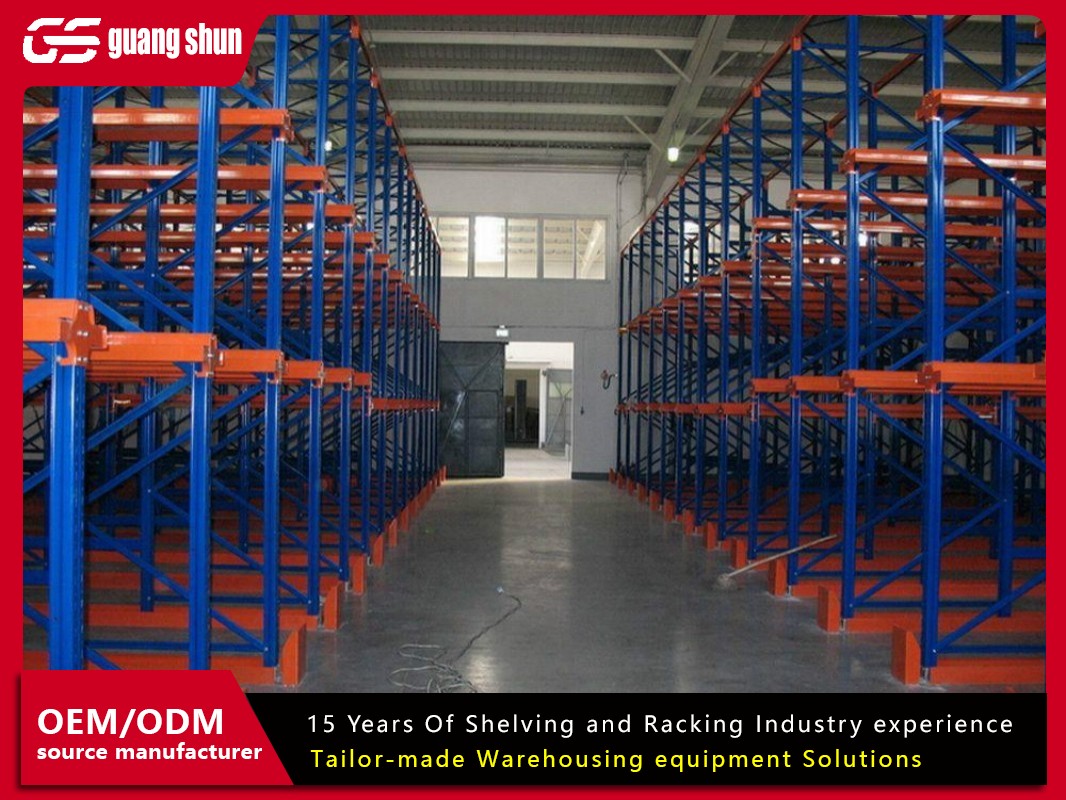
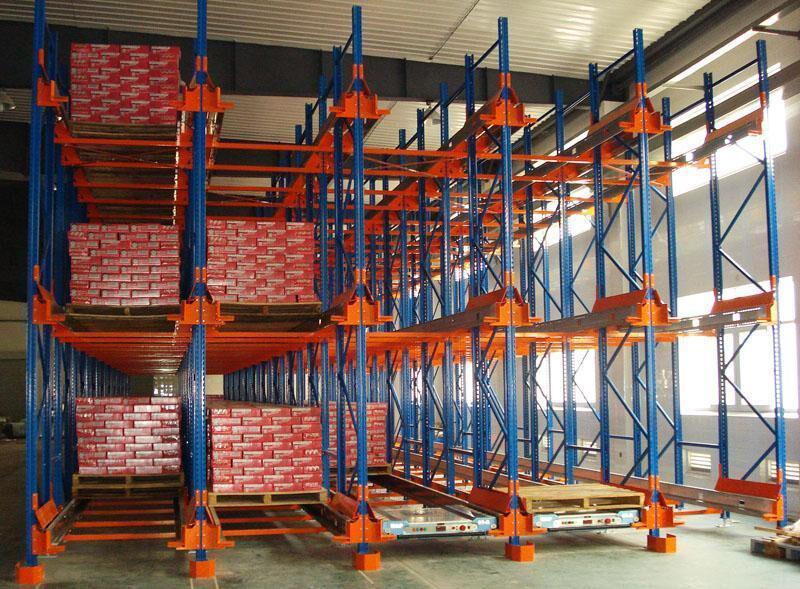
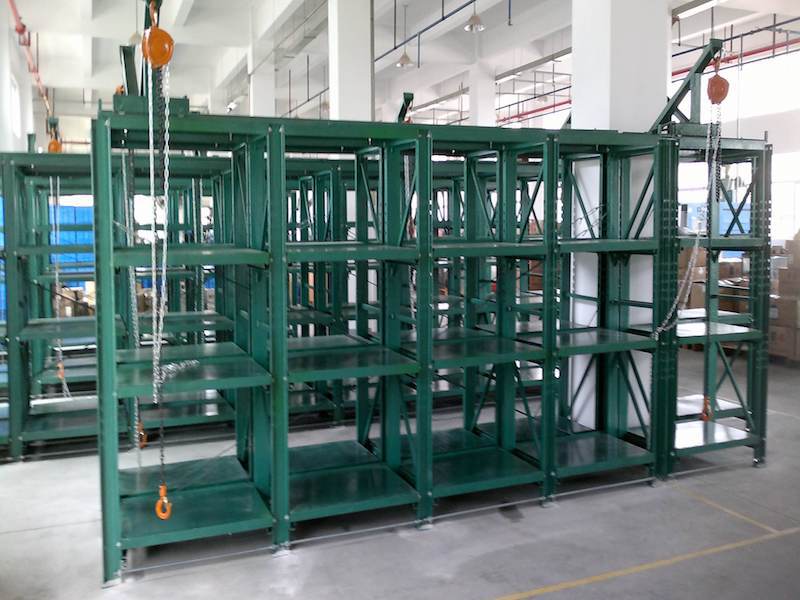
Heavy shelving refers to a category of storage units designed for substantial weight capacity. These systems are constructed from robust materials—typically steel—with reinforced beams, thick decking, and industrial-grade upright frames.
The primary distinction from light-duty shelving lies in its load-bearing design. While a bookcase might hold 50 lbs per shelf, a single level of heavy industrial shelving can easily support 1,000 to 5,000 lbs or more.
It’s built for functionality, not aesthetics. You’ll find it in environments where durability, safety, and maximizing vertical space are critical. The goal is to store more, safely, in less floor space.
Key Types of Heavy-Duty Shelving Systems
Not all heavy shelving is the same. The right type depends on your items and how you need to access them.
1. Rivet Shelving (or Boltless Shelving):
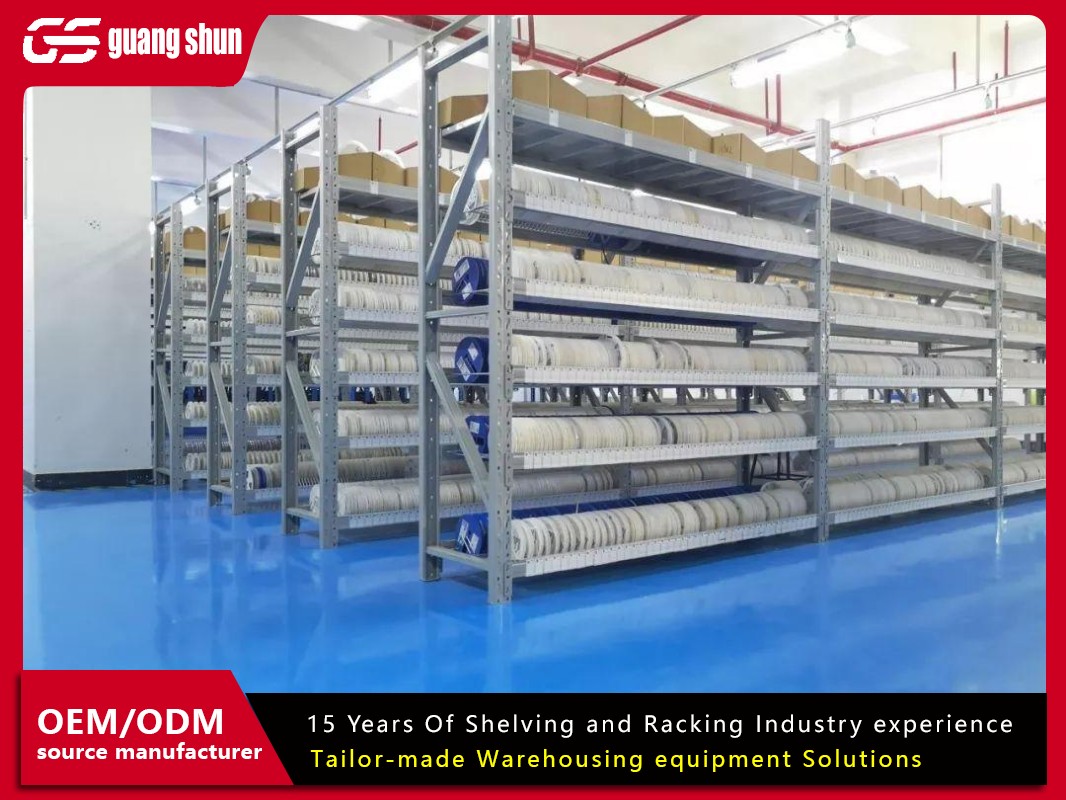
This is arguably the most common type of heavy-duty shelving. Beams lock into uprights using rivets or tabs, requiring no tools for assembly. It’s incredibly versatile, adjustable, and strong. It’s the go-to choice for pallet storage, bulk boxes, and general warehouse use.
2. Structural Shelving:
A step up in strength and stability. This system uses heavier gauge steel and bolts together at every connection point. The frame is often welded for added rigidity. Structural shelving is ideal for the most extreme loads, like engine blocks, heavy machinery parts, or dense raw materials.
3. Cantilever Shelving:
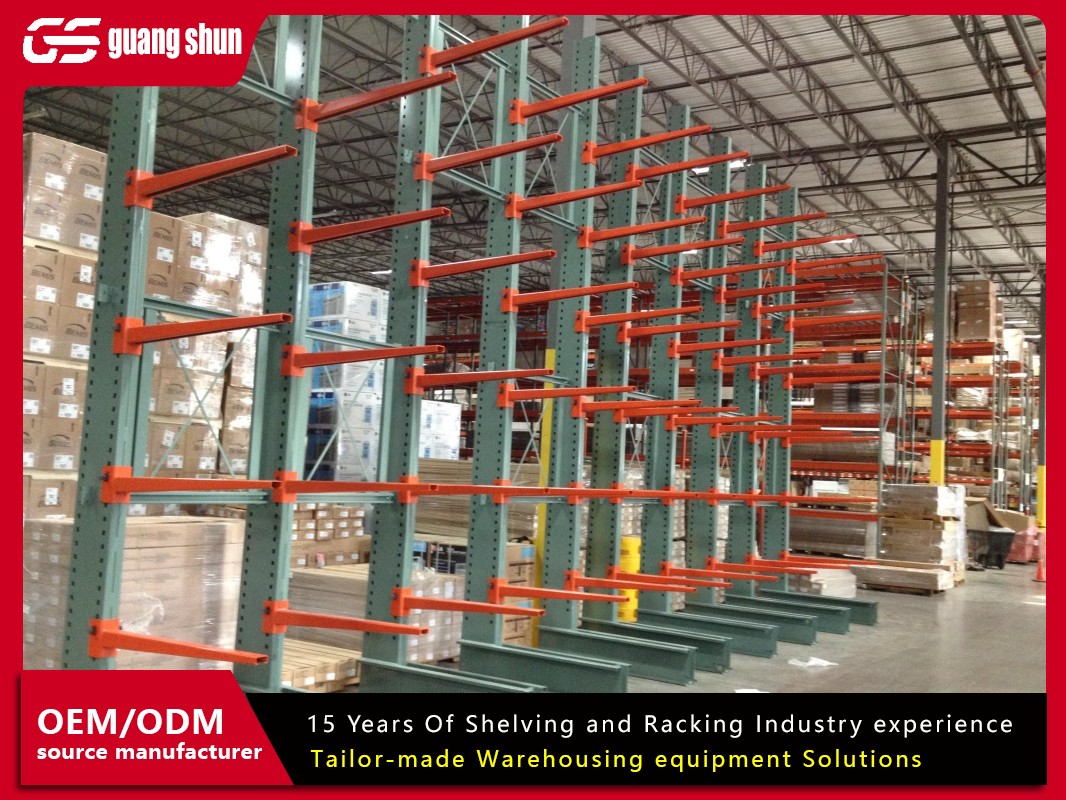
Designed for long, bulky items that would be awkward on standard shelves. Think lumber, piping, furniture, or molding. Arms extend from a central column, providing unobstructed access from the front and sides. The lack of front posts makes loading and unloading with forklifts or carts much easier.
4. Wire Shelving (Heavy-Duty Grade):
While often used in lighter applications, commercial-grade wire shelving with a high weight rating offers excellent ventilation and visibility. It’s a strong contender for clean rooms, food service storage, or areas where dust accumulation and spill cleanup are concerns.
Primary Benefits of Investing in Heavy Shelving
Why make the investment in a proper heavy-duty storage system? The advantages directly impact your bottom line and daily operations.
Maximizes Storage Density: By safely utilizing vertical space up to heights of 20 feet or more, you dramatically increase storage capacity without expanding your building’s footprint.
Improves Organization and Efficiency: A place for everything and everything in its place. Workers spend less time searching for items, leading to faster order fulfillment and improved productivity.
Enhances Safety: Properly rated heavy shelving prevents catastrophic collapses. It keeps heavy items secured off the floor, reducing trip hazards and protecting inventory from damage caused by improper stacking.
Promotes Inventory Control: Organized shelves make visual inspections and inventory counts more accurate. You can implement systems like FIFO (First-In, First-Out) more effectively.
Durable and Long-Lasting: Made from powder-coated or galvanized steel, this shelving resists corrosion, impact, and wear. It’s a capital investment that lasts for decades with proper care.
Common Applications: Where is Heavy Shelving Used?
You’ll find heavy industrial shelving hard at work across countless industries. If it’s heavy and needs storing, this is the solution.
- Warehousing & Distribution: Storing palletized goods, spare parts, and shipping materials.
- Manufacturing & Workshops: Holding raw materials, work-in-progress, tooling, and finished products.
- Automotive & Aviation: Organizing engines, transmissions, tires, and long aircraft parts.
- Retail Backrooms: Managing overstock, seasonal items, and large appliances.
- Archives & Libraries: Storing dense boxes of files or bound volumes that create immense weight.
- MRO (Maintenance, Repair, and Operations): Keeping spare parts, lubricants, and safety equipment in one secure location.
Critical Factors to Consider Before You Buy
Jumping in without planning is a mistake. Here’s what to evaluate before purchasing a heavy shelving system.
1. Load Capacity: This is the most crucial factor. You must calculate the total weight each shelf will hold, including the weight of bins or containers. Always choose a shelving unit with a rated capacity exceeding your calculated load. Factor in potential future needs.
2. Dimensions and Adjustability: Measure the items you need to store—their height, width, depth, and weight. Choose a system with adjustable shelf heights to accommodate different-sized items. Consider the overall unit height relative to your ceiling clearance and forklift reach.
3. Material and Construction: Look for thick, cold-rolled or structural steel. The gauge (thickness) of the steel matters; a lower gauge number indicates thicker, stronger metal. Powder-coated finishes offer good corrosion resistance for most environments.
4. Accessibility Needs: How will items be placed and retrieved? For frequent, manual access, consider ergonomic shelf heights. For palletized goods stored with forklifts, you’ll need wide aisles and open designs like rivet shelving. For long items, cantilever is the only logical choice.
5. Floor Conditions and Anchoring: Heavy-duty shelving, especially when fully loaded, must be anchored to a concrete floor for stability and safety. Ensure your floor is level and can support the concentrated load points.
Installation and Safety Best Practices
Proper setup is non-negotiable for safety and performance.
Professional Assembly is Recommended: Due to the weight of components and the critical nature of correct assembly, having experienced technicians install your heavy shelving is often wise. They ensure it is level, plumb, and securely anchored.
Always Follow Load Ratings: Never exceed the manufacturer’s stated load capacity per shelf or per unit. Distribute weight evenly across the shelf, placing heavier items on lower levels.
Use Appropriate Decking: Don’t just rely on the beams. Use reinforced steel wire decking, particle board, or plywood rated for the load to create a solid shelf surface and prevent items from falling through.
Implement Regular Inspections: Create a schedule to inspect shelving for damage. Look for bent beams, cracked welds, loose connections, or impacts from forklifts. Address any issues immediately.
Maintenance Tips for Longevity
Taking care of your heavy shelving ensures it serves you for years.
- Keep shelves clean from dust, debris, and spills, especially in corrosive environments.
- Avoid modifying the structure (e.g., drilling, welding) without consulting the manufacturer or an engineer.
- Reload shelves carefully; don’t drop items onto them from a height.
- If you reconfigure or move shelves, re-anchor them securely to the floor in their new location.
Making the Final Decision
Choosing heavy shelving is a significant operational decision. Start by auditing your current and future storage needs. Map out your space, measure your inventory, and calculate your weight requirements precisely.
When speaking with suppliers, be detailed about your use case. A reputable supplier will ask the right questions to guide you toward the safest and most cost-effective system. Remember, the cheapest option upfront can become the most expensive if it fails under load or causes inefficiencies.
Investing in the right heavy-duty shelving system is an investment in your operation’s safety, organization, and growth potential.
Frequently Asked Questions (FAQ)
Q1: What is the typical weight capacity for heavy shelving units?
A1: Capacities vary widely by type and construction. Light industrial units may start around 800 lbs per shelf. True heavy-duty shelving often ranges from 2,000 to 5,000 lbs per shelf, with structural shelving systems capable of handling 10,000 lbs per shelf or more. Always check the manufacturer’s specific rated capacity.
Q2: Can I assemble heavy shelving myself, or should I hire a professional?
A2: While boltless (rivet) shelving is marketed as easy-to-assemble, for large, tall, or high-capacity systems, professional installation is strongly advised. Proper leveling, securing, and ensuring all safety locks are engaged is critical. An improperly assembled unit is a major safety hazard.
Q3: What’s the difference between rivet shelving and structural shelving?
A3: Rivet shelving uses a tab-and-slot mechanism for tool-free assembly and is highly adjustable. Structural shelving is bolted and often welded at connections, using thicker-gauge steel. It is generally stronger, more rigid, and used for the absolute heaviest, most demanding applications.
Q4: How important is it to anchor my heavy shelving to the floor?
A4: It is absolutely essential. Anchoring prevents tipping, especially during seismic activity or accidental impact from equipment like forklifts. An unanchored, fully-loaded shelving unit can easily topple over, causing severe injury, fatalities, and massive inventory loss.
Q5: What kind of decking should I use on my heavy-duty shelves?
A5: The decking must be rated for your intended load. Common options include:
- Steel Wire Mesh: Allows for airflow and visibility, good for most loads.
- Particle Board/ Plywood: Provides a solid surface for small items; must be industrial grade and replaced if damaged or wet.
- Solid Steel Sheet: For the heaviest, densest loads or small parts.Never leave beams without proper decking, as this compromises stability and safety.