If you're searching for "rack industrial," you're likely in the middle of a storage project. You might be planning a new warehouse layout, expanding a production area, or simply trying to bring order to a chaotic storage space. This term often points to a practical need for strong, reliable shelving and storage systems built for work environments.
It’s a common starting point for many business owners and facility managers. The goal is usually straightforward: find a storage solution that can handle weight, last for years, and improve how things get done. But the world of industrial storage is bigger than it seems. What you find might surprise you.
This article walks through the essentials. We'll look at what this search really means, the types of systems available, and how to choose one that won't let you down.
Understanding the Search: It's About Solutions
When someone types "rack industrial" into a search bar, they're often looking for a category of product, not just a single item. They need heavy-duty storage designed for business or industrial use. This is different from store-bought shelving for a garage.
The core need is for structure and support. People need to store pallets, equipment, bulk materials, or parts safely and efficiently. They need a system that works with their space and their tools, like forklifts.
It’s a search driven by function, not aesthetics. Durability, safety, and maximizing square footage are the top priorities. The right solution can transform operations, saving time and reducing costly errors.
The Core Family of Industrial Racking
Most industrial storage projects revolve around a few key system types. Knowing the basics helps you understand what you're looking at and what might work for you.
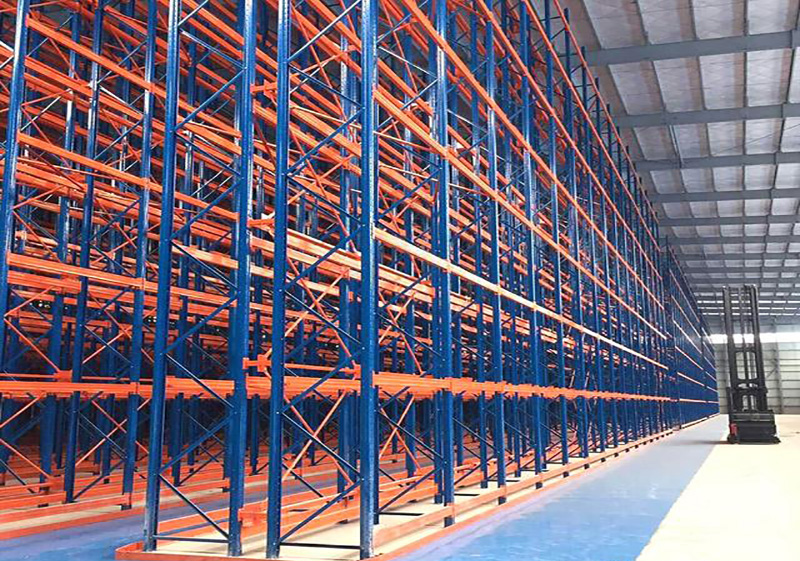
Pallet racking is the most common backbone. It's designed specifically for storing goods on pallets. The standard version is called selective racking. It allows direct access to every single pallet, which is perfect for warehouses with many different products.
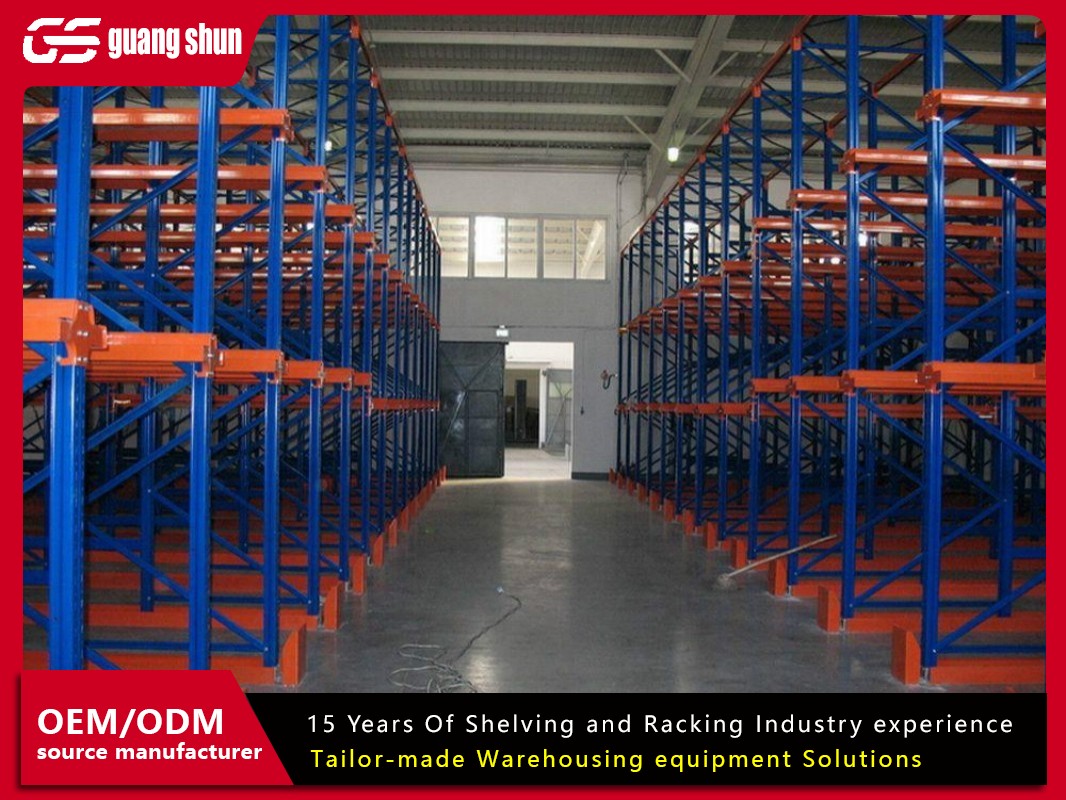
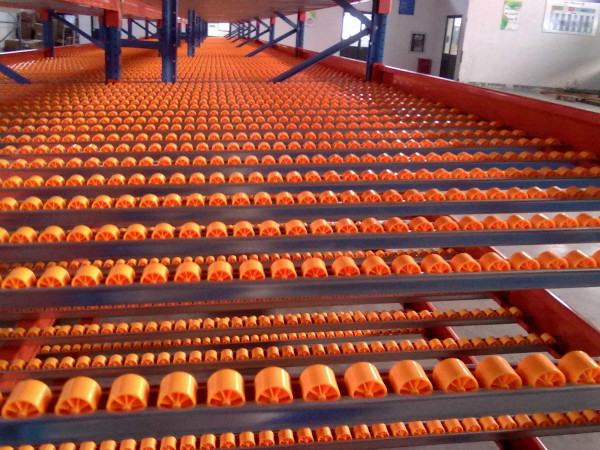
When space is at a premium, high-density systems come into play. Drive-in racking lets a forklift drive right into the structure itself, storing pallets several deep. It's great for storing lots of the same product. Push-back racking is another space-saver, using a series of nested carts to store pallets slightly deeper than selective systems.
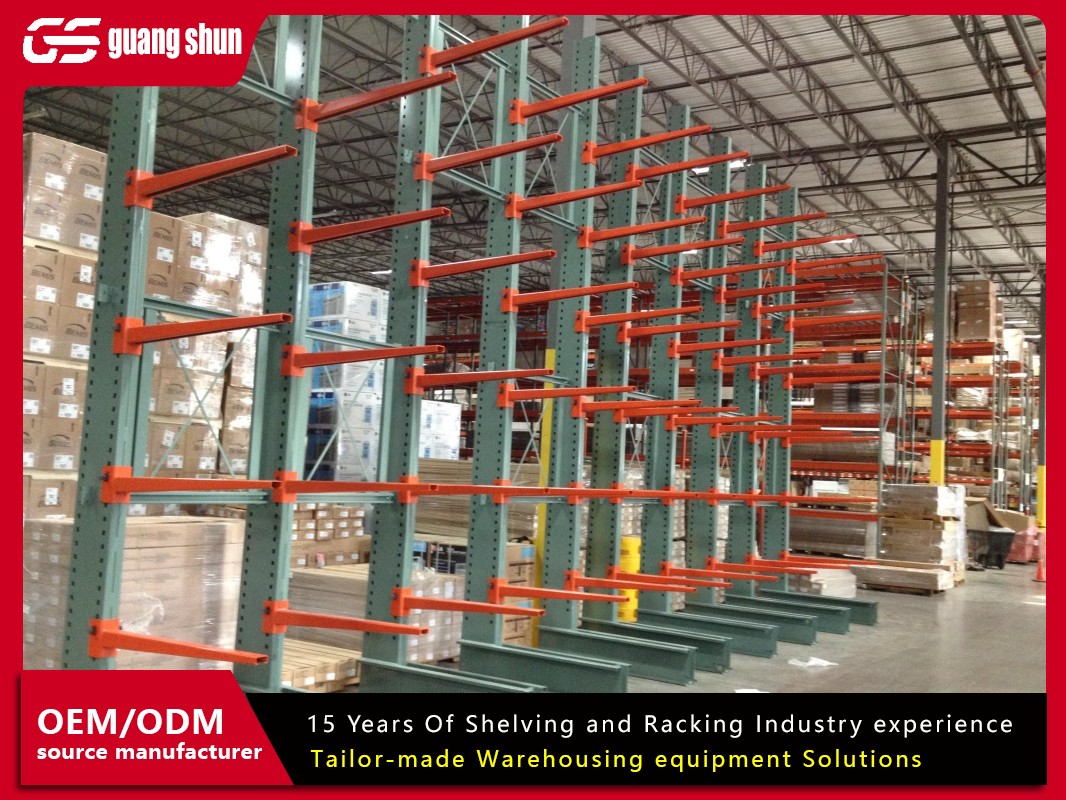
For long, awkward items, cantilever racking is the answer. Think of steel bars, lumber, or piping. Its arms extend from a central column, giving clear, unobstructed access to the entire length of the material.
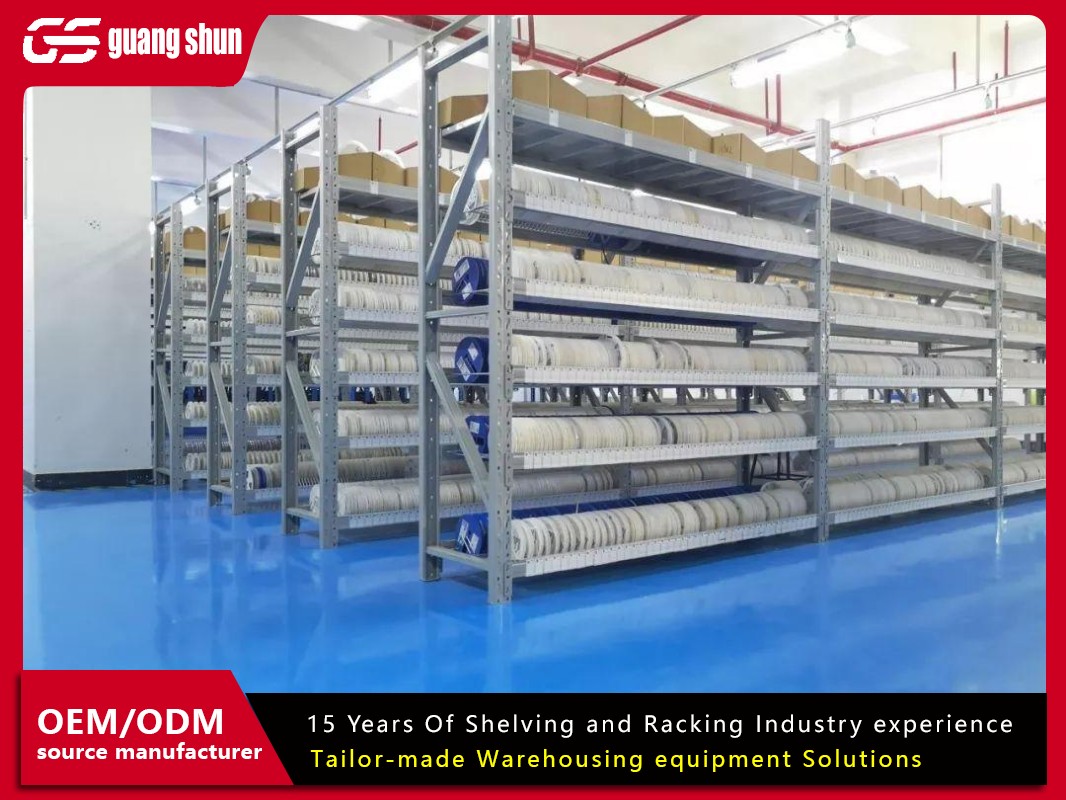
Then there's the broader category of industrial shelving. These are the sturdy, bolt-less shelves used for smaller parts, tools, or boxes that aren't on pallets. They keep everything visible and organized, often in workshops or picking areas.
Key Factors Before You Buy
Jumping straight to a product catalog is a mistake. A little planning upfront prevents headaches and wasted money later. Start by looking at what you're actually storing.
Load weight is the most critical number. You must know the maximum weight per shelf or per pallet position. Don't guess. Weigh a few samples. The system you choose must have a clear, rated capacity that exceeds your needs.
Next, consider dimensions. Measure your pallets, your boxes, your longest pieces. Then, measure your available space—floor dimensions, ceiling height, and the location of doors, sprinklers, and support columns. A great system must fit your building.
Think about access. How will workers or machines reach the stored items? Do you need wide aisles for forklifts, or can you use narrower ones with special equipment? Your access method dictates which systems are even possible.
Finally, consider the future. Is your business growing? Will your inventory mix change? Look for systems that are modular and can be reconfigured. A flexible solution grows with you.
Safety and Standards Are Not Optional
This is where industrial storage separates itself from DIY options. Safety is engineered into the product. Reputable manufacturers design their systems to meet strict industry standards.
Look for products built to specifications from recognized bodies. This ensures the steel quality, welding, and design can handle the stated loads. These standards exist for a reason—to prevent collapse and protect your people and inventory.
Proper installation is just as important as the product itself. Skimping here is risky. Follow the manufacturer's instructions exactly. Use the correct anchors for your floor type. Ensure everything is level and plumb.
Once installed, protection is key. Install column guards at corners and in high-traffic areas to absorb the impact from forklifts. Make sure every pallet is properly positioned and not damaged. Regular inspections for damage are a must for any safety program.
Making the Choice: DIY vs. Professional Help
For a very small, simple project, a pre-engineered kit might suffice. You can find these from various suppliers. The assembly is straightforward if you're handy. But you are entirely responsible for ensuring it's suitable for your loads and anchored safely.
For anything beyond a basic shelving unit, professional advice is valuable. A qualified dealer or consultant does more than sell you beams and frames. They act as a partner.
They can assess your space and needs objectively. They provide professional layout drawings, helping you visualize the final result and maximize your cube. They can often handle the complex installation, ensuring it's done right the first time.
They also help you navigate the entire process—from planning and product selection to delivery and setup. This support can be worth its weight in gold, saving you time and avoiding costly missteps.
Frequently Asked Questions (FAQs)
Q1: What's the main difference between "industrial racking" and "industrial shelving"?
A1: It primarily comes down to what you're storing and how. Racking is generally for heavy, unitized loads, often on pallets, and is designed for use with equipment like forklifts. Shelving is for smaller, individual items or boxes that are placed by hand. Shelving has enclosed decks, while racking has open beams.
Q2: Can I install an industrial rack system myself?
A2: It depends on the system's size and complexity. Small, boltless shelving units are often designed for DIY. However, for any large-scale pallet racking, professional installation is strongly recommended. Proper installation is critical for safety and stability, requiring specific tools, knowledge of anchoring, and an understanding of load dynamics.
Q3: How do I know what weight capacity I need?
A3: Never estimate. You need to know the actual weight of the loads you will store. For pallets, weigh a few fully-loaded samples. For shelving, determine the heaviest boxes or items per shelf. Your system's rated capacity must exceed your maximum anticipated load, with a safety factor included by the manufacturer.
Q4: My floor is uneven. Is that a problem for installation?
A4: Yes, it can be a significant issue. Industrial storage systems require a level and stable base. An uneven floor can cause racks to be out of plumb, creating dangerous stress points and reducing their safe load capacity. This often requires floor grinding or the use of special shims or base plates during professional installation.
Q5: How often should I inspect my racking system?
A5: A formal inspection by a competent person should be conducted at least annually. However, visual checks should be part of your daily routine. Any time a forklift strikes a column or beam, that area must be inspected immediately. Look for dents, bends, cracks, or any signs of deformation. Damaged components must be taken out of service and replaced promptly.