Drive-in racking systems offer a popular solution for high-density storage. But their efficiency hinges on one critical element: the forklift and the operator. Using a standard forklift in a drive-in rack isn't just inefficient; it can be dangerous.
This article focuses on the specialized equipment and skills needed. We'll explore what makes a forklift suitable for drive-in racking, the unique operational challenges, and crucial safety practices. Understanding the relationship between the rack and the machine is key to a successful, safe warehouse.
What is Drive-In Racking? A Quick Recap
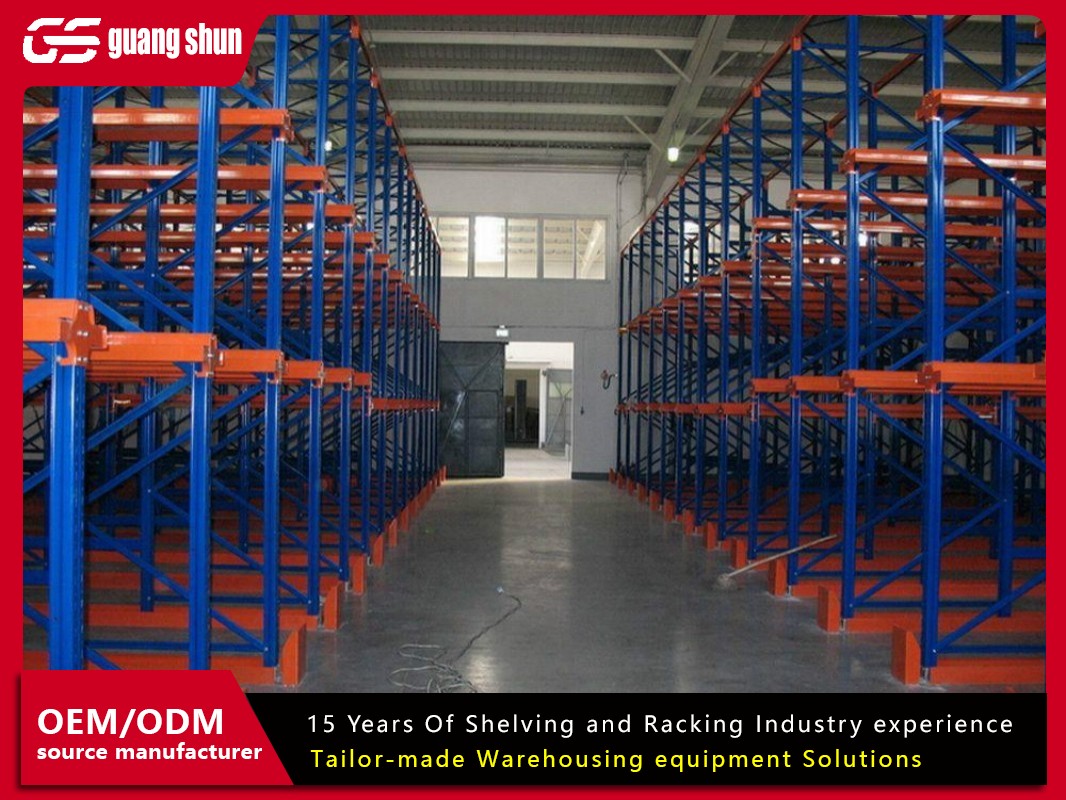
Before discussing the forklift, let's clarify the system. Drive-in racking is a high-density storage method. It consists of upright frames with continuous rails. Pallets are stored on these rails, multiple units deep in a single lane.
There are no aisles between each vertical storage position. Instead, the forklift drives directly into the rack structure to place or retrieve a pallet. This design maximizes space but creates a unique working environment.
The forklift becomes part of the storage system. Its performance directly impacts safety and productivity within these confined lanes.
The Right Forklift for Drive-In Racking Operations
Not every forklift is built for this task. Using the wrong equipment risks damage to the rack, the load, and the operator. Here are the essential features to look for.
Critical Forklift Specifications
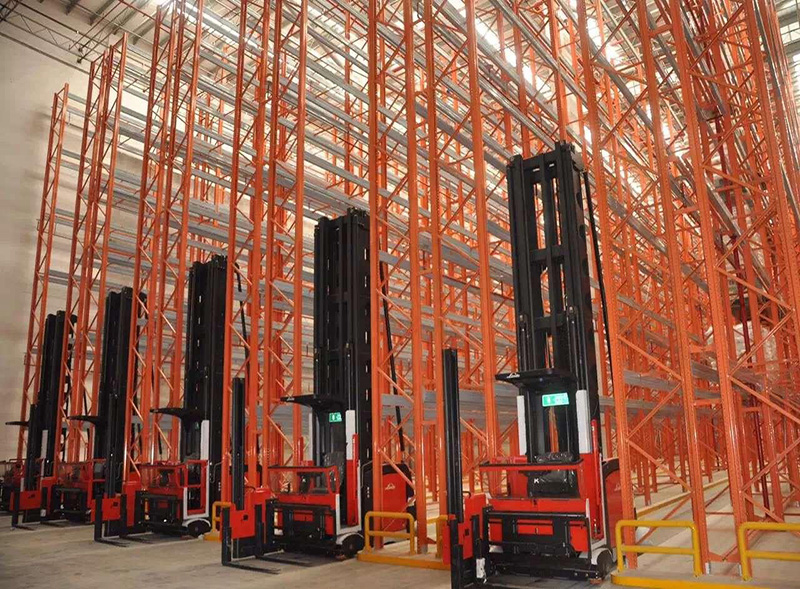
The most important requirement is a straddle leg configuration. This means the forklift has outrigger arms (straddles) that extend in front of the truck. These arms provide stability by bearing weight on the rack's entry rails.
A standard counterbalance forklift is not suitable. Its design places all weight on its rear wheels, which can damage rack rails and is unstable in narrow lanes.
You also need a narrow aisle design. The overall width of the forklift, including its straddle legs, must be less than the clear opening of the rack lane. This ensures smooth entry and exit without collisions.
Mast and Fork Characteristics
The mast should be of a triplex or quad design to achieve the necessary lift height while maintaining compactness. A tall, bulky mast can catch on the rack structure.
Forks must be long enough to place pallets securely on the deep load beams. However, they should not be so long that they protrude dangerously when the truck is inside the lane. Fork tip thickness is also important to smoothly engage pallets on rails.
Power Source Considerations
Electric forklifts are often preferred for drive in racking forklift operations indoors. They produce zero emissions, which is vital in the enclosed space of a rack lane. They also operate more quietly and with less vibration than internal combustion models.
Some high-throughput operations might use specialized articulating forklifts. These machines can rotate their load within the lane, improving efficiency in certain configurations.
Operating a Forklift in Drive-In Racking: Key Techniques
Driving into a rack structure is fundamentally different from working in an open warehouse. It requires precision, patience, and specific skills.
The Entry and Approach
Alignment is everything. The operator must approach the lane squarely, ensuring the straddle legs are perfectly aligned with the entry rails. A slight angle can cause a leg to scrape or jump off the rail, leading to a tip-over.
Speed must be reduced to a crawl. Operators should enter and exit the lane slowly and smoothly. Jerky movements destabilize the truck and the load.
Load Handling Inside the Lane
Inside the lane, visibility is severely restricted. The mast and load block the forward view. Operators rely on peripheral vision, spatial awareness, and mirrors.
Placing a pallet requires precise inch-up control. The operator must gently deposit the load onto the rails without impacting the pallet behind it. Retrieving a load involves carefully tilting the mast and extracting the pallet without catching it on the beams.
Communication is nearly impossible once inside. The operator is isolated. Therefore, a strict traffic control protocol for the aisle is mandatory to prevent another truck from entering.
Major Safety Challenges and Mitigation
The combination of a heavy machine, a confining structure, and high racking creates inherent risks. Acknowledging these is the first step to preventing accidents.
Collision and Rack Damage
The most common issue is impact damage. The forklift mast, overhead guard, or load can strike the rack's uprights and beams. Even minor impacts can weaken the structure over time, leading to a potential collapse.
Column protectors and rack guards are essential investments. They absorb impact energy and protect critical structural points. Regular rack inspections are non-negotiable.
Forklift Stability and Tip-Over Risk
Drive-in racks create a "V" channel. If a straddle leg comes off its rail, the forklift can tilt into this channel and tip over. This is a catastrophic event that can trap and seriously injure the operator.
Causes include misalignment, excessive speed, uneven floors, or damaged rails. Operator restraint systems (seatbelts) are absolutely critical to keep the operator within the safety zone of the cab during a tip-over.
Pedestrian and Traffic Separation
The entrance to a drive-in rack lane is a high-risk zone. A pallet could be dislodged during retrieval. A forklift could exit unexpectedly.
Physical barriers, warning lights, and clear floor markings must define the danger area. Pedestrian access should be strictly prohibited in front of active lanes.
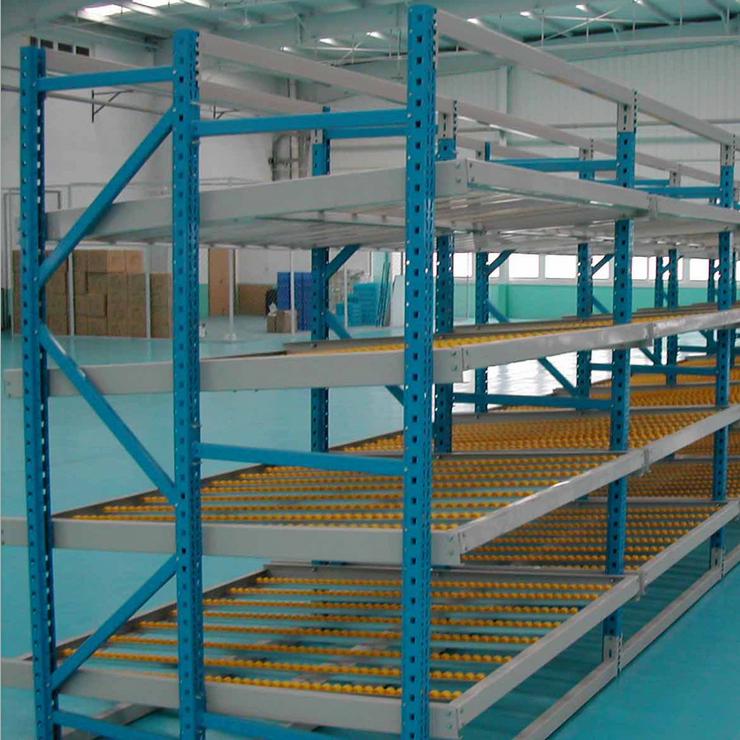
Optimizing Your Fleet for Drive-In Systems
Getting the most from your system involves more than just buying the right truck. It's about integration and management.
Matching Forklift to Rack Design
Work closely with your racking supplier and forklift dealer. The clear opening of your rack lanes dictates the maximum allowable width for the drive in racking forklift straddles.
Lift height, fork length, and load capacity must all be specified based on your rack's dimensions and stored product weights. A mismatch causes operational headaches and safety hazards.
Training and Certification
Standard forklift certification is not enough. Operators need system-specific training. This should include:
- Practicing perfect lane alignment.
- Maneuvering in confined spaces with restricted sight.
- Understanding the unique stability factors of straddle trucks.
- Learning emergency procedures for breakdowns inside a lane.
Maintenance and Inspection Focus
Daily checks are vital. Pay special attention to:
- Straddle leg alignment and wheels: Any wear or misalignment can derail the truck.
- Mast rollers and chains: Smooth operation is needed for precise load placement.
- Forks: Check for straightness, cracks, and tip wear.
Preventative maintenance schedules should be strictly followed. A breakdown inside a rack lane is difficult and time-consuming to resolve.
Is Drive-In Racking the Right Choice for Your Fleet?
This system isn't for everyone. It places significant demands on both equipment and personnel. Ask these questions:
Do you have a high volume of the same SKU? It's ideal for bulk storage of homogeneous products.
Are you prepared for the specialized investment? This includes the right drive in racking forklifts and comprehensive training.
Is your warehouse layout and floor condition suitable? Lanes must be long, straight, and the floor must be extremely level.
Do your operations allow for LIFO (Last-In, First-Out) inventory management? This is the standard method for drive-in systems.
If the answer to these is yes, the space savings can be tremendous. But the forklift operation will always be the system's most critical—and risk-prone—component.
Frequently Asked Questions
Q1: Can I use a standard reach truck or counterbalance forklift in drive-in racking?
A1: No, it is strongly discouraged and often unsafe. Standard forklifts lack the straddle leg configuration needed for stability on the rack rails. Using them can damage the racking and significantly increase the risk of a tip-over accident. A specialized drive in racking forklift is required.
Q2: What is the most important safety feature for a drive-in racking forklift operator?
A2: The operator restraint system, or seatbelt, is paramount. In the event of a tip-over inside the narrow rack lane, the seatbelt keeps the operator securely within the protective frame of the cab, preventing crushing injuries.
Q3: How often should the racking structure itself be inspected?
A3: A formal inspection by a competent person should be conducted at least annually. However, operators and warehouse managers should perform visual checks for damage daily, especially after any known impact. Any bent beams, cracked welds, or damaged uprights require immediate attention.
Q4: What happens if a forklift breaks down inside a drive-in rack lane?
A4: This is a complex situation. First, ensure the operator is safe and can exit. Do not attempt to push or drag the truck out with another forklift, as this can cause severe rack damage. You will likely need a professional service technician with the proper equipment, such as a pallet jack or specialized tow unit, to carefully extract the disabled truck.
Q5: Are there forklifts that can work in both drive-in and selective racking?
A5: Yes, some versatile narrow-aisle forklifts, particularly articulating forklifts, can be configured for multiple tasks. However, they must be specifically equipped with the correct straddle width, mast, and forks for your drive-in system. A standard model won't be suitable.
Q6: How do I improve visibility for operators in these tight spaces?
A6: Technology can help. Forklift-mounted cameras that provide a forward view on an in-cab monitor are extremely valuable. Excellent LED lighting inside the rack lanes is also essential. Ultimately, however, operators must be trained to rely on mirrors, slow movement, and precise control rather than direct forward vision.