7 Factors to Consider When Choosing a 6 Tier Heavy Duty Shelving UnitFor businesses and workshops needing serious storage, finding the right solution is key. A 6 tier heavy duty shelving unit offers substantial vertical space to organize tools, parts, and inventory. These sturdy structures are built to hold significant weight. This guide outlines seven important factors to help you select the best model for your specific requirements.
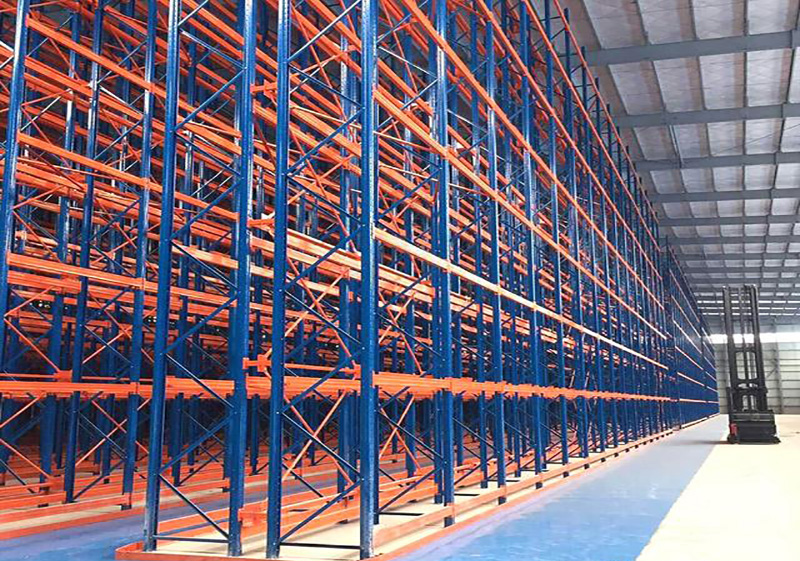
What is a 6 Tier Heavy Duty Shelving Unit?
This type of shelving is a freestanding storage system with six levels or shelves. The "heavy duty" classification means it is constructed from robust materials. It is designed to hold loads that typical retail shelving cannot support. These units are common in industrial, commercial, and organized garage settings.
Common Applications and Uses
A six-tier heavy duty rack serves many purposes across different environments.
Warehousing: Storing bulk parts, supplies, and finished goods.
Automotive Shops: Organizing tools, lubricants, and car parts.
Retail Backrooms: Holding overstock inventory safely.
Home Garages: Creating order for equipment, paint, and seasonal items.
Key Benefits of Using This Storage Solution
Implementing a 6 tier heavy duty shelving unit brings clear advantages to any space. The benefits impact organization, efficiency, and safety.
Maximized Vertical Storage
Six tiers make excellent use of vertical air space. This frees up valuable floor area for work or movement. You can store much more without expanding the room's footprint. It is a smart solution for crowded workshops or stockrooms.
Superior Organization and Access
Multiple shelves allow for logical sorting of items.
Group similar items on dedicated shelves for easy finding.
Place frequently used items at waist level for quick access.
Store heavier, less-used items on lower shelves for stability.
Enhanced Durability and Longevity
Built with thicker steel and better engineering, these units last. They resist bending, swaying, and damage from heavy loads. This makes them a cost-effective long-term investment compared to lighter alternatives.
Critical Factors for Your Selection
Not all 6 tier heavy duty shelving unit models are the same. Consider these points carefully before making a purchase to ensure it meets your needs.
Weight Capacity and Load Rating
This is the most important specification. You must understand two types of capacity.
Always check both numbers and plan your load distribution accordingly.
Material and Construction Quality
The build quality determines safety and durability.
Steel Gauge: A lower gauge number indicates thicker, stronger steel (e.g., 12-gauge is thicker than 16-gauge).
Finish: Look for powder-coated or epoxy finishes to resist rust, chips, and chemicals.
Joint Design: Bolted connections are typically stronger and more adjustable than clip-on designs.
Dimensions and Adjustability
Measure your available space and your items. Key dimensions include the unit's overall height, width, depth, and shelf spacing. Adjustable shelves offer great flexibility. They allow you to customize space between tiers to fit tall or short items.
Safety and Stability Features
A loaded unit must be secure. Essential safety features include:
Integrated safety locking pins to prevent shelves from dislodging.
Optional wall anchoring kits to prevent tipping.
Upright design with bracing to minimize side-to-side sway.
Load placards that clearly state weight limits.
Installation and Maintenance Tips
Proper setup and care ensure your shelving performs safely for years. Follow these practical guidelines.
Step-by-Step Assembly Advice
Take your time during assembly. It is the foundation for safety.
Assemble on a clean, flat surface.
Use the correct tools, usually a rubber mallet and a wrench.
Tighten all bolts securely but avoid over-tightening.
Use a level to ensure the unit is standing straight.
Routine Maintenance and Inspection
Regular checks help identify issues early. Make it a habit to:
Visually inspect for rust, cracks, or bent components every few months.
Check that all bolts and connections remain tight.
Ensure shelves are properly seated on their supports.
Clean spills promptly to protect the finish.
Conclusion: Making an Informed Decision
Selecting the right 6 tier heavy duty shelving unit requires balancing capacity, space, and budget. By focusing on load ratings, construction quality, and safety features, you can find a durable solution. A well-chosen unit will organize your space efficiently and provide reliable service for a long time. Assess your needs against these seven factors to make a confident choice.
Frequently Asked Questions (FAQs)
Q1: How much weight can a typical 6 tier heavy duty shelving unit hold?
A1: Capacity varies greatly by model. A per-shelf capacity can range from 500 lbs to over 2,000 lbs. The total unit capacity is often between 3,000 and 12,000 lbs. Always check the manufacturer's specific rating plate and do not exceed the stated limits for safety.
Q2: What is the best way to anchor this shelving to a wall?
A2: Use a manufacturer-approved wall anchoring kit. It typically includes sturdy metal brackets and lag screws. Anchor the top of the unit's frame into wall studs, not just drywall. This prevents the shelving from tipping forward, especially when loading the upper shelves.
Q3: Can the shelves be adjusted on all models?
A3: Most, but not all, heavy-duty units have adjustable shelves. The adjustability increments (e.g., every 1 inch or 2 inches) vary. Some economic models may have fixed shelves. If flexibility is important, confirm the shelf adjustability before purchasing.
Q4: Are these units difficult to assemble by oneself?
A4: Assembly is generally straightforward but can be physically demanding due to the weight of parts. Having two people is highly recommended for safety and ease, especially when standing up the assembled frame. Carefully follow the provided instructions.
Q5: What’s the difference between bolt-together and clip-style shelving?
A5: Bolt-together units use nuts, bolts, and sometimes braces for connection. They are generally stronger, more rigid, and better for very heavy loads. Clip-style (or rivet) shelves snap into pre-punched holes in the uprights. They are faster to assemble but often have lower weight capacities.