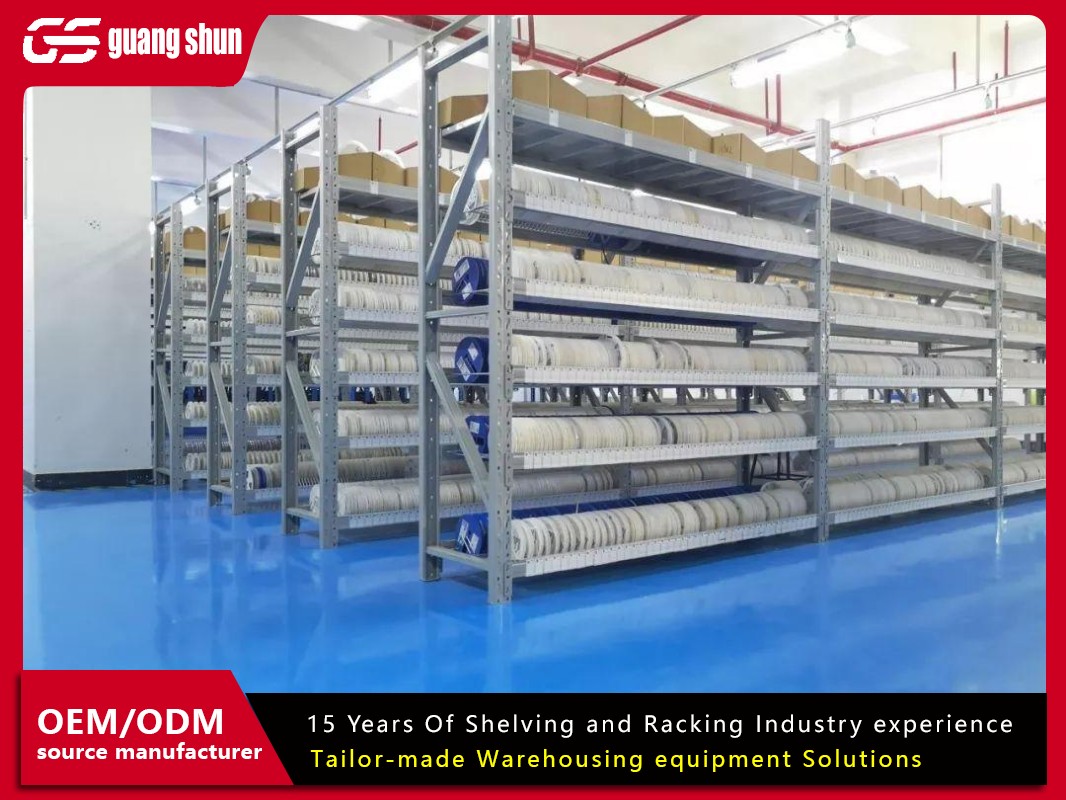
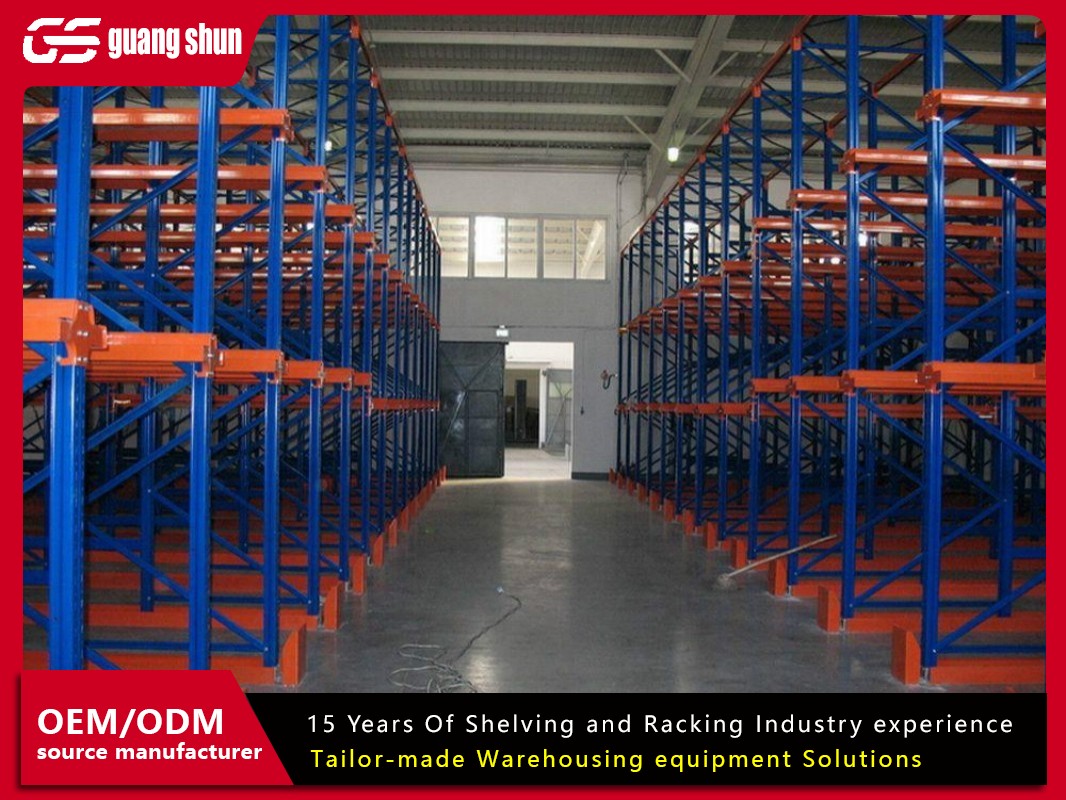
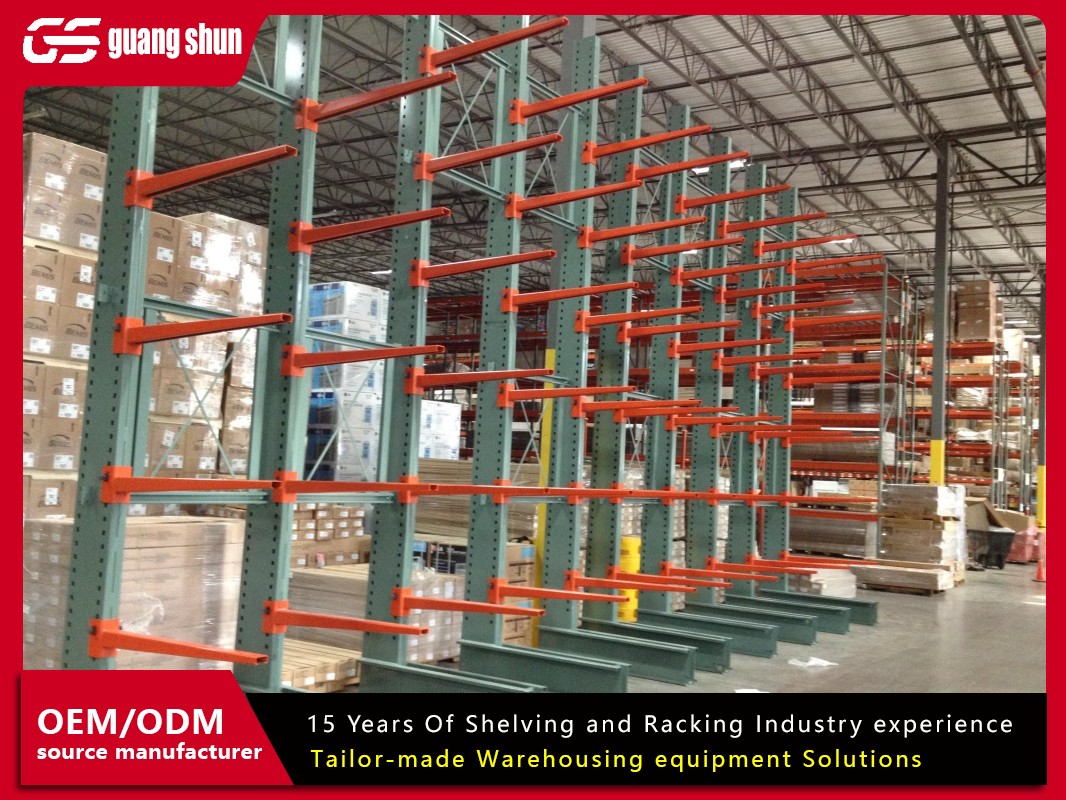
5 Essential Factors for Choosing the Right Heavy Duty Freestanding Shelving UnitsEffective storage is a cornerstone of organized operations, from warehouses to retail stockrooms. Selecting the correct equipment is crucial for safety and efficiency. For many applications, heavy duty freestanding shelving units provide an ideal balance of strength and flexibility. These standalone systems offer robust support without requiring wall attachment. This article outlines five key factors to guide your selection process and ensure a sound investment.
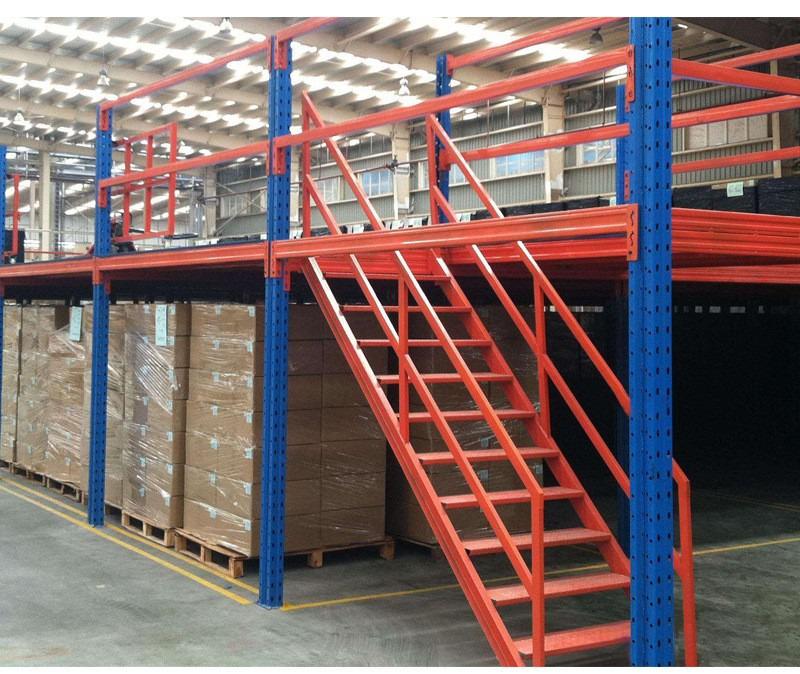
What Are Heavy Duty Freestanding Shelving Units?
These are robust storage systems designed to stand independently on a floor. Unlike wall-mounted options, they are self-supporting structures. The "heavy duty" designation means they are engineered from durable materials like thick-gauge steel. They are built to handle substantial loads, from industrial parts to bulk retail goods, safely and reliably.
Core Characteristics and Design
Specific features distinguish this category of shelving from lighter alternatives.
Independent Structure: Requires no wall support, allowing placement anywhere.
High Load Capacity: Shelves can often hold hundreds to thousands of pounds each.
Industrial-Grade Materials: Typically constructed from powder-coated or galvanized steel.
Modular Design: Many systems allow for easy addition of bays or extensions.
Primary Advantages of This Storage Solution
Implementing heavy duty freestanding shelving units brings several operational benefits. These advantages impact organization, workflow, and long-term costs.
Superior Flexibility and Mobility
Their standalone nature offers unmatched layout flexibility. You can rearrange your floor plan as needs change. Units can be placed in the center of a room to create accessible storage aisles. This adaptability supports business growth and process improvements.
Exceptional Durability and Strength
Built for demanding environments, these units withstand years of use. They resist bending, warping, and damage from heavy or abrasive items. This longevity provides a better return on investment compared to flimsier shelving that requires frequent replacement.
Optimized Space Utilization
By making full use of vertical space, they dramatically increase storage capacity. This clears valuable floor area for other activities. Well-organized shelves also minimize the time workers spend searching for items, boosting overall productivity.
Key Selection Criteria for Your Needs
Choosing the right heavy duty freestanding shelving units requires careful evaluation. Consider these five essential factors to match the product to your specific requirements.
1. Load Capacity and Weight Distribution
This is the most critical specification. You must understand both per-shelf and overall unit capacities. Always account for the weight of your heaviest items and how they will be distributed. Exceeding rated capacities compromises safety and voids warranties.
2. Material Quality and Construction
The build quality determines performance and lifespan. Pay close attention to these details.
Steel Thickness: Measured in gauge; a lower number indicates thicker, stronger steel (e.g., 12-gauge vs. 16-gauge).
Finish Type: Powder coating resists chipping and corrosion better than simple paint.
Connection Method: Bolted assemblies generally offer more strength and stability than clip-together designs.
3. Dimensions and Configurability
Measure your available space carefully before shopping. Consider the unit's overall height, width, and depth. Adjustable shelf heights are a valuable feature, allowing you to customize storage for items of various sizes.
4. Safety and Stability Features
Even freestanding units must be secure. Look for integrated safety elements to prevent accidents.
Positive shelf locking mechanisms that prevent dislodgement.
Optional stabilizer bars or cross-braces to reduce side sway.
Leveling feet to ensure stability on slightly uneven floors.
Clear, legible load rating labels on each unit.
5. Total Cost and Long-Term Value
Look beyond the initial purchase price. Consider the cost per pound of storage capacity and the expected service life. A slightly more expensive, better-built unit often provides far greater value over ten years than a cheaper, less robust alternative.
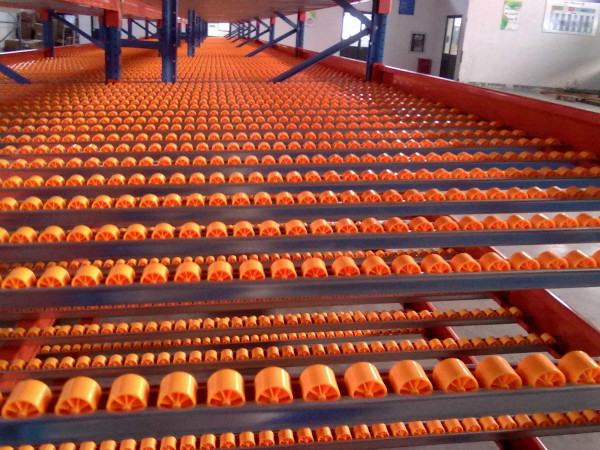
Installation and Best Practices
Correct setup and use are vital for safety and performance. Follow these guidelines to get the most from your shelving investment.
Proper Assembly and Placement
Take time during assembly to ensure a solid foundation.
Assemble the unit on a clean, level, and solid floor surface.
Use a minimum of two people for safety when raising the frame.
Tighten all bolts or connectors securely according to instructions.
Use a level to check for plumb and adjust leveling feet if available.
Ongoing Maintenance and Inspection
Regular checks help identify minor issues before they become major problems.
Inspect for loose bolts, damage, or corrosion every three to six months.
Ensure shelves remain properly seated and locked in place.
Clean spills immediately to protect the finish and prevent slip hazards.
Never alter the unit by drilling or welding without manufacturer approval.
Conclusion: Making a Smart Storage Investment
Selecting the appropriate heavy duty freestanding shelving units is a strategic decision. By thoroughly evaluating load capacity, construction, dimensions, safety, and total cost, you can find a solution that meets your demands. A well-chosen system will organize your space effectively, improve workflow, and deliver reliable service for many years. Use these five factors as a checklist to guide your purchase with confidence.
Frequently Asked Questions (FAQs)
Q1: How do I calculate the load capacity I need for my shelving?
A1: First, weigh your heaviest individual items or boxes. Then, estimate how many of those will go on a single shelf. Multiply to get the total weight per shelf. Choose a unit whose per-shelf capacity exceeds this number by a safe margin (e.g., 20-30%). Also, consider the total weight for the entire unit.
Q2: Can freestanding units be made more stable without anchoring to a wall?
A2: Yes. Many units can be stabilized using optional cross-braces or rear braces. Placing the heaviest loads on the bottom shelves lowers the center of gravity. Ensuring the unit is perfectly level and on a solid floor also greatly increases stability. Some models can be bolted to the floor for permanent installations.
Q3: What is the main difference between bolt-together and rivet-style shelving?
A3: Bolt-together units use separate nuts, bolts, and sometimes wrenches for assembly. They allow for precise tightening and are often considered stronger and more adjustable. Rivet-style (or clip-type) shelves have integrated tabs that snap into pre-punched holes. They assemble faster but may have slightly lower weight ratings and less adjustability.
Q4: Are these shelving units difficult to relocate once assembled?
A4: They can be moved, but it requires effort. For full relocation, it is often easier and safer to partially disassemble the unit—removing the shelves and possibly separating bays. Moving a fully loaded unit is not recommended, as it is dangerous and can damage the floor, the shelving, and the contents.
Q5: What should I look for in the warranty for heavy-duty shelving?
A5: Look for a warranty that covers structural defects in materials and workmanship for a significant period (e.g., 5-10 years or more). Understand what is required for a valid claim, such as proper assembly and not exceeding load limits. A strong warranty often reflects the manufacturer's confidence in their product's durability.