You walk into a warehouse or storeroom, and the first thing you see is how things are stored. A mess of boxes piled on the floor is a red flag. An organized system of metal shelves signals control. The choice isn't just about buying metal; it's about building a system that works.
Picking a warehouse shelving rack can feel like a maze. Light-duty? Heavy-duty? Bolt-together? The options are vast. A wrong choice wastes money, space, and time. It can even create a safety hazard.
This article cuts through the noise. We'll break down the main types of industrial shelving you'll find, clear up where each works best, and give you a straightforward guide on how to choose. Let's get your storage organized from the ground up.
The Main Types: From Boxes to Pallets
Not every shelf is built for the same job. The right warehouse shelving rack depends entirely on what you're putting on it. Here are the five primary categories.
Light-Duty Shelving (Shelving Units)
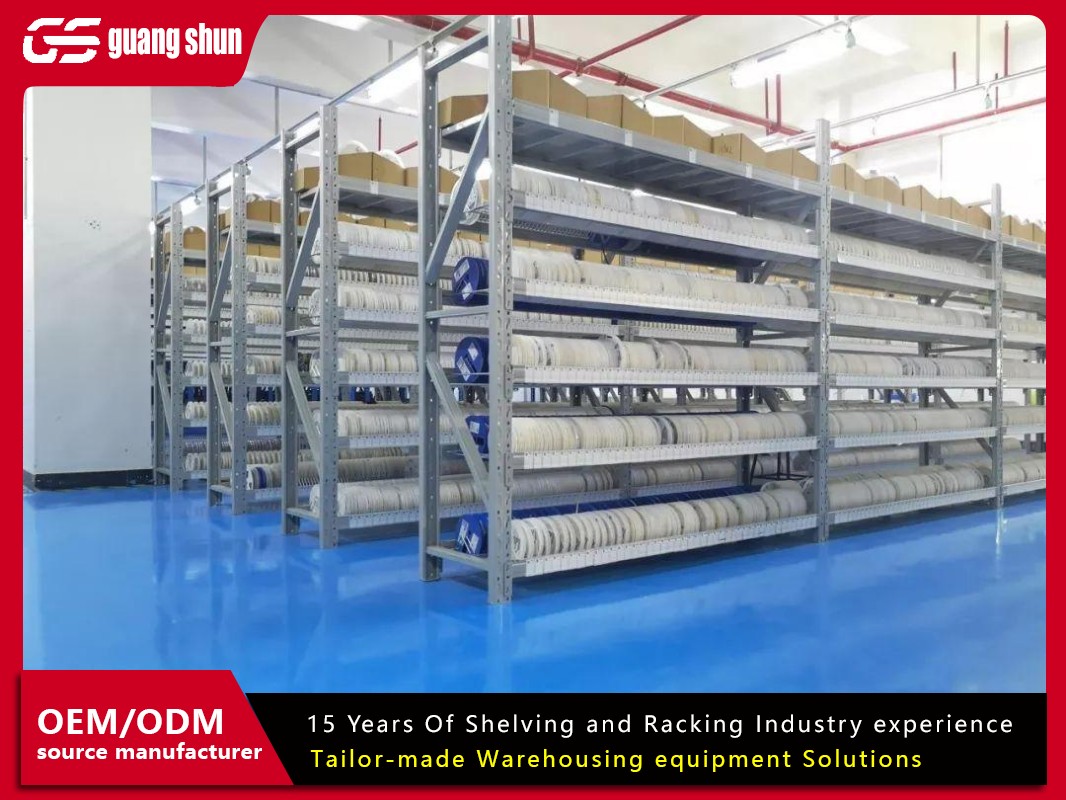
These are your classic bolt-together or clip-style units. Made from lighter-gauge steel with particle board or wire decking, they are perfect for offices, retail backrooms, or warehouses storing light boxes, packaging materials, or documents. They are affordable and easy to assemble but are not for heavy industrial loads.
Medium-Duty & Heavy-Duty Shelving
This is the backbone of many parts rooms and storage areas. Built with thicker steel posts and beams, they support several hundred pounds per shelf. They often feature reinforced decks and can come as bolt-together or welded units. Ideal for tools, automotive parts, and dense boxes.
Industrial Pallet Racking
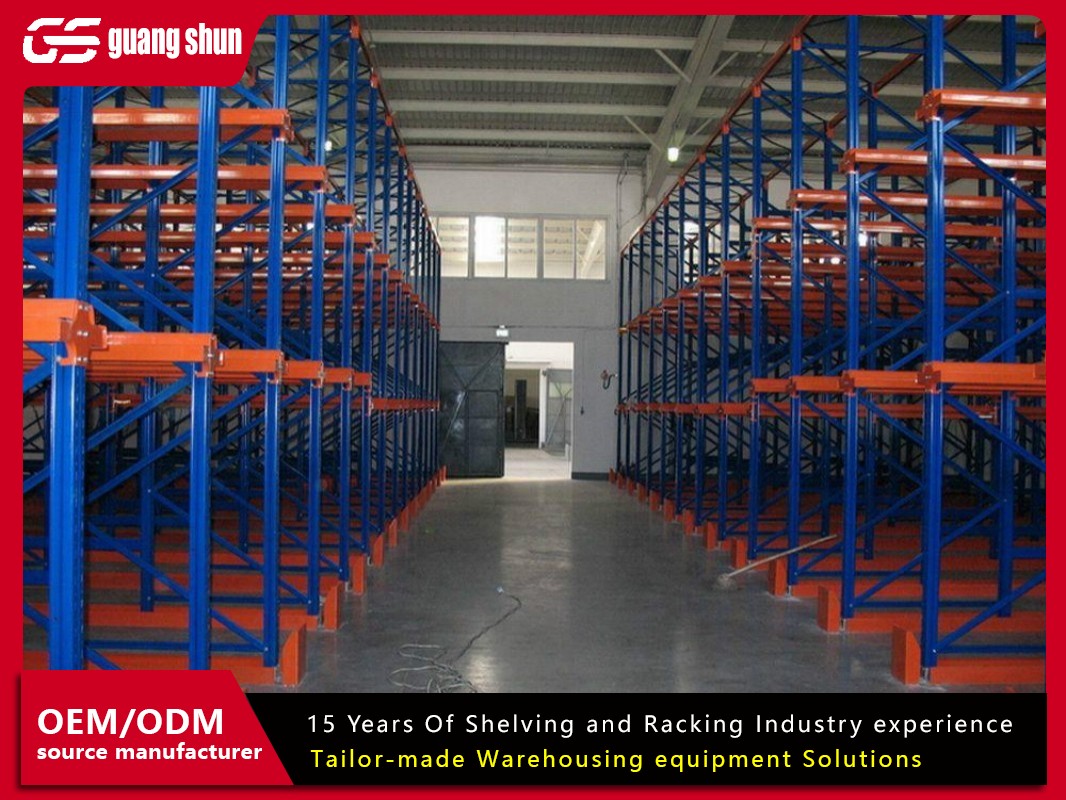
When you hear warehouse shelving rack, many think of this. This is the structural system for full pallet loads. It consists of upright frames and horizontal beams, creating bays for forklifts to access. This isn't "shelving" in the traditional sense; it's a high-capacity structural storage system. Variants include selective, drive-in, and push-back racking for different density needs.
Cantilever Racking
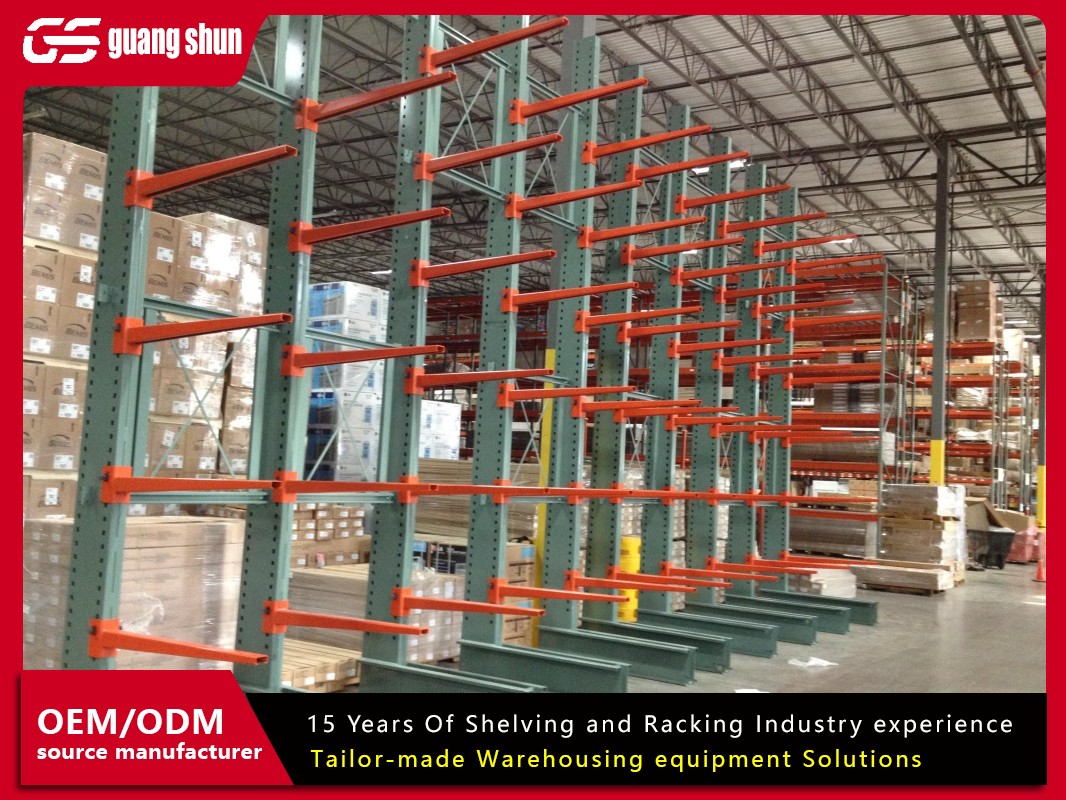
A specialist in the family. Designed with a central column and long, protruding arms, it holds long, awkward items like lumber, piping, tubing, or furniture. The lack of front columns allows for easy side-loading of lengthy materials.
Wire Shelving & Cartridge Racking
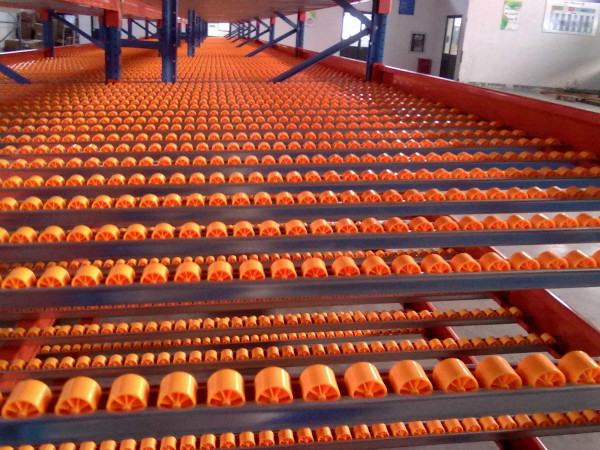
Wire shelving offers excellent visibility and airflow, common in food processing or pharmaceutical settings where cleanliness is key. Cartridge systems are modular, with shelves that slide into posts without tools, allowing for quick, tool-free reconfiguration—great for environments where layout changes often.
Matching the type to your load is the first and most critical step.
Key Factors for Your Selection Guide
Choosing isn't about finding the strongest rack. It's about finding the most suitable one. Here are the four factors that should guide your decision for a storage rack system.
1. Load Weight and Type
This is non-negotiable. What is the maximum weight per shelf, and how is it distributed? Are they uniform boxes or irregular shapes? Light-duty shelves collapse under pallet weight. A pallet racking system is overkill for small bins. Be brutally honest about your heaviest, most awkward item.
2. Accessibility and Workflow
How often do you need the items? Does every box need direct, 100% access (like in a picking warehouse), or are you storing bulk archive boxes? Selective racking offers full access. Dense systems like drive-in sacrifice access for space. For small parts, shelves with bins offer the best accessibility for manual picking.
3. Space and Dimensions
Map your space. Measure ceiling height, column locations, and doorways. Consider your equipment: if using a forklift, you need aisle width and vertical clearance. For hand-picked shelves, ensure workers can safely reach the top shelf. The footprint of your warehouse shelving rack must fit your actual building, not just your ideal layout.
4. Future Flexibility
Will your needs change in two years? Bolt-together shelving is easy to reconfigure. Welded units are more permanent but often stronger. Cartridge systems are champions of flexibility. If your business or inventory is evolving, prioritize a modular industrial shelving system that can grow and change with you.
Write down your answers to these four points before you even look at a product catalog.
Understanding the Cost Breakdown
The price tag on a warehouse shelving rack is more than just the cost of the metal. Understanding the full picture prevents budget surprises.
The main cost driver is capacity and type. Light-duty bolt-together shelving has the lowest upfront cost per bay. Industrial pallet racking is a higher investment due to its heavy-duty materials and engineering. Cantilever racking, with its specialized arms, also commands a premium.
Materials matter. Thicker-gauge steel costs more but supports more weight and lasts longer. The type of decking—particle board, wire mesh, or steel sheet—affects price and function. Wire decking, for instance, might cost more than particle board but offers better fire safety and visibility.
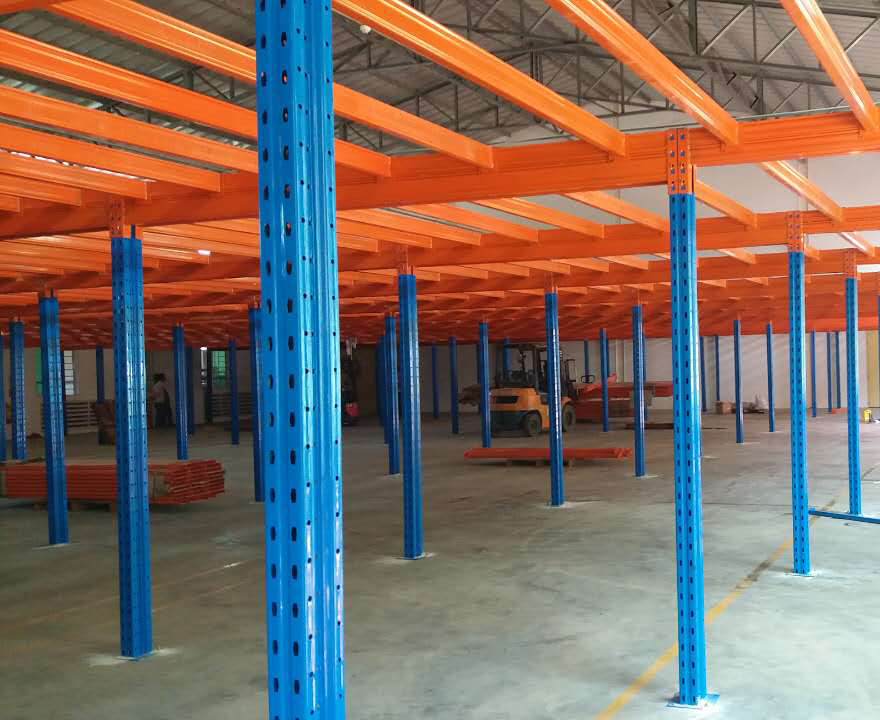
Don't forget ancillary costs. Professional installation is a significant line item for large or complex systems, but it ensures safety and correctness. Freight shipping for heavy steel can be costly. You may also need ancillary items like stairways, mezzanines, or special safety gates.
Think in terms of cost per stored item and long-term value. The cheapest shelf that fails in a year is more expensive than a robust system that lasts a decade.
The Process: From Supplier to Installation
Finding the right partner is as important as finding the right rack. Look for suppliers specializing in industrial storage solutions, not just general equipment sellers.
A good supplier will start with questions, not a sales pitch. They should ask for your load data, space dimensions, and workflow details. They should provide a detailed plan or CAD drawing. This shows they are engineering a solution, not just selling parts.
They must understand and comply with local regulations. This includes building codes, seismic zone requirements, and fire safety standards related to storage rack system clearances and construction.
The manufacturing quality is in the details. For shelving, look at the gauge of steel, the consistency of weld points (if welded), and the quality of the finish—a good powder coat resists chipping and rust. For racking, examine beam connector design and the precision of the upright punchings.
Installation should be performed by trained professionals, especially for tall racking or mezzanines. They ensure the system is perfectly level, plumb, anchored, and that all safety locks are engaged. A poorly installed system, even with the best components, is a liability.
Maintenance and Safety: Keeping It Secure
A warehouse shelving rack is a dynamic piece of equipment. It gets hit, loaded, and unloaded daily. A proper maintenance routine is critical for safety.
Implement a regular inspection schedule. Employees should do visual checks weekly for obvious damage. A formal, documented inspection by a competent person should occur at least annually.
What to look for? Check for dents or bends in upright posts or beams. Look for missing or damaged safety clips, especially on pallet racking systems. Ensure beams are fully seated and locked. Check that shelves are not overloaded or sagging. Look for signs of rust or corrosion.
Enforce load discipline. Every shelf and beam has a rated capacity. Mark these capacities clearly and train staff never to exceed them. An overloaded shelf is a collapsing shelf. The integrity of your entire industrial shelving setup relies on respecting these limits.
Have a damage protocol. If a forklift strikes a post, that section must be immediately off-limits until a professional can assess it. Never try to "hammer out" a dent in a structural column. Replace damaged components.
Frequently Asked Questions (FAQs)
Q1: What's the main difference between warehouse shelving and pallet racking?
A1: The core difference is capacity and access. Warehouse shelving is typically for smaller, hand-loaded items stored on solid or wire decks, with capacities ranging from a few hundred to a few thousand pounds per unit. Pallet racking is a heavy-duty structural system designed to hold full pallet loads, accessed by forklifts, with capacities per level measured in thousands of pounds.
Q2: Can I mix different types of shelving in one warehouse?
A2: Absolutely, and it's often the most efficient approach. You might use heavy-duty pallet racking for full-case storage in one area, medium-duty shelving for parts picking in another, and light-duty units for packing supplies. This tailored approach optimizes both space and budget.
Q3: How do I calculate the load capacity I need?
A3: Weigh your heaviest single item or container that will go on a shelf. Then, calculate the total weight of all items you would place on that shelf at one time. Your shelf's rated capacity must exceed this total weight. Always include the weight of bins or containers holding the items.
Q4: Are used or refurbished racks a safe option?
A4: They can be, but require extreme caution. You must verify the original manufacturer's specifications, ensure all parts are compatible, and have a qualified inspector check for any bends, cracks, or weld repairs. Missing safety clips or damaged connectors are red flags. The cost savings may not outweigh the risk if the history is unknown.
Q5: How high can I safely stack items on shelving?
A5: Safety, not just height, is the goal. Items should never be stacked above the shelf's vertical uprights. Maintain clear visibility for workers. For stability, heavier items should always be stored on lower shelves. Always follow the manufacturer's guidelines for load placement and never exceed the posted weight limits.