If you're running a warehouse, a workshop, or any business with storage needs, you've likely searched for "estanterías industriales." It's a common need, but the options can be overwhelming.
Choosing the wrong system can cost you space, time, and money. The right industrial shelving streamlines everything.
This article breaks down the main types, their uses, and what to consider before you buy. We'll cut through the jargon and give you practical information.
What Exactly Are Industrial Shelving (Estanterías Industriales)?
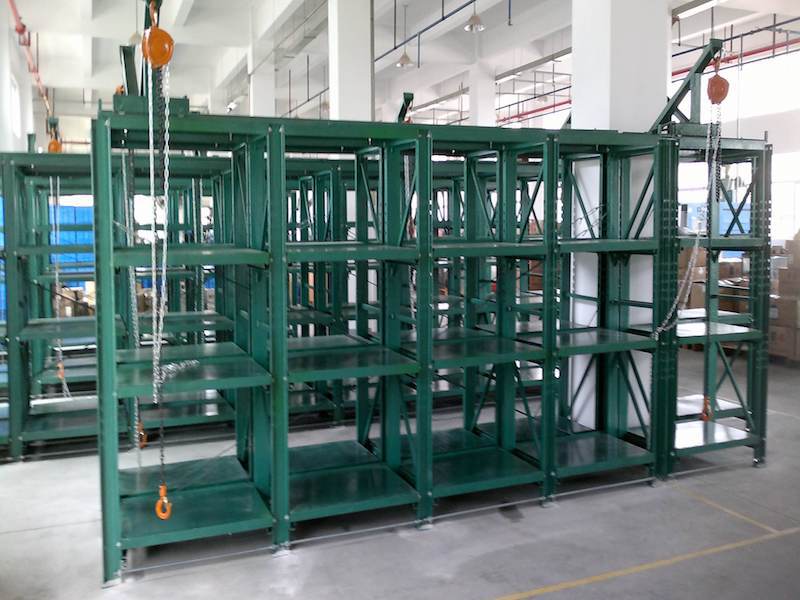
Estanterías industriales, or industrial shelving, are heavy-duty storage systems. They are built to hold substantial weight and withstand tough environments.
Unlike store or office shelving, these units are designed for efficiency and durability. They handle everything from bulky raw materials and machine parts to boxed inventory and tools.
The core goal is to maximize vertical space. This improves organization and accessibility in facilities like warehouses, factories, and distribution centers.
5 Main Types of Industrial Shelving for Different Needs
Not all estanterías de almacén are the same. The best choice depends entirely on what you're storing and how you need to access it.
1. Selective Pallet Racking
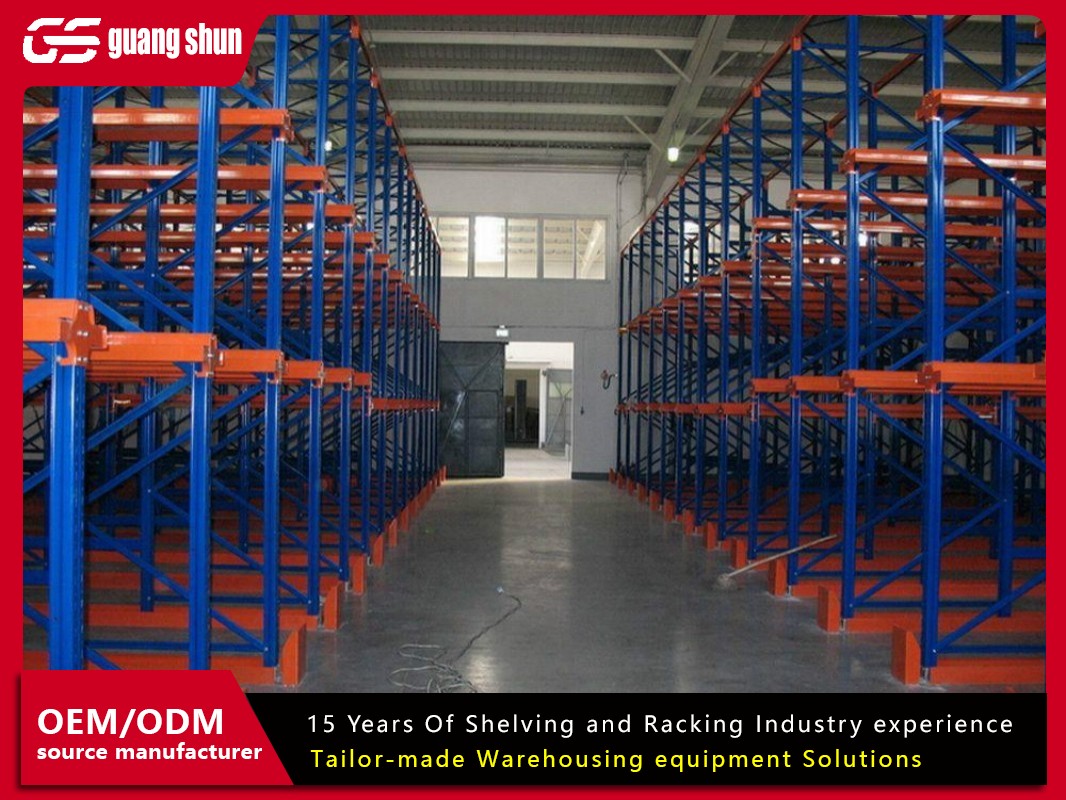
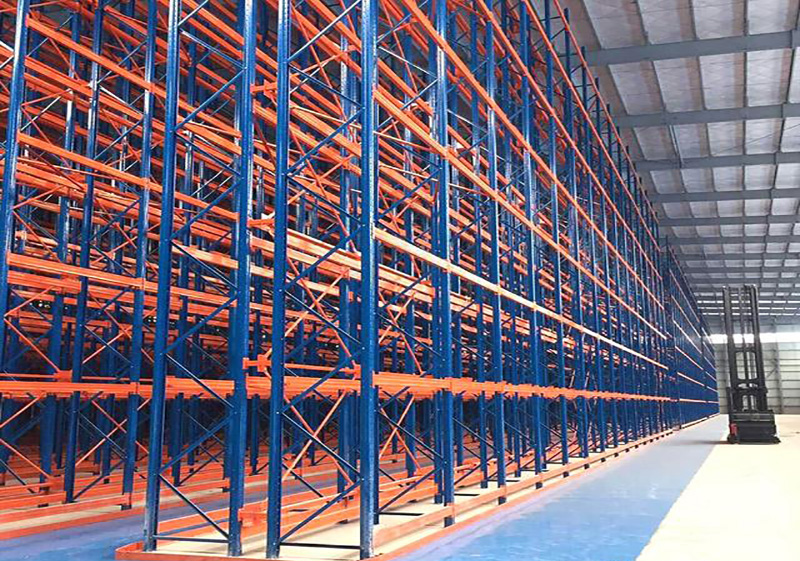
This is the most common system in warehouses. It's designed for palletized goods stored with forklifts.
Each pallet sits on horizontal beams, with direct access to every load. It's highly versatile and efficient for a wide variety of products. For businesses with many different SKUs, selective racking is often the go-to sistema de almacenaje industrial.
2. Cantilever Racking
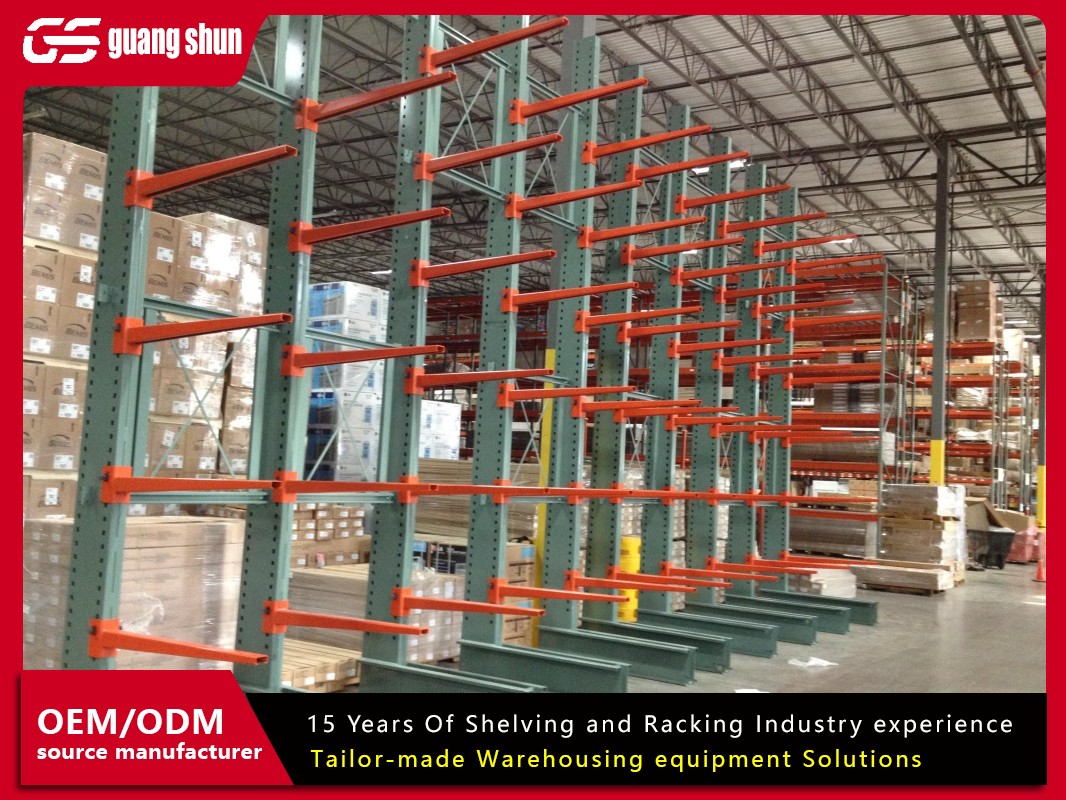
Need to store long, bulky items? Cantilever racks are the answer.
They have arms that extend from a central column, creating unobstructed vertical space. This design is perfect for pipes, timber, furniture, or rolls of material. The lack of front columns makes loading and unloading with equipment much easier.
3. Shelving with Solid Shelves (Estanterías con estantes sólidos)
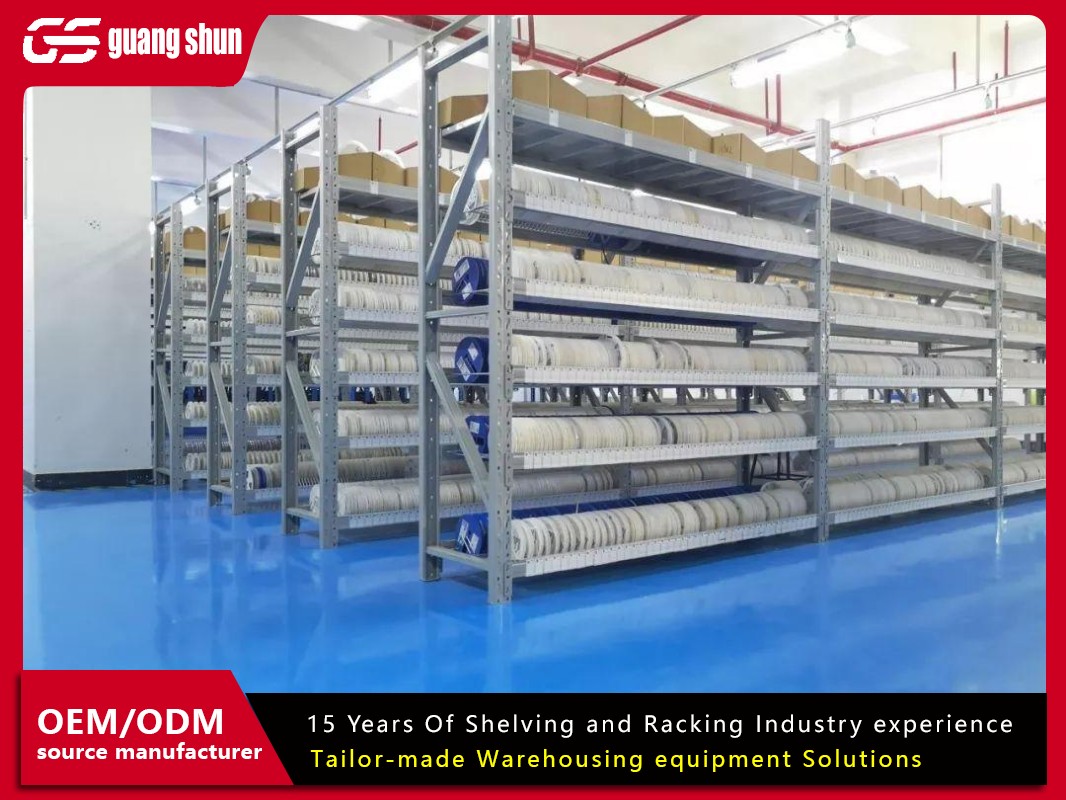
This is what many people first imagine with estanterías industriales. These units feature solid metal shelves, often wire mesh or steel sheet.
They are ideal for smaller items, tools, boxes, or parts that aren't palletized. Items can be stored directly on the shelf or in bins and containers. They are often assembled by hand and provide excellent organization for a workshop or parts room.
4. Mezzanine Flooring
When floor space is maxed out, look up. A mezzanine creates a second or third level within your facility.
It effectively doubles your storage or operational area without expanding the building's footprint. Mezzanines are custom-built structures used for storage, offices, or production areas. They represent a significant solución de almacenamiento for space-constrained operations.
5. High-Density Mobile Shelving
This is a smart solution for archives or storing items with lower access frequency. The shelving units are mounted on carriages that move on rails.
Only one aisle is opened at a time, condensing the storage footprint. This system can increase storage capacity by up to 80% compared to static aisles. It's a premium almacenamiento industrial solution for maximizing every square foot.
How to Choose the Right Industrial Shelving System
Making the right choice involves more than just picking a type. Ask yourself these questions.
What are you storing?
List everything. Consider weight, dimensions, shape, and whether it's palletized. The physical characteristics of your goods dictate the required strength and design.
How do you access inventory?
Is it by forklift, pallet jack, or by hand? Your material handling equipment determines aisle width and racking design. First-in, first-out (FIFO) or last-in, first-out (LIFO) access also influences the choice.
What is your available space?
Measure your floor dimensions and ceiling height accurately. Don't forget to account for sprinkler systems, lights, and structural obstacles. A good layout plan is crucial for efficient organización de almacén.
What is your budget?
Costs vary widely. Simple bolt-free shelving is an economical start. Custom high-density automated systems are a major investment. Consider total cost, including delivery, installation, and potential future reconfiguration.
Price Factors for Estanterías Industriales
There is no single price for estanterías industriales. The cost depends on several factors.
The type of system is the biggest variable. Heavy-duty cantilever racking costs more per unit than standard shelving. Material and finish matter too. Hot-rolled steel with a powder-coated finish is standard for durability.
Size and height directly impact price. Larger, taller systems require more material and robust engineering. Finally, consider add-ons like divider wires, bin fronts, or safety netting. These increase functionality but also the final price.
Always request a detailed quote based on your specific layout and needs. Investing in quality equipamiento de almacén pays off in safety and longevity.
Installation and Maintenance: A Practical View
Some light-duty estanterías metálicas come with a bolt-free design for easy self-assembly. However, for most pallet racking and heavy systems, professional installation is strongly recommended.
Installers ensure the structure is perfectly level, plumb, and anchored correctly. This is critical for safety and load capacity. They also handle all the heavy lifting and complex assembly.
Once installed, maintenance is straightforward but vital. Conduct regular visual inspections for any damage, like bent beams or loose connections. Never exceed the stated load capacity. Keep aisles clear and ensure all safety markings are visible.
Frequently Asked Questions (FAQs) About Industrial Shelving
Q1: What is the main difference between pallet racking and industrial shelving?
A1: "Industrial shelving" is a broad term. Pallet racking is a specific type designed for forklift access and unit loads (pallets). Shelving with solid shelves is typically for smaller, hand-stacked items. Both fall under the category of estanterías industriales, but serve different functions.
Q2: How much weight can industrial shelving typically hold?
A2: Capacity varies dramatically. Light-duty shelving may hold 200 kg per shelf, while heavy-duty pallet racking can hold several tons per level. The load capacity is always specified by the manufacturer per bay and per shelf level. Never assume or guess this number.
Q3: Can I reconfigure or expand my shelving system later?
A3: Most modular sistemas de estanterías are designed for reconfiguration. You can often add beams, shelves, or even entire bays. However, this depends on the specific system design. It's a key question to ask your supplier when purchasing.
Q4: Are there specific safety standards for industrial shelving?
A4: Yes. Reputable manufacturers design and test their systems to meet national and international safety standards for load-bearing storage equipment. Always look for proof of compliance. Proper installation and use are also critical parts of safety.
Q5: What is the typical lead time for receiving and installing shelving?
A5: For standard systems, lead times can range from a few days to a few weeks. For large, custom projects, it may take several weeks for manufacturing and scheduling. Planning your storage project well in advance is always advisable to avoid operational delays.