You hear it first. A faint groan from the racking bay when the forklift places a full pallet. You see it next. A slight, permanent tilt in the upright frame, or beams that bow more than they used to. These aren’t minor issues. They are clear signals your storage infrastructure is under stress.
For operations storing dense, bulky, or high-volume inventory, standard shelving simply won’t cut it. The risk of failure isn’t just about damaged goods; it’s about safety, efficiency, and long-term costs.
This article breaks down what truly defines heavy duty warehouse racks, when you need them, and how to choose a system that won’t let you down.
What Makes a Rack “Heavy Duty”?
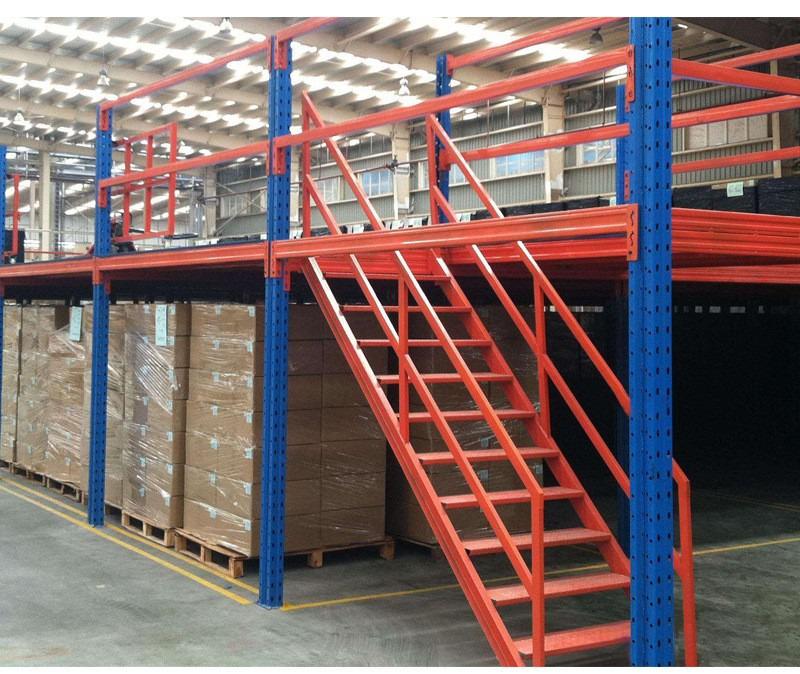
It’s not just a marketing term. True heavy duty warehouse racks are defined by specific engineering and material qualities designed for extreme loads and constant use.
First, the steel gauge. These racks use thick, high-strength steel, often 12-gauge or lower (remember, a lower number means thicker steel). The components feel substantial and have minimal flex.
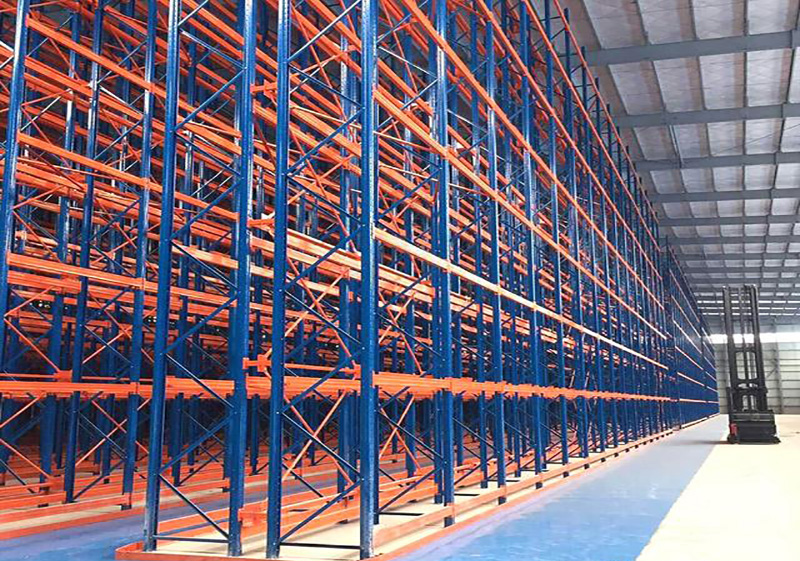
Second, the design. You’ll see robust connections, often with thick bolt-together assemblies or heavy-duty teardrop-style connections. Upright frames are deeper and may feature additional reinforcement channels or trusses.
Finally, the load capacity. While standard racks may handle a few thousand pounds per level, heavy duty pallet racking systems are engineered for capacities starting at 8,000 lbs per shelf and going far beyond. They are built for the weight of industrial machinery parts, dense beverages, or stacked bulk materials.
The Clear Cost of Using the Wrong Rack
Trying to save money with medium-duty racks for a heavy-duty job is a false economy. The consequences are tangible.
Immediate safety hazards are the biggest concern. Overloaded beams can buckle. Stressed uprights can collapse. This endangers workers and can lead to catastrophic inventory loss.
Operational inefficiency creeps in. Workers lose confidence in the system, slowing down. You may be forced to underload racks as a safety precaution, wasting valuable vertical space.
Long-term, you’ll face constant repairs and a much shorter system lifespan. The cost of replacing a failed system early, plus potential regulatory fines and insurance premium hikes, dwarfs the initial investment in proper heavy duty industrial shelving.
Types of Heavy Duty Rack Systems: More Than One Solution
Not all heavy loads are the same. The best system depends on your inventory profile and access needs.
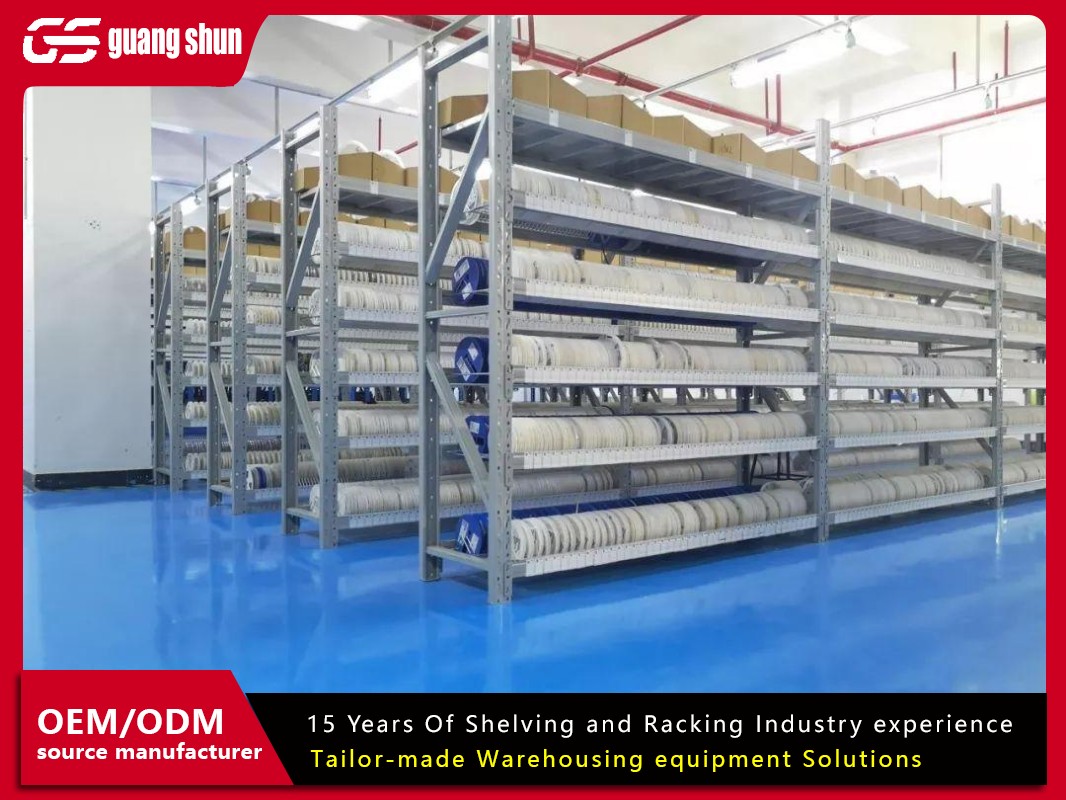
Selective Pallet Racking (Heavy-Duty Grade): This is the most common format. It allows direct access to every pallet. The heavy duty version features reinforced uprights and beams with much higher load ratings. Ideal for warehouses with a wide SKU range where every pallet needs frequent access.
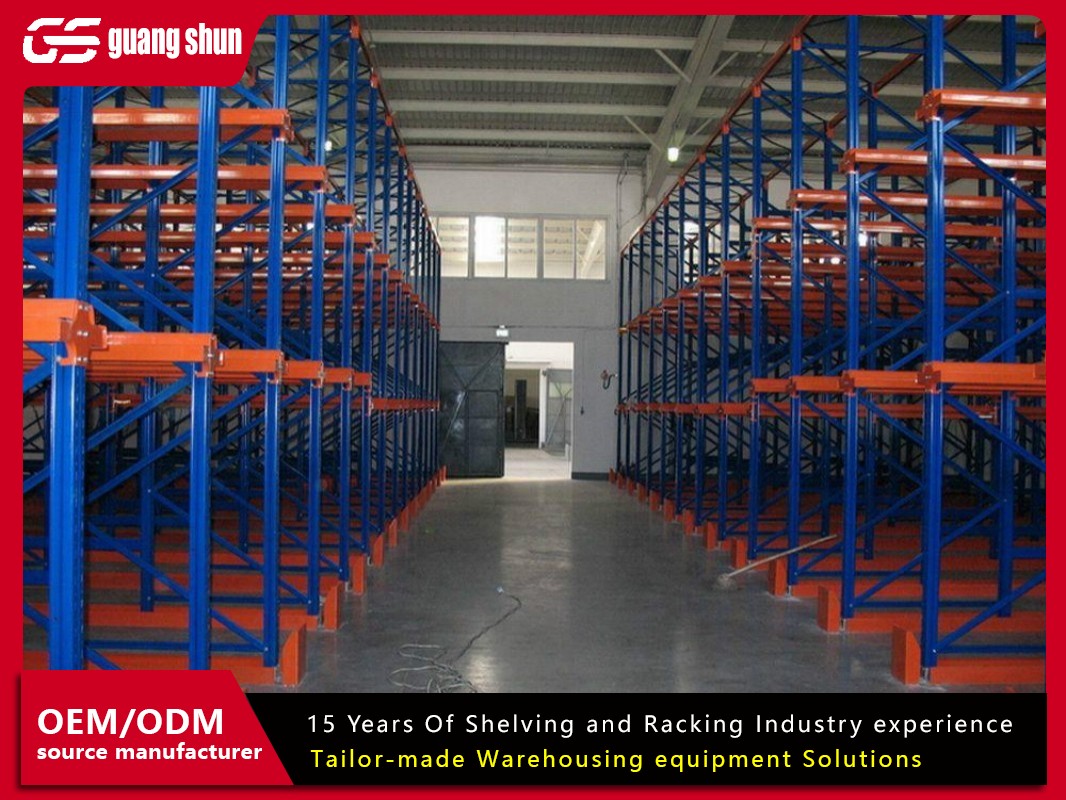
Drive-In/Drive-Through Racks: These are heavy duty warehouse racks designed for high-density storage of fewer SKUs. Forklifts drive directly into the rack structure to store and retrieve pallets. They are built with incredibly strong uprights to withstand the impact and weight of multiple loaded pallets deep. Perfect for cold storage or high-volume beverage storage.
Push-Back Racks: Another high-density option. Pallet carts ride on inclined rails within a heavy duty structural frame. When a new pallet is loaded, it pushes the previous ones back. They offer better selectivity than drive-in systems and are built to handle the dynamic load of moving carts.
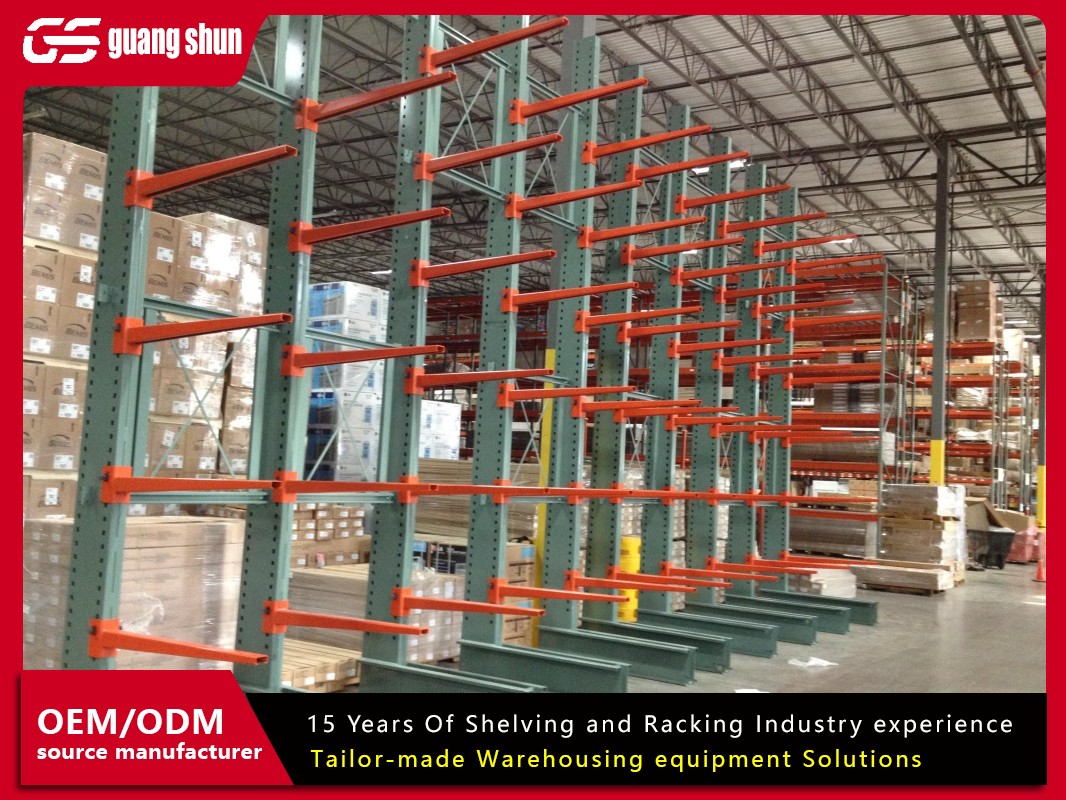
Cantilever Racks: Designed for long, bulky items like lumber, pipes, or furniture. They feature strong vertical columns with arms that extend out, eliminating front-column obstructions. The heavy duty focus here is on the column’s resistance to bending moment and the strength of the cantilevered arms.
A Step-by-Step Guide to Specifying Your System
Choosing the right system requires careful calculation. Guessing can be dangerous.
1. Know Your True Load. Weigh your heaviest loaded pallet, including the pallet itself. Don’t use an average. Your system must be rated for the maximum, not the typical.
2. Measure Everything. Document pallet dimensions (length, width, height), total building clear height, and floor conditions. Note any obstructions like sprinklers or lights.
3. Define Your Access Pattern. How quickly do you need to turn over inventory? This determines if you need selective access (fast turnover) or high-density (slower turnover, bulk storage).
4. Get Professional Engineering. Reputable suppliers provide engineered layout drawings and load capacity charts. These are non-negotiable documents. They certify that the specified heavy duty warehouse racks will safely hold your loads in your configuration.
5. Plan for Protection. Factor in the cost of column guards, rack protectors, and aisle markings. For heavy duty systems, a single forklift impact can compromise integrity. Protection is a smart part of the investment.
Understanding the Real Price of Heavy Duty Racking
The initial quote might cause sticker shock. It’s important to understand what you’re paying for.
The primary cost driver is raw material—the amount of high-grade steel. More steel and thicker steel cost more. Hot-dip galvanized finishes for corrosive environments add cost but are essential for longevity.
Customization, like very tall heights or non-standard beam lengths, increases price. Professional installation by certified technicians is crucial for safety and often represents a significant portion of the project.
View this as a 20+ year infrastructure investment, not an expense. Compared to the cost of a collapsed rack—liability, downtime, lost inventory—the premium for properly engineered heavy duty pallet racking is justified.
Installation and Safety: It’s Not a DIY Project
Self-installing heavy duty warehouse racks is a profound risk. These systems must be perfectly plumb, anchored to engineered specifications, and assembled with precise torque settings.
Professional installers have the tools and expertise to ensure the foundation is correct. They follow strict protocols for beam locking and seismic bracing (if required). They also conduct a final load test and inspection.
Once operational, implement a rigorous inspection routine. Train staff to report any impact, visible damage, or bending immediately. Annual formal inspections by a qualified professional are a must to maintain safety and warranty compliance.
Your heavy duty warehouse racks are the skeleton of your operation. Choosing, installing, and maintaining them with the seriousness they demand is the foundation of a safe, efficient, and scalable warehouse.
Frequently Asked Questions (FAQ)
Q1: What’s the actual weight capacity difference between standard and heavy duty racks?
A1: Standard adjustable pallet racking might max out around 4,000-6,000 lbs per beam level. True heavy duty warehouse racks start at 8,000 lbs per level and can easily go to 15,000 lbs or more for specialized applications. The difference is in the steel thickness and structural design.
Q2: Can I reinforce my existing medium-duty racks to make them heavy duty?
A2: No. Rack systems are engineered as complete units. Adding external reinforcement or overloading beyond the manufacturer’s certified capacity voids all safety ratings and is extremely dangerous. If your needs have changed, you need to replace the system with one designed for the higher load.
Q3: How important is the flooring underneath heavy duty racks?
A3: Critically important. The concrete slab must have sufficient compressive strength to handle the concentrated point loads. A professional site evaluation should always check this. Weak flooring can crack or crumble under the immense weight of loaded heavy duty industrial shelving.
Q4: Are used heavy duty racks a safe option?
A4: They can be, but require extreme caution. You must have them inspected by a qualified rack engineer for straightness, corrosion, weld integrity, and any prior repairs. You also need the original manufacturer’s load capacity charts for that specific model and configuration. Missing or damaged components are a red flag.
Q5: How often do heavy duty racks need to be professionally inspected?
A5: At a minimum, a formal inspection by a qualified person should occur annually. However, visual inspections by warehouse staff should be conducted weekly or monthly, and immediately after any known impact or seismic event. Documentation of all inspections is key for safety and liability management.