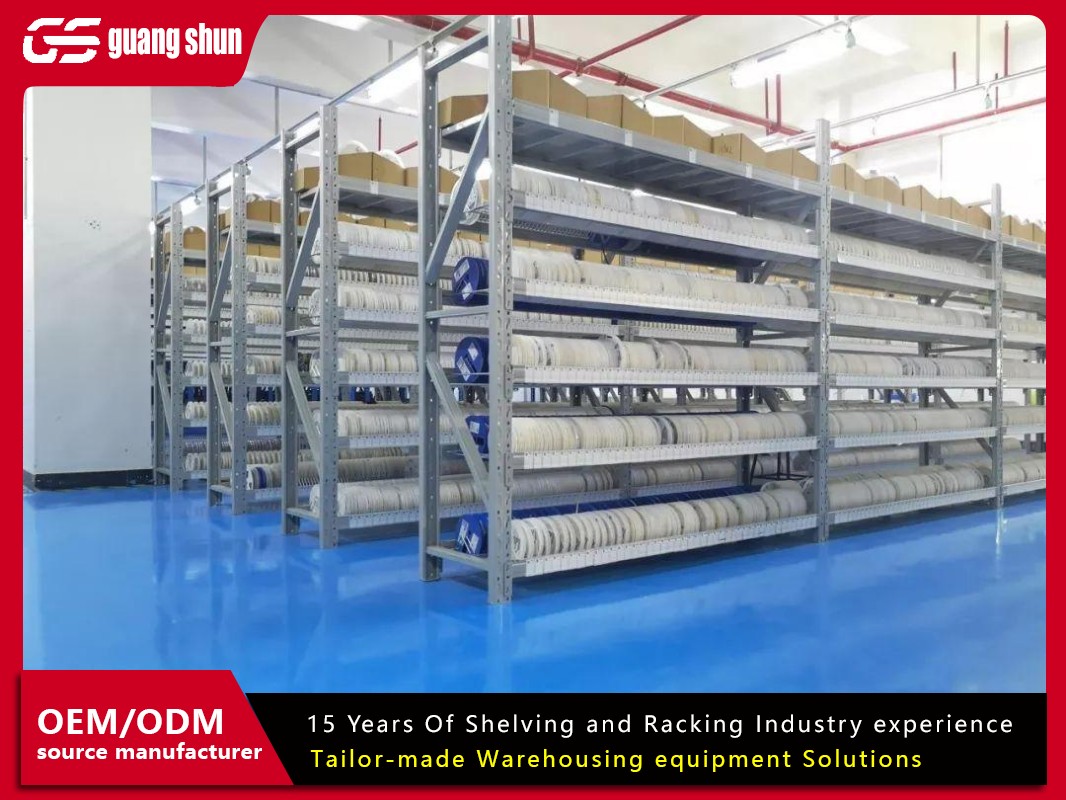
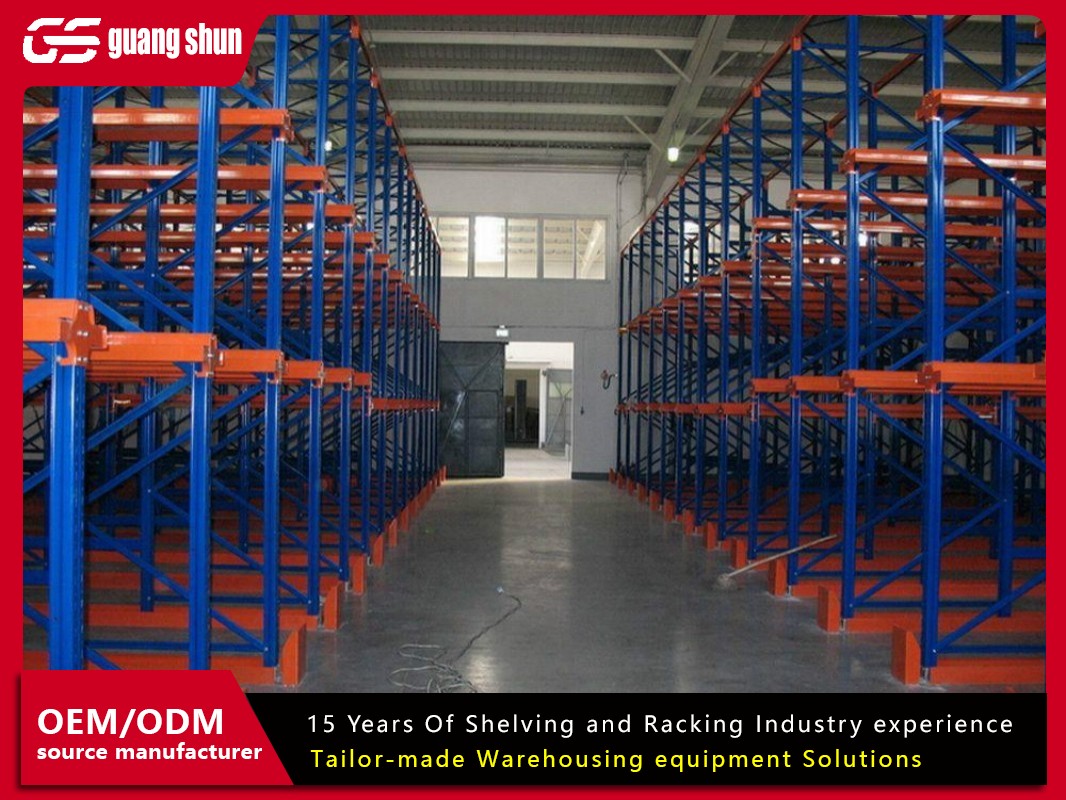
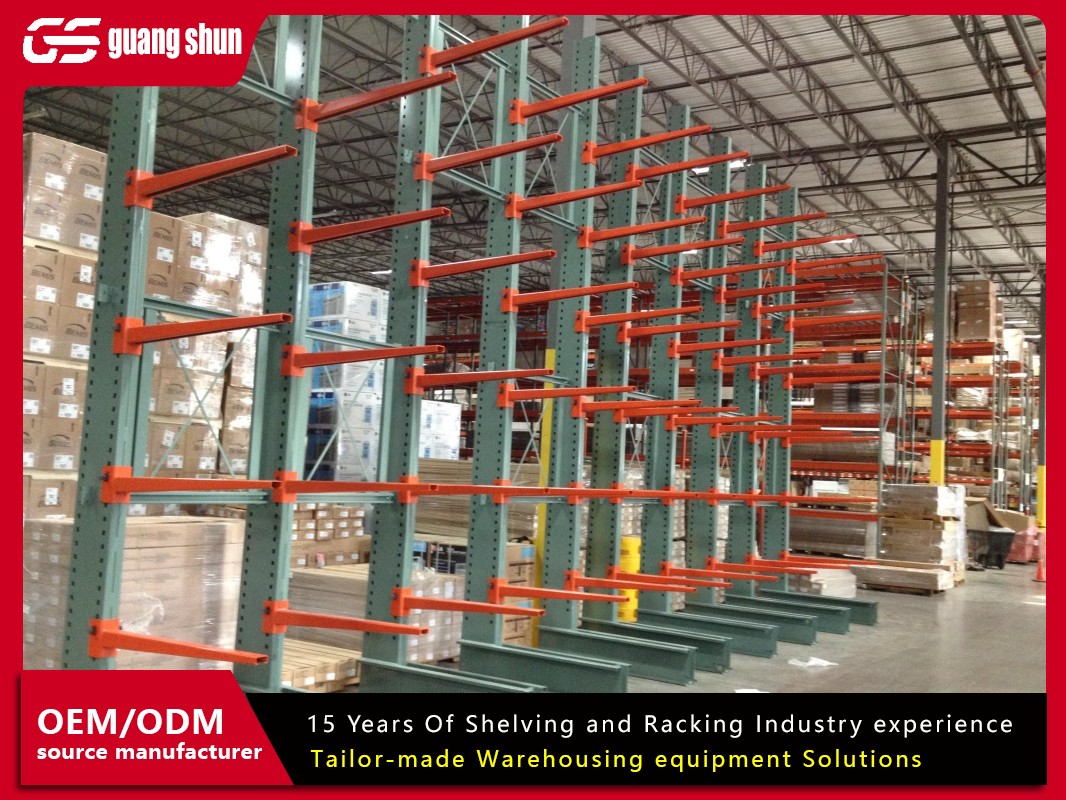
If you're running out of floor space and need to get organized, you've probably searched for storage solutions. Among the many options, 4 tier heavy duty shelving consistently stands out. It's the workhorse of garages, warehouses, workshops, and stockrooms.
But not all heavy-duty shelving is created equal. Buying the wrong unit can lead to safety hazards, wasted money, and frustration. This isn't just about putting up some shelves; it's about creating a reliable, long-term storage system for your valuable items.
Let's walk through the seven essential things you need to understand before investing in a 4 tier industrial shelving unit. Getting these points right will ensure you get a rack that actually handles your load, lasts for years, and makes your space more efficient.
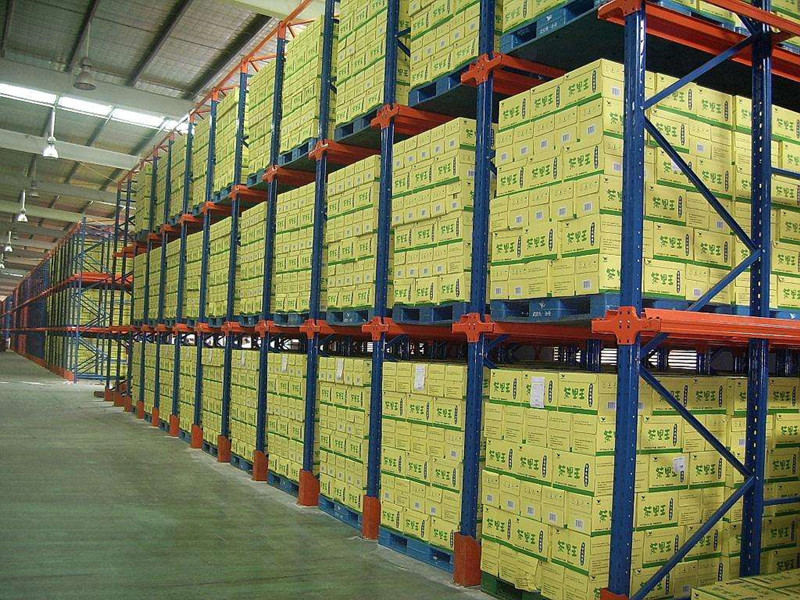
What Exactly Is 4 Tier Heavy Duty Shelving?
First, let's define what we're talking about. A 4 tier shelving unit simply means a freestanding rack with four adjustable shelves, including the top level. The "heavy duty" designation is key—it separates these from flimsy, boltless wire shelves or light-duty garage units.
True heavy duty storage shelving is characterized by its construction. It typically features strong, vertical upright frames made from thick steel. The shelves themselves are often solid steel plate, particle board supported by beams, or heavy-gauge wire decking.
The purpose is to store substantial weight on each level. We're talking about auto parts, industrial supplies, bulk packaging, toolboxes, or commercial inventory. This is the shelving you buy when standard retail store shelves just won't cut it.
1. Decoding Weight Capacity: The Most Critical Spec
This is the number one mistake people make. They see "heavy duty" and assume it will hold anything. You must look at two capacity ratings for any 4 tier heavy duty rack.
Shelf Capacity per Tier: This is the maximum distributed weight each individual shelf can hold. For a true heavy-duty unit, expect this to range from 500 lbs to 2,000 lbs per shelf. Always plan for your heaviest possible load on any given shelf.
Overall Unit Capacity: This is the total weight the entire assembled 4 tier shelving structure can safely support. If each shelf holds 1,000 lbs, the unit capacity should be at least 4,000 lbs. Never exceed the lower of these two ratings.
Pro Tip: The advertised capacity often assumes weight is evenly distributed. Placing a single, ultra-heavy item in the center of a shelf can stress it beyond its limit. Always think about how the weight is spread out.
2. Construction & Materials: What to Look For
The durability of your industrial shelving comes down to the materials and how they're put together.
Steel Gauge: Lower gauge numbers mean thicker, stronger steel. Look for uprights and beams made from 12-gauge to 16-gauge steel. Shelves made from 20-gauge or thicker steel plate are robust. Thin, flimsy metal will bow and sag over time.
Shelf Deck Type: Your choice depends on what you're storing.
- Particle Board (MDF) on Beams: Common and cost-effective. Good for boxes and evenly distributed weight. It can be damaged by moisture or sharp edges.
- Solid Steel Plate: The strongest option. Ideal for heavy machinery parts, tools, and items that might leak. Easy to clean.
- Heavy-Gauge Wire Decking: Allows for light and air circulation. Perfect for storage where dust needs to fall through or in washdown environments. Ensure the wire is thick and the grid is tight.
Finish: A high-quality powder-coated or epoxy finish resists rust, scratches, and chemicals far better than a simple paint spray. This is crucial for a long lifespan in a workshop or garage.
3. Design Features for Safety and Flexibility
A well-designed heavy duty shelving unit offers features that improve safety and adapt to your needs.
Adjustability: Shelves should be easy to move without completely disassembling the unit. Look for systems with clip-in beams or pinned connections that allow you to change shelf heights in 1- or 2-inch increments. This lets you accommodate items of various sizes.
Stability & Bracing: Diagonal cross-braces on the back and sides are non-negotiable for a tall, loaded 4 tier rack. They prevent racking (side-to-side sway) and collapse. Some units offer optional wall-anchoring kits for earthquake-prone areas or extra peace of mind.
Footplates & Levelers: Wide, welded footplates at the base of each upright provide a stable foundation. Some premium units include adjustable leveling feet, which are invaluable on uneven concrete floors.
4. Assembly and Installation Reality
Don't underestimate the task of putting together a 4 tier heavy duty shelving unit. These are large, heavy kits.
Most units require basic tools: a rubber mallet, a wrench, and possibly a socket set. Having a second person is highly recommended, not just for lifting but for holding pieces steady during assembly.
Follow the instructions meticulously, especially the order of operations. Ensuring all beams are fully seated and locked into the uprights is critical for safety. Once assembled and loaded, use a level to check that the unit isn't leaning, and adjust if necessary.
5. Ideal Uses and Applications
Where does a 4 tier industrial shelving unit make the most sense?
- Warehouses & Stockrooms: Storing bulk supplies, spare parts, and commercial inventory.
- Garages & Workshops: Organizing tools, automotive fluids, painting supplies, and power equipment.
- Retail Backrooms: Holding overstock, seasonal items, and packaging materials.
- Industrial Facilities: Keeping maintenance parts, safety gear, and raw materials accessible.
- Agricultural Buildings: Storing feed, fertilizers, and equipment parts.
It's the perfect solution when you need high weight capacity and accessible, organized storage without the permanent commitment of pallet racking.
6. Potential Limitations and Drawbacks
It's honest to acknowledge where this type of shelving might not be the best fit.
Footprint: These units have a substantial footprint. You need to plan the layout, ensuring there's enough space for the unit itself and aisle space to access it.
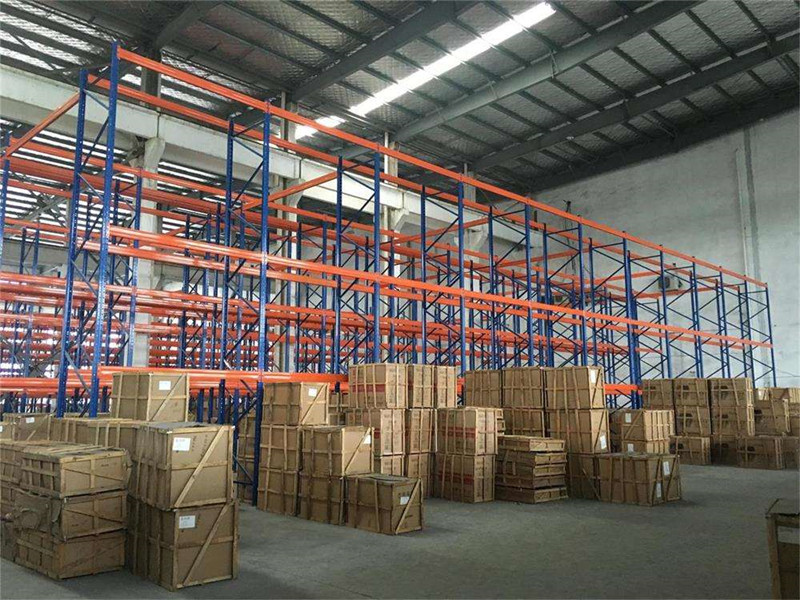
Not for Palletized Goods: They are designed for hand-loaded items, not for storing full standard pallets with a forklift. For that, you need true pallet racking.
Cost: Quality heavy duty storage shelving is an investment. While cheaper units exist, they often compromise on steel gauge and stability, which is a safety risk.
7. Making the Final Decision: A Simple Checklist
Before you click "buy," run through this list:
- Verified Capacity: Does the per-shelf and total unit capacity exceed my heaviest planned load?
- Material Quality: Is the steel gauge and finish suitable for my environment (e.g., humid garage, industrial shop)?
- Shelf Type: Does the decking (wire, wood, steel) match what I'm storing?
- Dimensions: Do the unit's width, depth, and height fit my available space and item sizes?
- Safety Features: Does it have proper bracing and a stable base? Do I need to anchor it to the wall?
- Budget: Am I choosing a reputable, durable unit over a cheaper, risky alternative?
Spending time on these considerations will guarantee you get a 4 tier heavy duty rack that serves you safely for decades.
FAQ: Common Questions on 4 Tier Heavy Duty Shelving
Q1: How much weight can a typical 4 tier heavy duty shelving unit hold?
A1: There is no single "typical" weight. True heavy duty shelving units range widely. A good quality unit might offer 1,000 to 1,500 lbs per shelf, for a total unit capacity of 4,000 to 6,000 lbs. Always check the manufacturer's specific ratings for both per-shelf and total capacity before purchasing.
Q2: Do I need to bolt my 4 tier shelving to the wall?
A2: While many freestanding units are designed to be stable on their own, bolting them to the wall is always a recommended safety best practice. It is crucial for seismic zones, if the unit is very tall, or if there is any risk of it being impacted (e.g., by a hand truck). If an anchoring kit is available, use it.
Q3: Can I use these shelves to store multiple heavy tool chests?
A3: Yes, this is a common and excellent use. First, sum the weight of your fully loaded tool chests. Ensure the total does not exceed the per-shelf capacity of the tier you place them on. Distribute the heaviest chests on the lower shelves for optimal stability of the 4 tier rack.
Q4: What's the main difference between "heavy duty" and "industrial" shelving?
A4: The terms are often used interchangeably, but "industrial shelving" usually implies a higher tier within the heavy-duty category. Industrial units often feature thicker steel (lower gauge), all-welded construction, higher weight ratings (2,000+ lbs per shelf), and may comply with specific commercial or industrial standards.
Q5: What tools will I need to assemble it?
A5: Assembly usually requires basic hand tools. Typically, you'll need a rubber mallet (to tap beams into place without damaging the finish), adjustable wrenches or socket sets for any bolts, and a level. Having a second person to help is strongly advised for safety and ease.