In the relentless pursuit of warehouse optimization, the choice of storage system is a fundamental decision that impacts everything from operational costs to daily throughput. Among the most common and versatile solutions is wide aisle racking. While the name might seem self-explanatory, understanding its strategic application, inherent advantages, and optimal design is crucial for logistics managers and warehouse planners. This guide delves into the specifics of wide aisle racking systems, helping you determine if this robust solution is the right fit for your facility's needs.
What Exactly is Wide Aisle Racking?
At its core, wide aisle racking is a type of pallet storage system characterized by its, as the name implies, wider aisles. It is a conventional, roll-formed, or structural rack configuration where the aisles between the racking rows are wide enough to allow a standard counterbalance forklift truck to operate comfortably. These systems are typically designed with aisles ranging from 11 to 13 feet, though this can vary based on the specific forklift model and load dimensions.
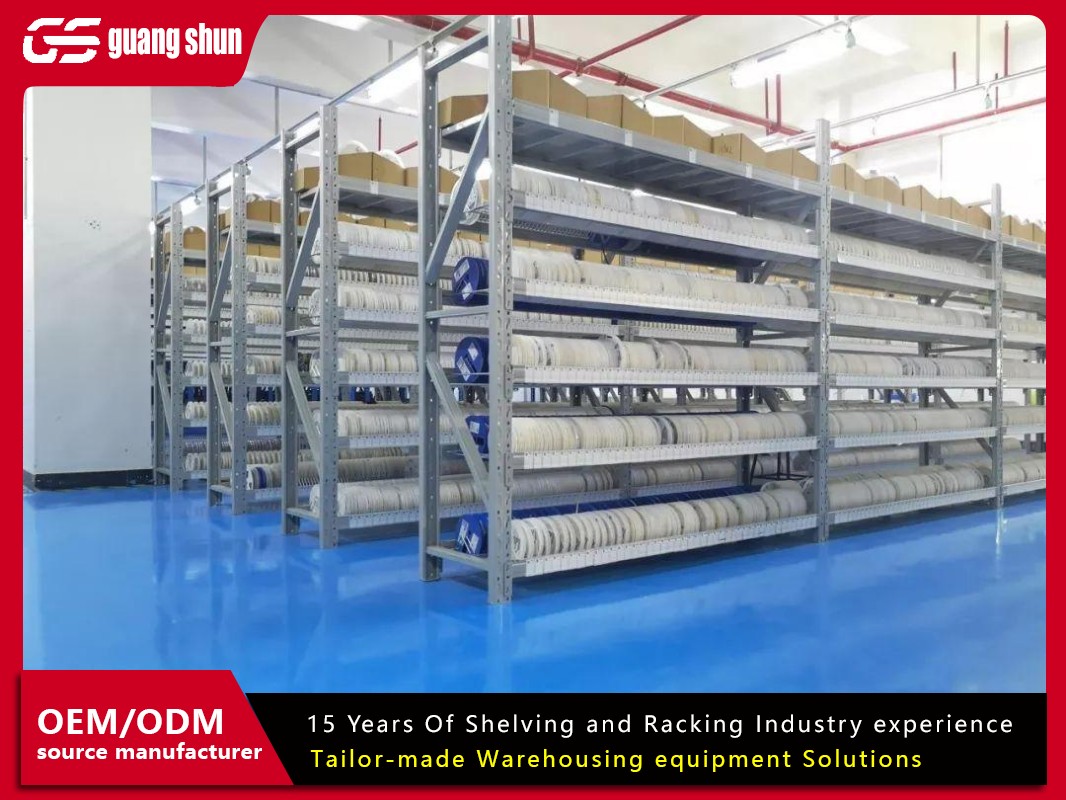
The fundamental design of a wide aisle racking system involves upright frames and horizontal beams that create multiple load bays. Each pallet is stored directly on these beams, allowing for direct, selective access to every single pallet location. This simplicity and accessibility are the hallmarks of the system, making it a go-to choice for a vast number of warehouses worldwide.
How Wide Aisle Racking Compares to Other Storage Systems
To truly appreciate the role of wide aisle racking, it's helpful to contrast it with other common systems:
vs. Narrow Aisle Racking: This is the most direct comparison. Narrow aisle racking requires specialized forklifts, like reach trucks, and operates in aisles typically between 7 to 9 feet wide. While narrow aisle systems boast significantly higher storage density, they come with higher equipment costs and potentially slower cycle times. Wide aisle racking, in contrast, leverages standard and often more durable counterbalance forklifts, which are generally cheaper to purchase and maintain.
vs. Very Narrow Aisle (VNA) Systems: VNA systems push density to the extreme, with aisles as narrow as 5 to 6 feet, requiring specialized turret trucks or guided systems. The investment is substantial. Wide aisle racking represents a lower-cost, more flexible alternative where maximum density is not the primary driver.
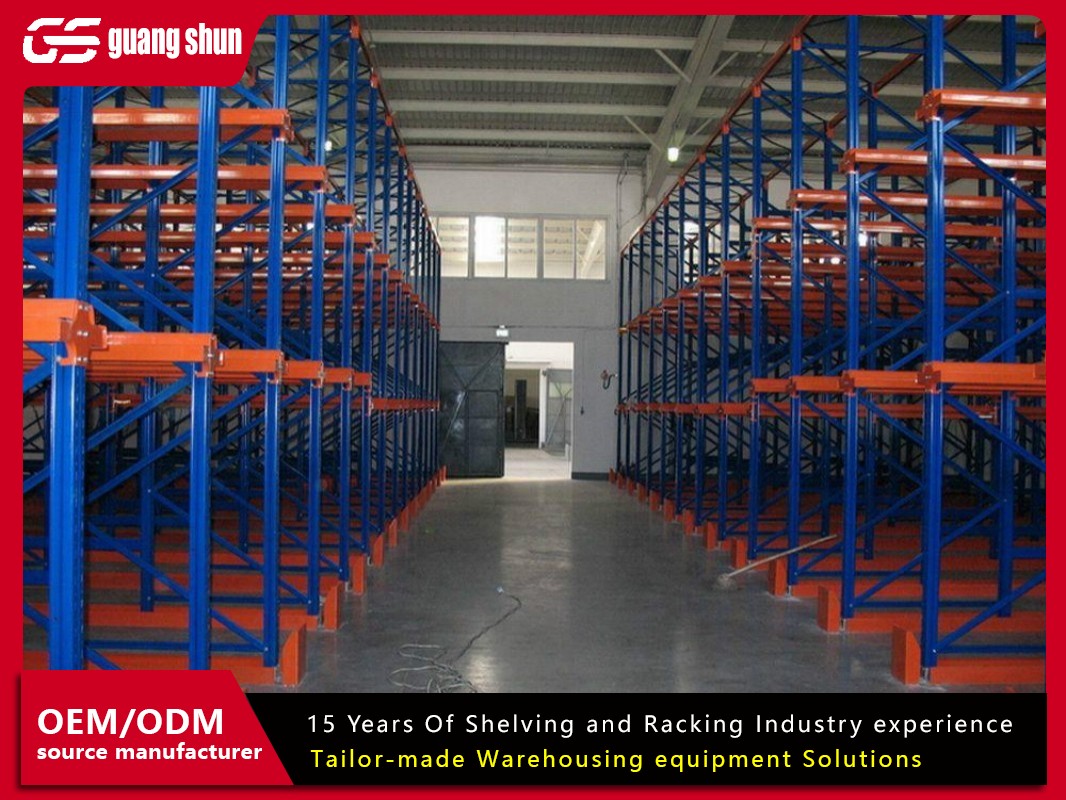
vs. Drive-In Racking: Drive-in systems are a high-density alternative where forklifts drive directly into the rack structure. They operate on a Last-In, First-Out (LIFO) basis, which is less flexible than the direct, selective access offered by wide aisle racking.
The choice between these systems often boils down to a classic trade-off: storage density versus operational flexibility and cost.
Key Applications and Ideal Use-Cases for Wide Aisle Racking
The versatility of wide aisle racking makes it suitable for a wide range of industries and operational models. It is particularly well-suited for:
Warehouses with a High SKU Count: The selective nature of the system means every pallet is accessible at all times. This is ideal for facilities handling thousands of different products, such as in distribution centers for consumer goods, electronics, or pharmaceuticals.
Fast-Moving Consumer Goods (FMCG): Operations requiring rapid and random access to goods benefit greatly from the straightforward operation of wide aisle racking.
Facilities with Existing Counterbalance Fleets: For companies already invested in a fleet of standard forklifts, transitioning to or installing a wide aisle racking system is a natural and cost-effective progression.
Bulk Storage with Variable Pallet Sizes: The system's beam levels are easily adjustable, accommodating pallets of various heights and sizes within the same racking bay, providing excellent adaptability.
Situations Where Simplicity and Cost are Paramount: As one of the most economical racking solutions to install and maintain, wide aisle racking offers a fantastic balance of performance and investment.
Critical Design and Selection Considerations
Simply deciding on a wide aisle racking system is not enough. Its performance hinges on precise design and planning. Here are the key factors to consider:
Forklift Specifications: This is the starting point. The turning radius and overall dimensions of your counterbalance forklifts will directly dictate your minimum aisle width. Always consult your forklift manufacturer's specifications during the planning phase.
Aisle Width Calculation: An aisle that is too narrow will cripple efficiency and cause damage; one that is too wide wastes valuable floor space. Aisle width is calculated based on the forklift's turning radius, load size, and a necessary safety clearance.
Load Dimensions and Weight: The physical size and weight of your unit loads determine the required beam length and the overall load capacity of the wide aisle racking system. Accurate data is non-negotiable for structural integrity.
Building Layout and Clear Height: Maximizing cube utilization means building upwards. The clear height of your warehouse will determine how many storage levels your wide aisle racking can support, directly impacting overall storage capacity.
Safety and Accessories: A well-designed system incorporates safety features from the outset. This includes column guards, rack protectors, pallet guides, and end-of-aisle netting to protect both your inventory and your personnel.
The Inherent Advantages and Disadvantages
Like any system, wide aisle racking presents a set of pros and cons that must be weighed.
Advantages:
Cost-Effectiveness: Lower initial investment in both racking and material handling equipment compared to high-density alternatives.
Flexibility and Accessibility: 100% selectivity allows for direct access to any pallet without moving others, simplifying inventory management.
Ease of Use: Standard forklift operations require less specialized training than narrow aisle or VNA systems.
Durability: Counterbalance forklifts are generally robust and built for heavy-duty use.
Scalability: Systems can be easily reconfigured or expanded as needs change.
Disadvantages:
Lower Storage Density: The primary trade-off is that wider aisles consume more floor space, resulting in a lower overall storage capacity per square foot compared to narrow aisle configurations.
Longer Travel Times for Operators: Wider aisles can mean longer travel distances for forklift operators between the loading dock and storage locations, potentially impacting overall productivity in very large facilities.
Optimizing Your Wide Aisle Racking Operation
To get the most out of your wide aisle racking system, consider these optimization strategies:
Strategic Slotting: Place high-turnover (fast-moving) SKUs in the most accessible locations, typically the lower levels and closer to the dispatch area, to minimize travel time.
Implement a Warehouse Management System (WMS): A WMS can optimize put-away and picking routes, directing forklift operators along the most efficient paths, thereby mitigating the drawback of longer travel times.
Regular Maintenance and Inspections: Conduct regular inspections of both the racking system and the forklift fleet to prevent accidents and ensure long-term operational efficiency.
Wide aisle racking remains a cornerstone of industrial storage for a compelling reason: it offers an unparalleled blend of accessibility, flexibility, and cost-efficiency. While it may not offer the extreme density of other systems, its straightforward operation and reliability make it an excellent choice for a vast array of warehouses. By carefully considering your inventory profile, equipment, and operational goals, you can determine if a wide aisle racking system is the strategic backbone your warehouse needs to thrive.
Frequently Asked Questions (FAQs) About Wide Aisle Racking
Q1: What is the typical cost difference between wide aisle and narrow aisle racking systems?
A1: The wide aisle racking system itself is generally less expensive per pallet position than a narrow aisle system. However, the more significant cost difference lies in the material handling equipment. Wide aisle racking uses standard, lower-cost counterbalance forklifts, while narrow aisle systems require more expensive specialized reach trucks. The total investment for a narrow aisle system is typically higher.
Q2: Can I convert my existing wide aisle racking to a narrow aisle system later?
A2: While it is physically possible to move the racks closer together, the conversion is not straightforward. It requires a complete re-evaluation of the floor flatness, the purchase of a new fleet of narrow aisle forklifts, and potentially structural reinforcement of the racking. It is often more practical to design the system for its intended purpose from the beginning.
Q3: How high can a wide aisle racking system be built?
A3: The practical height of a wide aisle racking system is primarily limited by the lifting capabilities of the counterbalance forklifts and the building's clear height. Standard forklifts can typically service racks up to 25-30 feet. For greater heights, different systems like double-deep or mobile racking might be considered, though they sacrifice some selectivity.
Q4: Is wide aisle racking suitable for cold storage environments?
A4: Yes, wide aisle racking is very commonly used in cold storage and freezer facilities. The robust nature of counterbalance forklifts allows them to perform reliably in low-temperature environments. The quick, selective access also helps to minimize the time doors are open, conserving energy.
Q5: What safety standards apply to the installation and use of wide aisle racking?
A5: Wide aisle racking systems must be designed, installed, and used in compliance with relevant national and international standards. Key considerations include load capacity calculations, seismic requirements (if applicable), and regular inspections for damage. It is crucial to work with a reputable supplier who ensures the system is designed to meet all applicable safety regulations.