Searching for a heavy duty shelf unit usually means you've hit a limit. The flimsy shelving in the garage is bowing. Or the storage rack in the stockroom just isn't cutting it anymore. You need something stronger.
This isn't about storing light boxes of holiday decorations. A true heavy duty shelf unit is built for serious weight and daily industrial use. Making the right choice involves more than just picking the tallest one. Let's walk through what you actually need to know.
What Exactly is a Heavy Duty Shelf Unit?
Let's clarify the term. A heavy duty shelf unit is a storage system engineered for substantial loads. It's constructed from reinforced steel, often with a thicker gauge metal than standard shelving.
The design prioritizes structural integrity over lightweight convenience. You'll see features like bolted connections, reinforced uprights, and decks made of solid steel or heavy-gauge wire. These units are the workhorses of warehouses, workshops, garages, and industrial backrooms.
When you need to organize engine parts, stacks of heavy materials, or bulky inventory, a standard shelf won't do. You need the strength and reliability of a true industrial shelving unit.
Main Types of Heavy Duty Shelving Units
Not all heavy-duty units are built the same. The design dictates its best use and overall capacity.
Bolted Adjustable Shelving
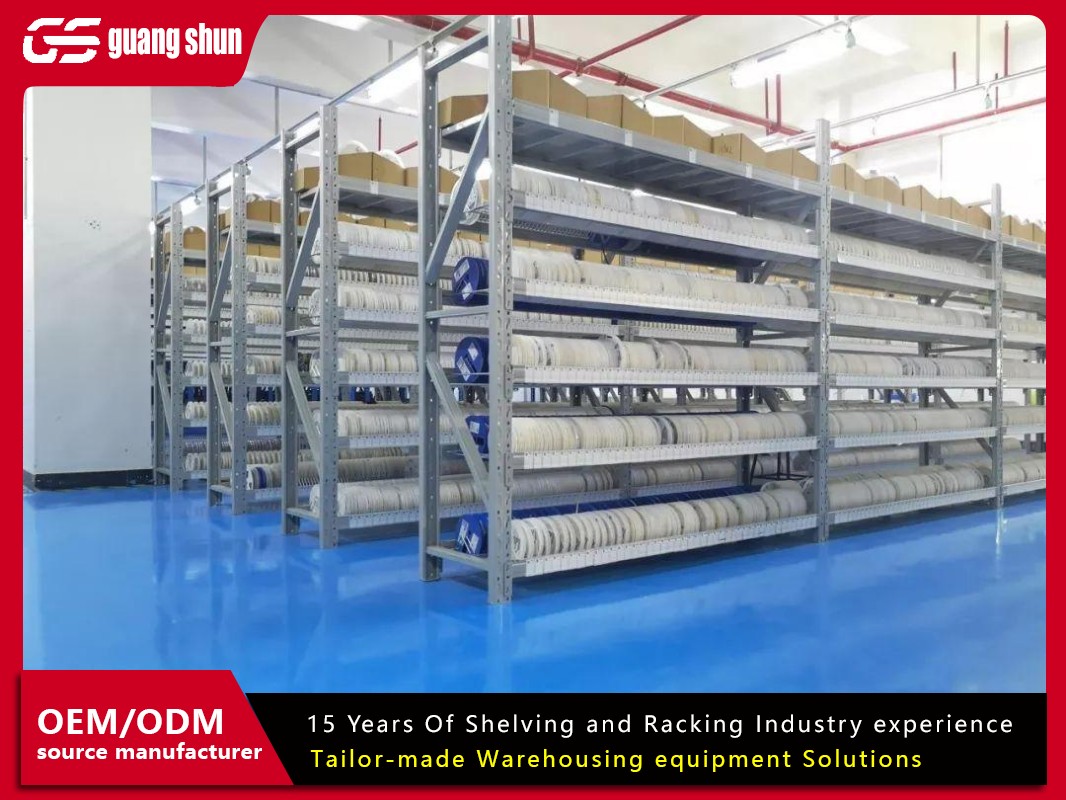
This is the most versatile and common type of heavy duty storage shelving. It consists of upright frames and beams that bolt together. The shelves, made of particle board, steel plate, or wire mesh, rest on the beams.
The key advantage is adjustability. You can move the beams to change shelf heights as your needs evolve. This makes a bolt together shelf unit ideal for environments where stored items change size and shape frequently.
Welded Static Shelving
These units are welded into a single, rigid piece at the factory. They offer exceptional stability and strength, often with a clean, seamless appearance.
A welded heavy duty shelf unit is perfect for permanent installations with consistent, very heavy loads. They are common in manufacturing plants where vibration is a concern. The trade-off is a lack of adjustability once installed.
Closed-Back vs. Open-Back Units
This refers to the rear of the shelf unit. A closed-back design, often with a steel panel, provides full support across the entire shelf deck. It contains small items and adds significant rigidity.
Open-back units are lighter and allow for air circulation and visibility. They are often used in retail settings or for larger items. For maximum strength and versatility in an industrial shelf unit, closed-back, bolted designs are often the top choice.
Critical Specifications to Evaluate
Looking at product specs is crucial. Here’s what those numbers really mean for your heavy duty steel shelving.
Load Capacity per Shelf: This is the most important number. It tells you the maximum distributed weight each individual shelf can safely hold. True heavy duty units often start at 1,000 lbs per shelf and can go much higher. Never confuse this with the "total unit capacity."
Steel Gauge: This measures the thickness of the steel. The lower the number, the thicker the metal. A 12-gauge steel frame is significantly stronger than an 18-gauge one. For a heavy duty shelf unit, look for frames and beams in the range of 12 to 16 gauge.
Finish and Coating: The environment matters. A high-quality powder-coated or epoxy finish protects against rust, scratches, and chemicals. This is essential for a garage storage shelf exposed to humidity or a workshop shelf facing oils and grime.
Dimensions and Adjustability: Consider the unit's footprint (width x depth), overall height, and shelf spacing options. Ensure the heavy duty rack fits your space and allows you to customize shelf heights for your specific items.
Where Are These Shelving Units Typically Used?
A robust heavy duty shelf unit serves as the backbone of organization in many demanding settings.
Industrial Warehouses: They store bulk parts, maintenance supplies, and packaged goods awaiting distribution. Durability is key in these high-traffic areas.
Automotive and Repair Shops: From heavy toolboxes and machine parts to cans of oil and tires, a garage storage shelf needs to handle it all while resisting stains and impacts.
Retail Stockrooms: They hold overstock of heavy items like appliances, building materials, or large product boxes. Strength and accessibility are both important.
Manufacturing Facilities: Work-in-progress, raw materials, and heavy components need organized, secure storage right on the production floor.
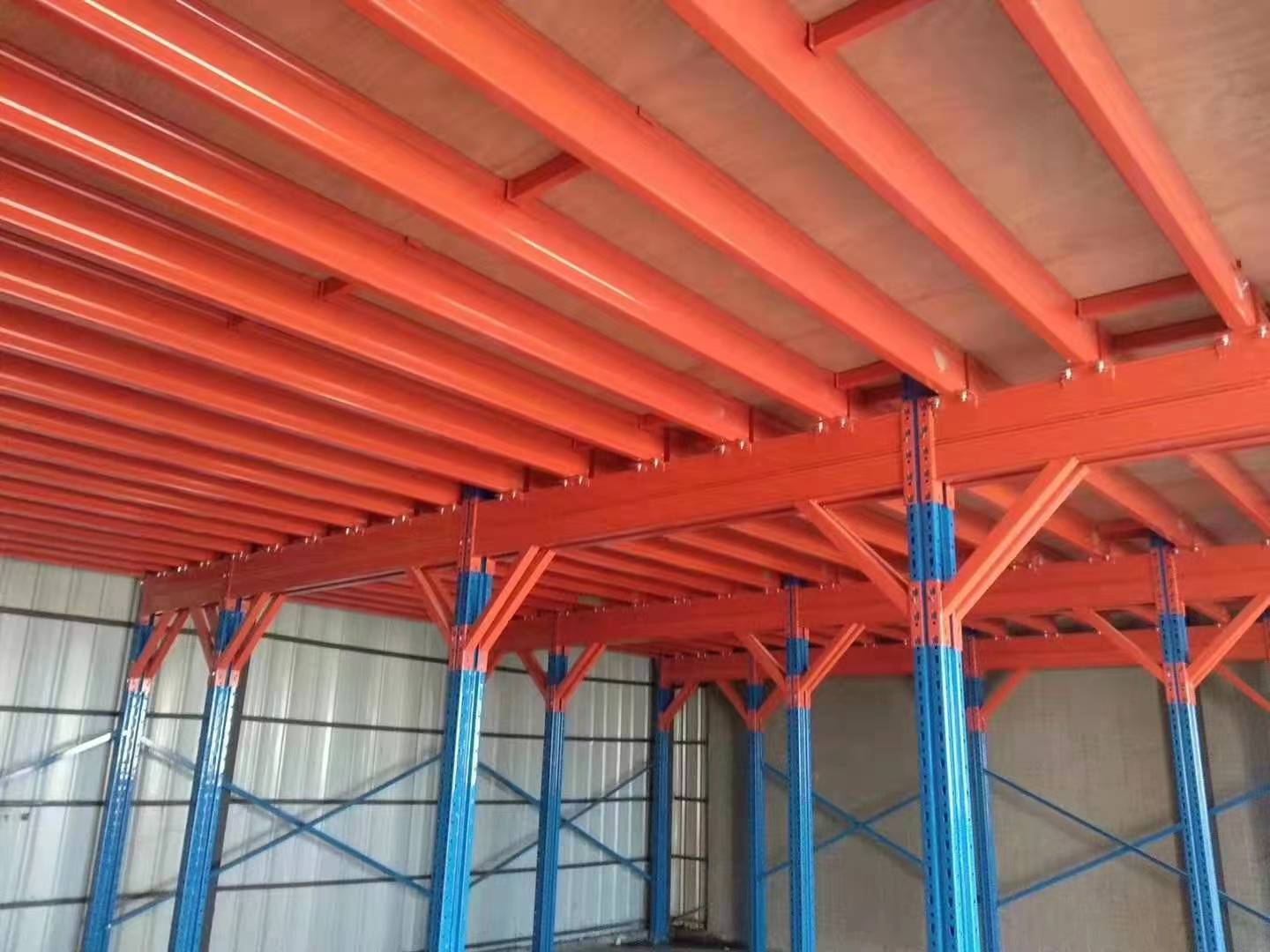
Installation and Long-Term Safety
A heavy duty shelf unit is only as strong as its installation. Proper setup is non-negotiable.
Secure Assembly: Follow the manufacturer's instructions exactly. For bolt together shelving, ensure all connections are tight. Use all provided hardware. For large systems, professional installation is recommended to guarantee plumb, level, and secure assembly.
Anchoring is Essential: Any tall industrial shelving unit must be anchored to the wall or floor. This prevents dangerous tipping, especially if loaded unevenly or in areas with vibration. It's a simple step that is critical for safety.
Respect the Load Limits: This cannot be overstated. Never exceed the rated capacity per shelf. Distribute weight evenly, and always place the heaviest items on the lowest shelves. This maintains a low center of gravity.
Regular Inspection: Make it a habit to check your heavy duty steel shelving. Look for loose bolts, bent beams, or sagging shelves. Address any damage immediately. A well-maintained unit will last for decades.
Cost Considerations and Value
The price of a heavy duty shelf unit reflects its construction and capabilities.
You are investing in the thickness of the steel, the quality of the finish, and the engineering behind the load ratings. A unit rated for 2,500 lbs per shelf will cost more than one rated for 800 lbs.
View this purchase as a long-term capital investment. A high-quality industrial shelving unit might have a higher upfront cost than a consumer-grade product. However, its longevity, safety, and reliability provide far greater value over time.
It prevents product loss from collapse, reduces replacement cycles, and most importantly, protects your staff and inventory. The right heavy duty rack pays for itself.
Frequently Asked Questions (FAQ)
Q1: How is "heavy duty" different from "commercial" or "industrial" shelving?
A1: The terms overlap. "Commercial" often refers to lighter retail-style shelving. "Heavy duty" specifically denotes high weight capacity and rugged build. "Industrial shelving" is a broad category that includes heavy duty units built for the toughest environments, like factories and warehouses.
Q2: Can I really assemble a large heavy duty shelf unit by myself?
A2: It is strongly discouraged. Even a bolt together shelf unit is heavy and bulky. Proper assembly requires at least two people to ensure frames are plumb, beams are level, and all bolts are torqued correctly. For safety and integrity, get help or hire a professional.
Q3: What type of shelf deck is strongest for a heavy duty unit?
A3: Solid steel plate is the strongest option for a heavy duty shelf unit, providing full, even support. Heavy-gauge wire mesh is also very strong and allows for air circulation and dust fall-through, making it excellent for dirty environments.
Q4: My floor is uneven. Can I still install this shelving safely?
A4: It is a major concern. Shelving must be installed on a level surface to ensure proper load distribution. On an uneven floor, the frame can twist, leading to failure. You must level the floor first or use specialized adjustable base plates designed to compensate for minor unevenness.
Q5: Are used heavy duty shelving units a good option to save money?
A5: They can be, but caution is vital. You must be able to verify the model's original load ratings and inspect every component for damage, rust, or bent frames. Ensure you have all necessary bolts and parts. For critical, high-weight applications, new heavy duty steel shelving with a full warranty is the safer choice.