When it comes to optimizing storage space and improving operational efficiency, investing in the right warehouse shelving and racking system is crucial. These systems form the backbone of any storage facility, distribution center, or manufacturing plant. The right setup can dramatically increase storage density, improve inventory accessibility, and enhance overall workflow. Conversely, a poor choice can lead to inefficiencies, safety hazards, and lost revenue.
This comprehensive guide will delve into the world of warehouse shelving and racking, exploring seven different types of systems, key factors for selection, maintenance tips, and answers to five of the most common questions and problems faced by warehouse managers. Whether you're setting up a new facility or looking to upgrade your existing storage solutions, this article will provide the insights you need to make an informed decision.
Understanding the Basics: What Are Warehouse Shelving and Racking?
Before we dive into the specifics, it's important to understand the fundamental difference between shelving and racking. While the terms are often used interchangeably, they refer to slightly different storage solutions.
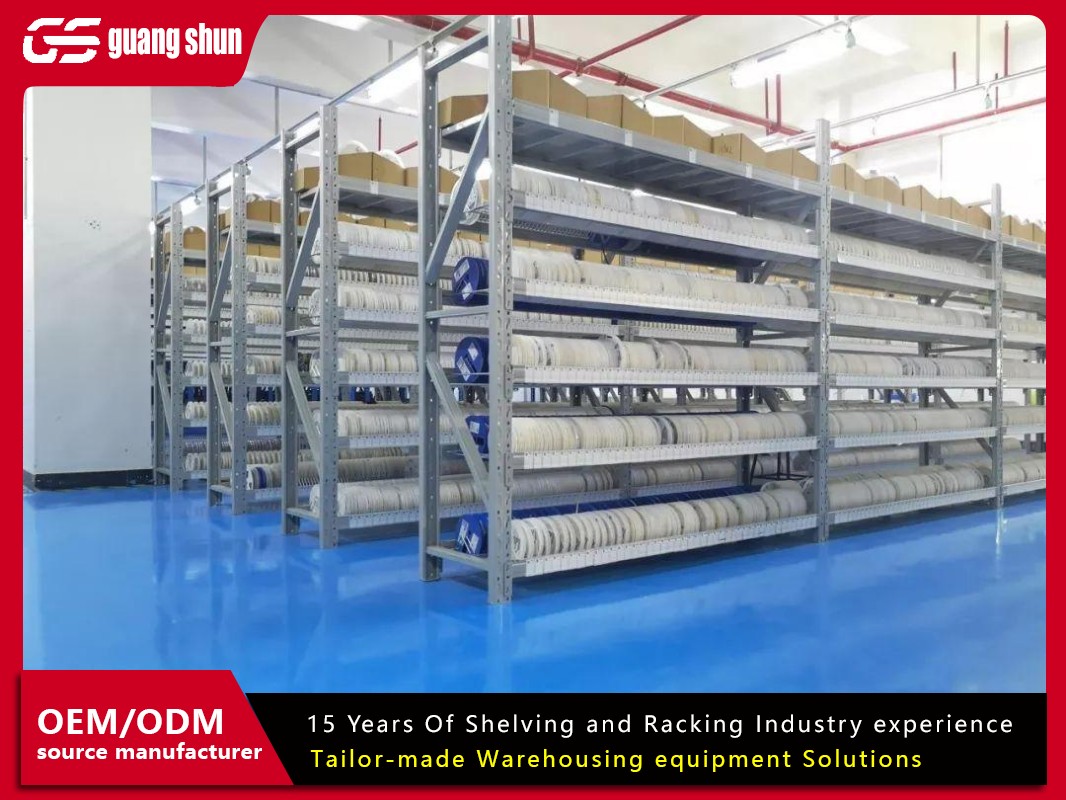
Warehouse shelving typically describes standalone units with solid shelves, often made from steel, wire mesh, or wood. They are ideal for storing smaller, lighter items that are often manually picked. Shelving units are versatile and can be adjusted to accommodate various bin sizes and cartons.
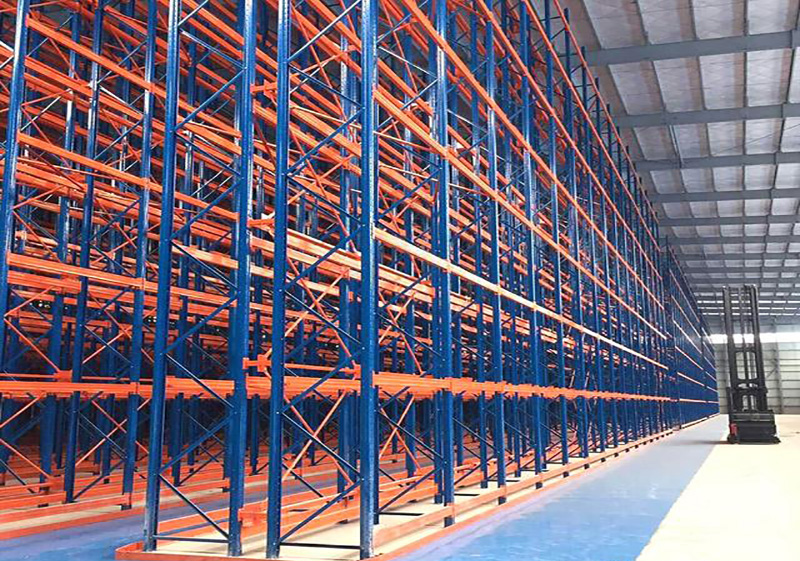
Warehouse racking, on the other hand, refers to larger, heavy-duty structures designed to store palletized goods. These systems are engineered to handle significant weight and are often integrated into the building's structure. They utilize vertical space efficiently and are accessed using material handling equipment like forklifts or order pickers.
The overarching goal of both warehouse shelving and racking is to organize inventory in a logical, secure, and accessible manner, maximizing the available cubic space of a facility.
7 Major Types of Warehouse Shelving and Racking Systems
Selecting the right system depends entirely on your inventory profile, operational needs, and available space. Here are seven of the most common types of warehouse shelving and racking systems.
1. Selective Pallet Racking
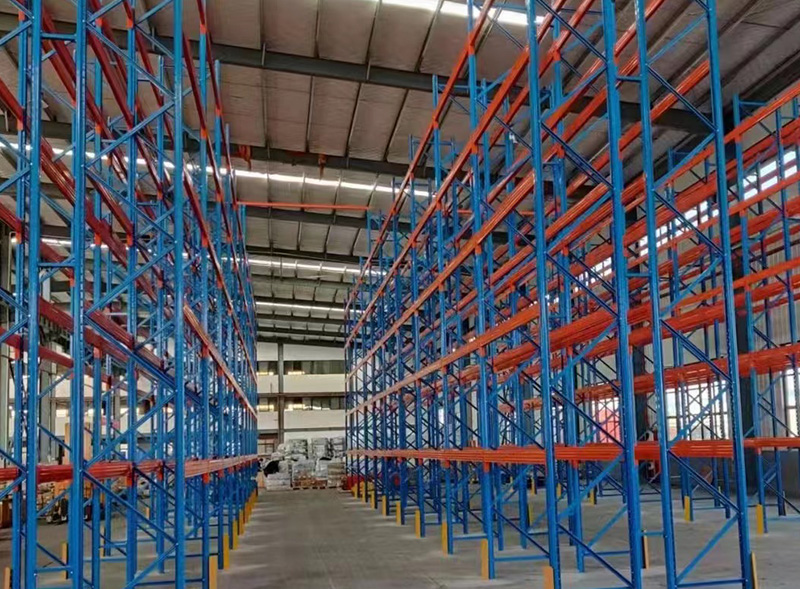
This is the most ubiquitous form of warehouse racking. It consists of upright frames and horizontal load beams, creating multiple levels of storage for pallets. Each pallet is individually accessible, hence the name "selective." It offers excellent flexibility and is perfect for warehouses with a high variety of SKUs where every pallet needs to be available at any time.
2. Drive-In/Drive-Through Racking
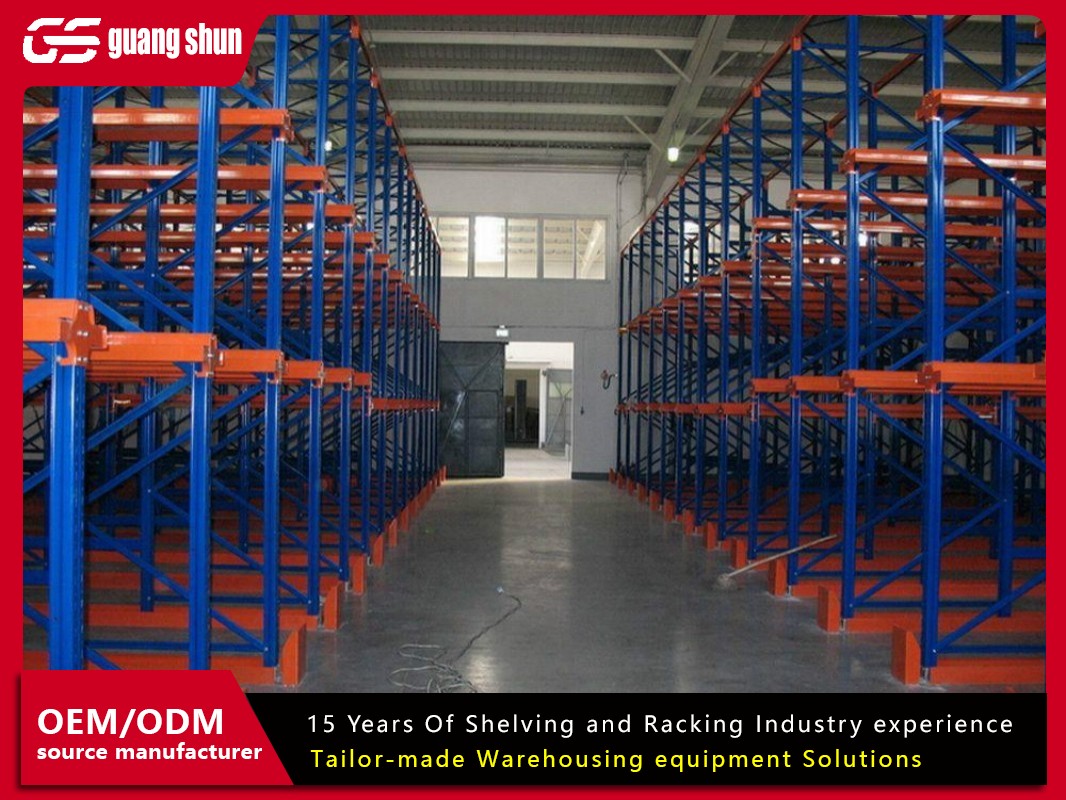
Designed for high-density storage, drive-in racking eliminates aisles by allowing forklifts to drive directly into the rack structure to store and retrieve pallets. It uses a last-in, first-out (LIFO) system, making it ideal for storing large quantities of similar products, such as seasonal items or beverages. Drive-through racking offers a first-in, first-out (FIFO) system by allowing access from both ends.
3. Push Back Racking
Push back racking is another high-density system that stores pallets on nested carts on inclined rails. When a new pallet is loaded, it pushes the previous pallets back. Retrieval works in reverse; removing a pallet allows the others to slide forward. This system, which typically operates on a LIFO basis, offers greater selectivity than drive-in systems while still providing good density.
4. Pallet Flow Racking
This dynamic system uses gravity to move pallets. It consists of a slightly inclined shelf with rollers or wheels. Pallets are loaded at the higher end and flow smoothly to the lower end for picking. It is a FIFO system, perfect for perishable goods or products with expiration dates. While offering excellent density and throughput, it requires a significant investment and precise planning.
5. Cantilever Racking
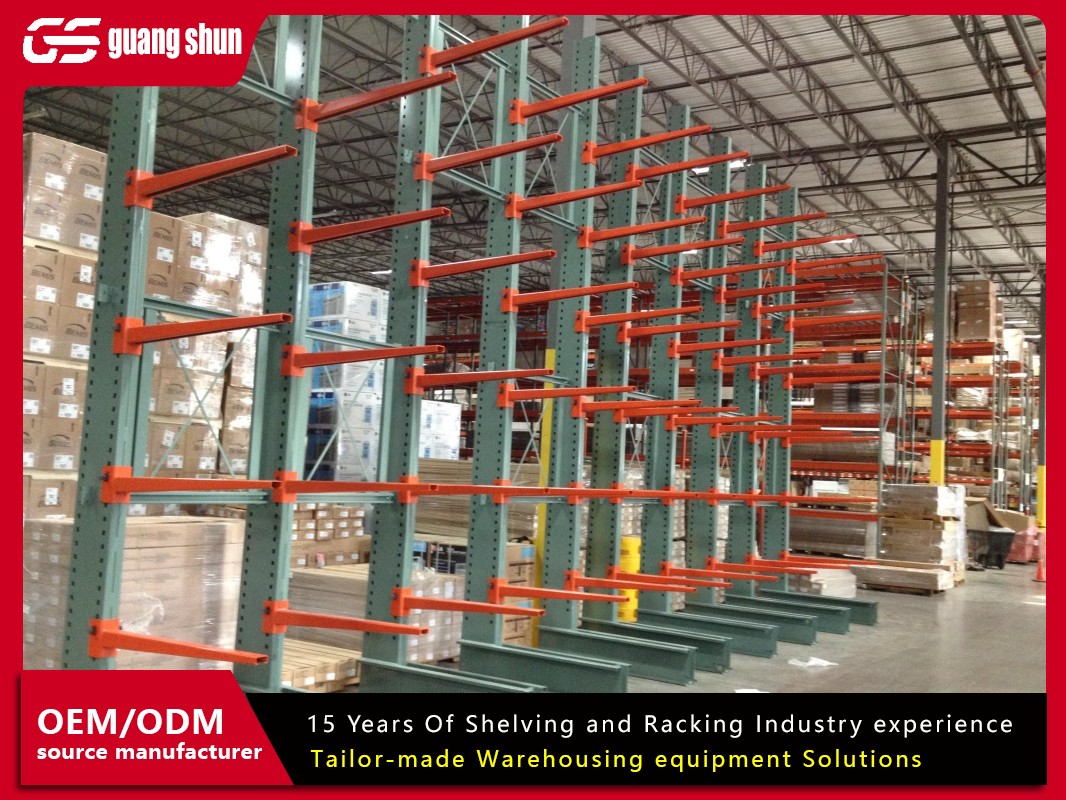
For storing long, bulky, or irregularly shaped items like lumber, piping, or furniture, cantilever racking is the ideal solution. It features upright columns with arms that extend outward, providing unobstructed access to stored items. There are no front-facing columns to get in the way, making loading and unloading with a forklift or crane much easier.
6. Mezzanine Flooring
While not racking in the traditional sense, mezzanines are a phenomenal way to add warehouse shelving and racking space without expanding the building's footprint. They create a second or third level within the existing vertical space, effectively doubling or tripling the storage area. They can be fitted with a variety of shelving or light-duty racking systems for small parts or inventory.
7. Mobile Shelving and Racking
For facilities with extreme space constraints, mobile systems are a game-changer. Standard shelving or racking units are mounted on mobile carriages that move on tracks. Aisles are created only where and when they are needed, by moving the units apart. This can increase storage capacity by up to 100% compared to traditional static shelving, as it eliminates multiple fixed aisles.
5 Key Factors to Consider When Choosing Your System
Choosing the right warehouse shelving and racking is a strategic decision. Here are five critical factors to evaluate:
Inventory Characteristics: What are the dimensions, weight, and shape of your products? Do you have perishable goods? The answers will dictate the required load capacity and the type of system (e.g., cantilever for long items, flow rack for FIFO).
Space Utilization: Measure your available space, including ceiling height. The goal is to maximize cube utilization. High-bay warehouses can benefit from very narrow aisle (VNA) racking, while low-ceiling facilities might focus on mezzanines or mobile systems.
Budget: Costs vary widely. Selective pallet racking is relatively affordable, while automated systems require a substantial investment. Consider both the initial purchase price and the long-term ROI through improved efficiency and space savings.
Throughput and Accessibility: How quickly do you need to move goods? A high-turnover operation needs a system with excellent accessibility, like selective racking. For deep storage of slow-moving items, a high-density system like drive-in may be more appropriate.
Future Growth and Flexibility: Your business will change. Choose a warehouse shelving and racking system that can be reconfigured, expanded, or adapted to meet future needs. Modular systems offer the greatest flexibility.
Installation and Maintenance Best Practices
Proper installation and maintenance are non-negotiable for safety and longevity.
Professional Installation: Always use certified installers. Improperly assembled racking can collapse under load, causing injury, death, and massive product loss.
Regular Inspections: Implement a routine inspection schedule. Look for signs of damage, especially on upright frames and beam connectors. Dents, bends, and rust can compromise structural integrity.
Immediate Repairs: Never ignore damage. Isolate the affected area and repair or replace damaged components immediately. Most manufacturers offer replacement parts for this purpose.
Employee Training: Ensure all staff who operate equipment around warehouse shelving and racking are trained on proper procedures to avoid collisions and overloading.
Load Capacity Signs: Clearly label the maximum load capacity for every racking bay and shelving unit to prevent dangerous overloading.
5 Common Problems and FAQs with Warehouse Shelving and Racking
Even with the best systems, issues can arise. Here are five common problems and their solutions.
1. How Do We Prevent Overloading?
Problem: Overloading is a frequent and extremely dangerous issue. It can lead to catastrophic racking collapse.
Solution: The primary solution is education and clear communication. Every single beam level must have a visible load sign stating its maximum weight capacity. Warehouse managers must enforce these limits strictly and train staff on the risks of overloading. Utilizing a warehouse management system (WMS) can also help by tracking the weight of inventory placed in each location.
2. What is the Best Way to Deal with Damage from Forklifts?
Problem: Forklift collisions are the leading cause of damage to warehouse shelving and racking. Even a small dent can significantly reduce the load-bearing capacity of a structural component.
Solution: Implement comprehensive forklift operator training and enforce strict speed limits. Physical protection is also highly effective. Install column guards, rack protectors, and guard rails around critical areas like corners and ends of aisles. Most importantly, establish a protocol for immediately reporting and repairing any damage.
3. How Can We Improve Safety in High-Traffic Areas?
Problem: Aisles can become congested and dangerous, increasing the risk of accidents between personnel and equipment.
Solution: Improve warehouse layout design to separate pedestrian and forklift traffic where possible. Use clear signage, floor markings, and mirrors at blind corners. Ensure all aisles are well-lit and kept clear of obstructions. For facilities with very narrow aisles, consider implementing guided path systems for forklifts.
4. We’re Running Out of Space. Should We Expand or Reconfigure?
Problem: Running out of storage space is a common growth pain. Expanding a building is expensive and time-consuming.
Solution: Before considering expansion, analyze your current use of space. Often, the solution lies in reconfiguring or upgrading your existing warehouse shelving and racking. Could you switch to a higher-density system? Would a mezzanine floor create the extra space you need? Is your vertical space fully utilized? A professional storage audit can often identify significant opportunities for optimization without physical expansion.
5. How Often Should We Perform Safety Inspections?
Problem: Without a formal inspection schedule, damage can go unnoticed until it's too late.
Solution: The industry best practice is a multi-tiered approach:
Operator Checks: Forklift operators should visually inspect areas they work in daily.
Weekly/Monthly Checks: Designated safety personnel should perform a formal walk-through of the storage areas on a regular schedule (e.g., weekly or monthly).
Annual Professional Inspection: At least once a year, a qualified engineer or a certified inspector from the racking manufacturer should conduct a thorough structural inspection and provide a formal report.
Choosing and maintaining the right warehouse shelving and racking is a critical investment in your operation's efficiency, safety, and scalability. From the versatile selective rack to the space-saving mobile system, there is a solution for every need. By thoroughly understanding your inventory and workflow, adhering to strict safety protocols, and proactively addressing common problems, you can create a storage environment that not only protects your assets but also empowers your business to grow. Start by auditing your current setup and planning for a smarter, safer warehouse tomorrow.