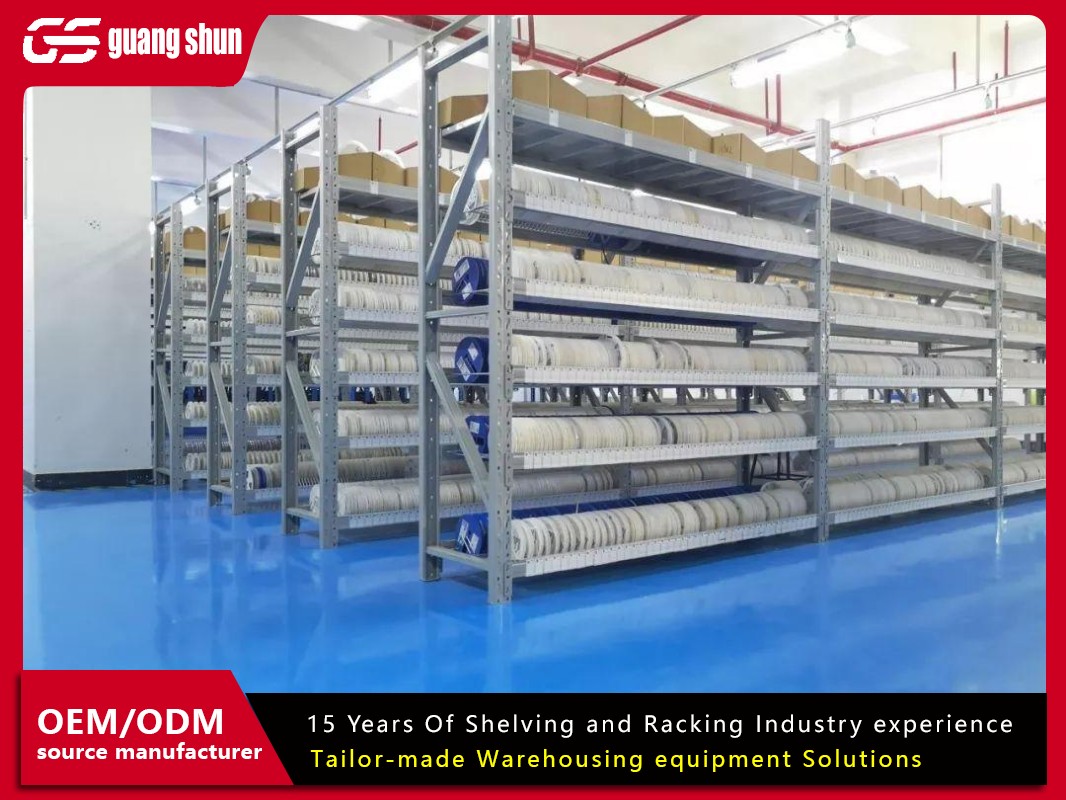
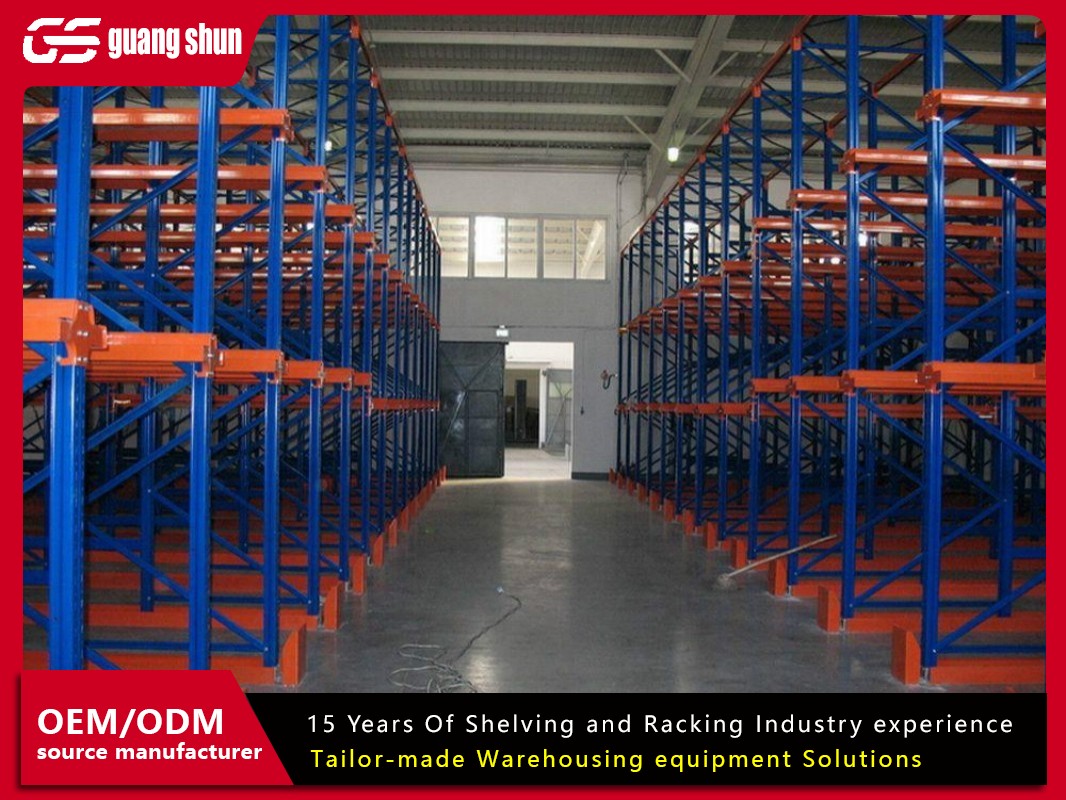
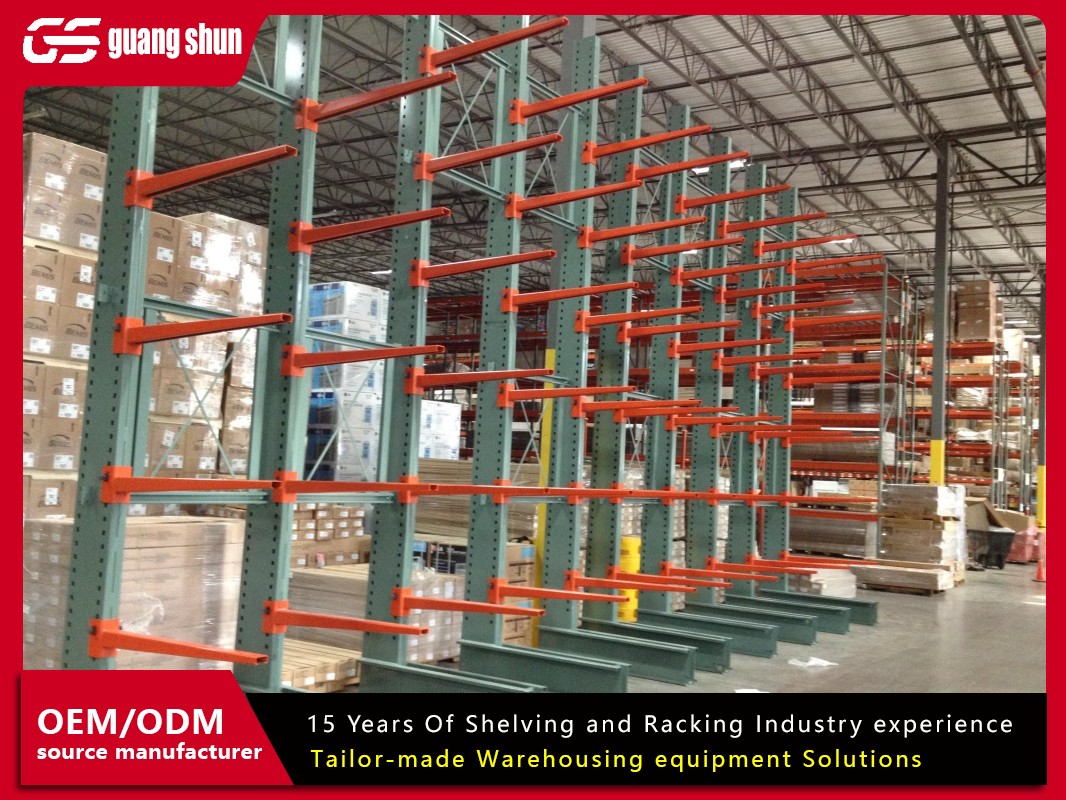
Efficient storage requires a balance of space, accessibility, and strength. A 5 shelf heavy duty shelving unit provides exactly that, offering five tiers of robust storage capacity. This type of shelving is built to handle substantial weight while organizing items vertically. This guide will cover its key features, ideal uses, and how to select the best model.
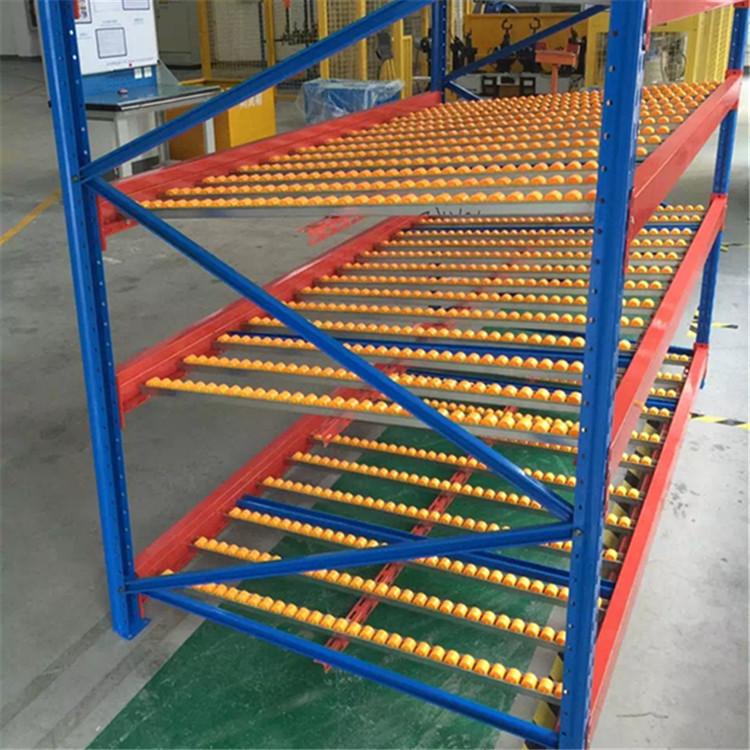
Understanding 5 Shelf Heavy Duty Shelving
5 shelf heavy duty shelving refers to a freestanding storage system with five distinct load-bearing levels. Unlike light-duty shelving, it is constructed from industrial-grade materials designed for long-term durability under significant stress.
The design typically features vertical uprights and horizontal beams that support the shelves. Shelves can be made of solid steel, wire mesh, or reinforced particle board. The five-shelf configuration offers an excellent balance between storage volume and accessible height.
Configuration: Five adjustable shelves supported by a four-post steel frame.
Typical Capacity: Total unit capacity often ranges from 2,000 to 5,000 lbs or more.
Primary Use: Storing heavy, bulky items in warehouses, garages, and workshops.
Key Components and Build Quality
The reliability of a 5 shelf heavy duty shelving unit depends on its components. Understanding these parts helps assess quality and suitability.
Upright frames are the vertical corner posts. They are usually made from thick-gauge steel. The gauge number is important; a lower number indicates thicker, stronger metal.
Beams: Horizontal supports that lock into the uprights and hold the shelves.
Shelves: The actual decking surface, which can be wire grid, solid steel, or laminate.
Stabilizers: Cross-braces or rear braces that prevent sway and increase stability.
Footplates: Bases at the bottom of uprights that improve weight distribution.
A high-quality finish, like powder coating, protects against rust, scratches, and chemicals. This extends the shelving's life in demanding environments.
Primary Advantages and Benefits
Investing in a 5 shelf heavy duty shelving system brings several clear advantages to both commercial and residential settings.
The most obvious benefit is exceptional weight capacity. These units can safely hold automotive parts, industrial tools, and pallets of inventory. This strength prevents the need for multiple flimsy units.
Vertical space utilization is another major benefit. By storing upwards, you free up valuable floor space for other activities or equipment.
Durability: Built to withstand years of heavy use without sagging or failing.
Organization: Creates a clear, tiered system for categorizing and locating items.
Safety: Properly assembled heavy-duty shelving minimizes tipping hazards.
Flexibility: Adjustable shelves adapt to items of different heights.
Cost-Effectiveness: A single, long-lasting unit often proves cheaper than replacing lighter shelves repeatedly.
Common Applications and Use Cases
The versatility of 5 shelf heavy duty shelving makes it suitable for a wide array of environments. Here are some of the most common places you will find it.
Industrial Warehouses and Factories
In these settings, shelving stores raw materials, spare parts, and finished goods. The open design allows for quick visual inventory checks. They are often used for medium-weight bulk items not requiring pallet racking.
Garages and Home Workshops
For homeowners and DIY enthusiasts, this shelving is perfect for tools, paint, gardening supplies, and sports equipment. It transforms cluttered spaces into organized areas. The heavy-duty nature means it can hold engines, lumber, or multiple toolboxes.
Example Use: Storing car tires, power tools, and containers of motor oil.
Benefit: Keeps hazardous chemicals and sharp tools securely off the ground.
Retail and Commercial Stockrooms
Retail stores use these shelves for backstock, holiday merchandise, and supplies. The five shelves offer ample space for boxes of varying sizes. Mobility options (casters) allow for easy reconfiguration of stockroom layouts.
Archives and Storage Facilities
For storing records, files, or equipment in a dedicated storage unit, this shelving provides a cost-effective solution. Solid shelves are ideal for boxes and bins containing documents or delicate items.
How to Choose the Right Unit for Your Needs
Selecting the best 5 shelf heavy duty shelving requires careful consideration of a few critical factors. Making the right choice ensures safety and satisfaction.
Assess Your Load Requirements
Calculate the approximate weight you plan to store on each shelf and in total. Always choose a unit with a rated capacity exceeding your maximum expected load. Look for both per-shelf and overall unit capacity ratings.
Consider Shelf Type and Adjustability
Decide between wire grid and solid shelves. Wire shelves allow light and air to pass through and are easy to clean. Solid shelves (steel or plywood) are better for small items and provide a uniform surface.
Ensure the shelves are easily adjustable without special tools. This allows you to customize spacing for tall or short items as your needs change.
Evaluate Dimensions and Space Planning
Measure the floor space and ceiling height where the unit will be placed. Standard units are often 48" wide and 72" to 84" tall. Ensure there is enough clearance to access the top shelf safely.
Pro Tip: Leave aisle space for comfortable access, especially if storing long items.
Planning: Sketch a layout to ensure the unit fits without obstructing doors or walkways.
Check for Safety and Stability Features
A good 5 shelf heavy duty shelving unit will have built-in stability features. Look for rear cross-braces and bolted connections. Some models include optional wall-anchoring kits, which are highly recommended for earthquake safety and general stability.
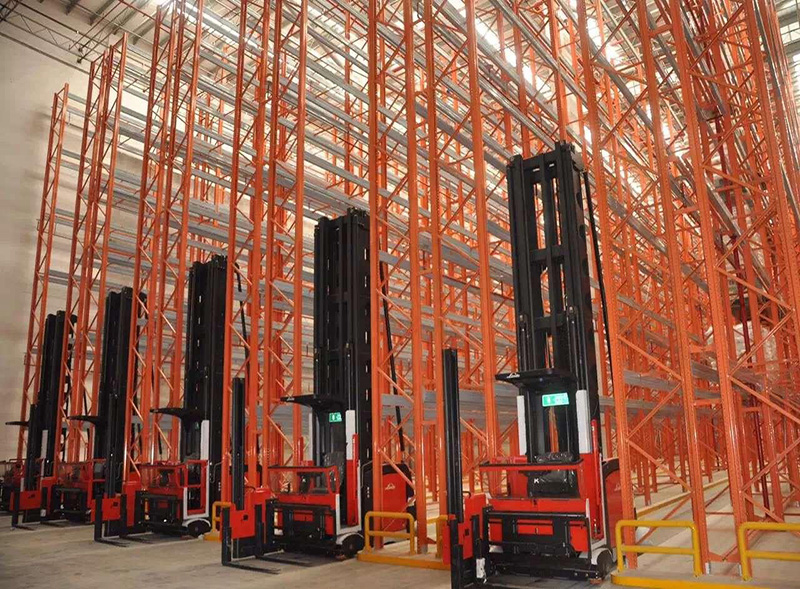
Assembly, Installation, and Safety Tips
Correct assembly is non-negotiable for the safe operation of your shelving. Follow the manufacturer's instructions precisely and never take shortcuts.
Begin by assembling the unit on a flat, level surface. Enlist a helper to hold the frame upright during assembly. Tighten all bolts or connectors firmly as you go.
Step 1: Construct the two end frames by attaching beams to uprights.
Step 2: Connect the end frames with additional beams and stabilizers to form the full frame.
Step 3: Install the shelf decks onto the beam supports.
Step 4: Use a level to check for plumb, and anchor the unit to a wall stud if possible.
Once assembled, load the heaviest items on the lower shelves first. This keeps the center of gravity low and prevents tipping. Never exceed the posted weight limits.
Maintenance and Long-Term Care
With minimal care, your 5 shelf heavy duty shelving can last for decades. Routine maintenance involves simple checks and cleaning.
Inspect the unit periodically for any signs of damage or stress. Look for bent beams, loose bolts, or rust spots. Tighten any fasteners that may have worked loose over time.
Clean the shelves with a damp cloth to remove dust and spills. For wire shelves, a quick vacuum can remove debris from the grid. Avoid using harsh abrasive cleaners that can damage the finish.
Annual Check: Perform a thorough inspection once a year, checking all connections and the integrity of the shelves.
Rust Prevention: Touch up any chips in the powder coating with matching paint to prevent corrosion.
Load Audit: Occasionally reassess how weight is distributed to ensure it remains even and within limits.
For anyone needing reliable, high-capacity storage, 5 shelf heavy duty shelving presents an outstanding solution. Its robust construction, organizational efficiency, and versatile applications make it a worthwhile investment for garages, workshops, and commercial spaces alike. By carefully selecting the right unit, assembling it correctly, and following basic maintenance, you create a safe and durable storage system that will serve you well for years to come.
When evaluating options, prioritize quality construction and clear weight ratings to ensure your storage is both secure and effective. A well-chosen shelving unit not only organizes your space but also protects your valuable equipment and inventory.
Frequently Asked Questions (FAQ)
Q1: What is the typical weight capacity for a 5 shelf heavy duty shelving unit?
A1: Capacity varies by model, but a typical commercial-grade
5 shelf heavy duty shelving unit can hold a total distributed load of 2,000 to 4,000 pounds. Always check the manufacturer's specifications for per-shelf and total capacity.
Q2: Can I assemble this shelving by myself?
A2: While possible, it is strongly recommended to have at least one helper. Some steps, like raising the frame, require an extra pair of hands for safety and stability. Always follow the assembly manual.
Q3: What's the difference between wire and solid shelves?
A3: Wire shelves promote air circulation and visibility, making them good for dry goods and allowing dust to fall through. Solid shelves provide full support for small items and are easier to wipe clean, making them suitable for workshops or areas with liquids.
Q4: How do I prevent the shelving from tipping over?
A4: Always place the heaviest loads on the bottom shelves. For added security, anchor the top of the unit to a wall stud using the provided hardware or a separate anchoring kit. This is crucial for safety.
Q5: Are the shelves truly adjustable?
A5: Yes, in most quality units, shelves are adjustable in one-inch increments along the uprights. They are typically secured with clips, pins, or bolts, allowing you to customize the spacing as needed.
Q6: Is this type of shelving suitable for outdoor use, like in a covered carport?
A6: Standard powder-coated units are for indoor use. For damp or outdoor environments, you need shelving specifically made with galvanized steel or a similar rust-proof finish to prevent corrosion.